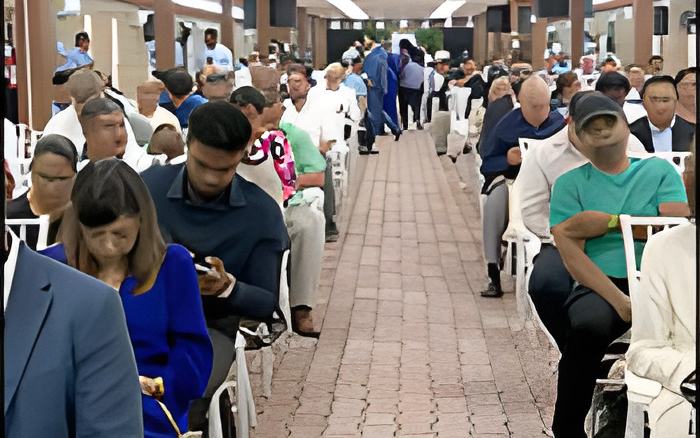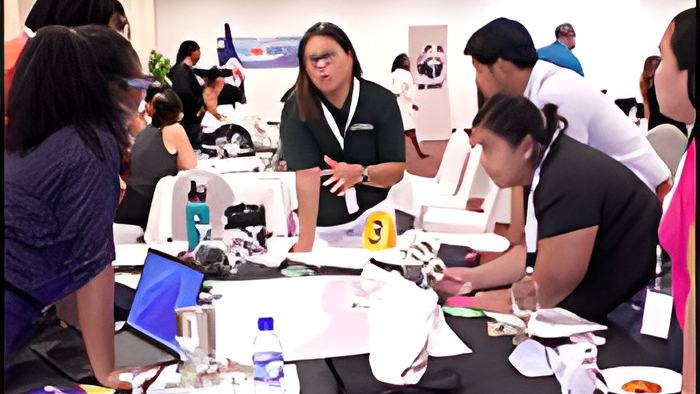
And while the reef needs all the help it can get, so does the coastline. A 5 year project called Coastline and People is currently underway, spearheaded by the University of South Florida, along with NGOs like World Wildlife Fund and Fragments of Hope. The project looks at using nature based solutions to climate risk and other threats to the coastline. Today, representatives from each entity told us more.
Nadia Bood, WWF Belize
"Climate change is very dynamic, we will continue to see impact, so we need to take account, not only the current impacts we're seeing but predicted impacts and so the university's role is to ensure they do the necessary science and modeling to inform us on how we can proceed going forward, whether it's certain local strategies or actions that can be mainstreamed into both national policies and strategies going forward. The universities are targeting on different research areas whether it's modeling on of ecosystem services and how climate will impact that, whether it's modeling of how best we can restore or protect strategic sectors of the coastline give the risk that Belize faces."
"This project is a 5 year project and we just wrapped up the first year and the first year was a lot of data gathering and then meeting with some strategic partners and then we've start this week with actual engagement of communities."
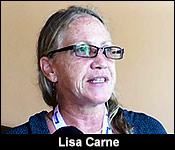
Lisa Carne, Executive Director, Fragments of Hope
"What I'm hoping to get out of this project, is a whole lot of real accurate data, not just models, because everybody has these models that they do behind their desk but use our work and the real data that we have to make their models better. As you know, any model is only as good as the real data you put into it so that's what we're really hoping, remember we have four more years of this project until we get some answers and guidance to how we can improve our restoration to better generate shoreline protection."
Dr Maya Trotz, Prof. of Civil & Environmental Engineering, USF
"I'm from Guyana and my father moved here in 2005 to help start the 5C's, I came to visit him that year in Belmopan, I was early 20's, I never came back until 2014, o what a big mistake right. And when I came in 2014, it was with other colleagues on another grant where we were looking to train students in anthropology, engineering and marine sciences to work on waste water issues."
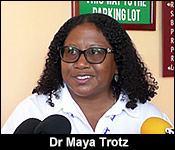
"The kind of education, training, engagement, friendship building is sort of what grounded me in Placencia, not just me but members of my team."
"Its sort of a, I keep mentioned Fragments of Hope and the inspiration from that, and just seeing all these other researchers from around the world, who come and work with them and do research with them and really trying to think about how to do it in a way that is sort of even more wholistic but that others can benefit from."
"And so just always thinking of how to build on the things that they also know are important and bring others to the table on that."