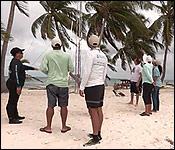

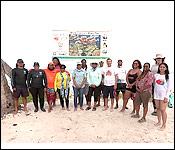
Described as a snorkeling and diving paradise, that sits only 11 miles off the coast of Placencia, Laughing Bird Caye, is more than a visitor's destination, it's a National Park, and it's one of the 29 initiatives to receive funding from the Belize Fund for a Sustainable Future. As we told you last week, the focus there is to improve enforcement and marine conservation, with help from its co-manager SEA. Tonight, Jomarie Lanza has her full story on the conservation work being done at the caye:
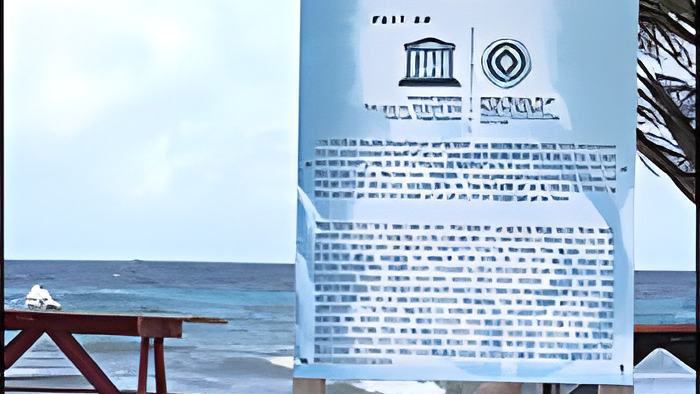
Rich in biodiversity, Laughing Bird Caye is recognized as a World Heritage Site and remains as a protected conservation area, under the management of the Southern Environmental Association, and other partners conducting research and monitoring marine species within the zone.
It also falls within the radius of other tourist attractions like Silk Caye, and Gladden Spit:
Elizabeth Muschamp, Executive Director, SEA
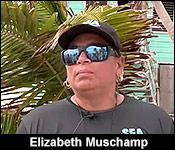
"Gladden Spit is renowned for it being a spawning aggregation site so the spawning aggregation we do, monitor for groupers as well as the snappers and the spawning is known historically for where the whale sharks would come, and so tourists would come every year at the chance of seeing a whale shark this year we were fortunate to be able to see one, previously at one point in time there was up to 42 sightings for a season. Now the reason why they are no longer there, I think Mar Alliance is looking into investigating as a probable cause. SEA has over 20 years worth of spawning aggregation data that we are currently in the process of analysing as well and that can give us an idea of what can be the potential factors maybe the spawning aggregation site has moved, maybe it is because of overfishing and it can also be that maybe some tour guides will say it could be because of behaviour, that we have too many people within the site, too much activity going on and the sharks just don't want to come, we have seen them they are deeper they tend to be out more. Spawning is occurring and a bit further out so there may be a lot of factors but gladden split is known for spawning the traditional fishers go there from March to June, for the snapper that is the snapper season so it's protected for that."
"And of course it is a very good diving site so the tour operators as well they enjoy that."
But lately one of their biggest attractions in the reserve - whale sharks are visiting the area less and less. So their partners over at Mar Alliance stepped in to find out why.
Kirah Foreman Castillo, National Coordinator, MarAlliance

"So Mar Alliance is a local Belize NGO and what is unique about us is that we don't co manage a protected area but we are working in all the different protected areas within the country we work in multiple sites and one of the areas we work in is right here in the south along with SEA within the Gladden Spit and Silk Cayes Marine Reserve, and what we are doing is that we are looking at what we call Megafauna. Mega Fauna is what everyone knows as those big iconic species like your sharks, your turtles, your rays. One of the things Southern Belize is known for is Whale sharks and within recent years we are just not seeing those numbers and as a matter of fact we are just not seeing them any at all. I think this year somebody saw one whale shark which is almost to nothing and so The Belize Fund project, through that project we are trying to figure out what is going on with our whale sharks, where have they gone? Will they come back? What's going on with the other species of sharks, rays turtles the rest of the Mega Fauna within the area and how can we then predict the movement pattern for these animals so that tour operators and tour guides when they are doing their tours, they can say if you come here to Gladden you'll see this if you come here you'll see that and we are also looking at changes in numbers abundance for, historically Mar Alliance has been collecting data in this site for many years then the management started taking over for the spawning aggregation you guys hear SEA talk about the spawning aggregation site but with some changes in management within the organisation, they have been not so consistent up until recent thanks to the Belize SEA getting support from The Belize Fund, we getting support as well we have been consistent for the past 2 years we have been collaborating with each other to ensure we have consistent monitoring."
But aside from the Megafauna, they have also encountered some issues involving the deterioration of the corals around the Caye. Fragments of Hope have slowed down on out-planting in the area. There is too much coral bleaching happening as a result of climate change, and this is now affecting their ability to regrow some of the corals.
Natasha Gibson, Fragments of Hope

"With all the coral bleaching happening it doesn't give you a clear path to do out-planting because it interrupts the work we do as per se we outplant. We try to focus more on the bleaching because it is kind of more than we have been seeing and it is like hopeless to even try and plant any corals so that is why we try to stay focused on trying to just collect data and the changes that happen and occur since the past three or four years."
"Like I mentioned there is 29 sites I mean I don't think we can handle more than 29 sites but there are specific ones we monitor and try to work around especially at laughing bird Caye here because we have seen tremendous, we have seen good coming of laughing bird Caye honestly, especially with the percentage we had brought back this area to so that was the reason we kept on coming here and doing our work here we do spawning here we do out plants here we do a lot of monitoring here we have one of the oldest nursery sites here a lot is being done here specifically because it is a monitored area not only by us but by the rangers of southern environmental association."
"We help them and they help we, they help we monitor and we help them make the place look better it is tourist attract right it's a national park."
Belize Fund for a Sustainable Future has provided grant funding and support to continue to manage Laughing Bird Caye as a protected area. Their most recent investment includes a camera which overlooks the Caye and its surrounding space in an attempt to prevent illegal fishing in the zone. The protected area encompasses 10,119 acres under the protection of 6 park rangers.
Tomorrow we'll take you to Sapodilla Caye to see what TIDE is doing there with fish spawning aggregation sites.