
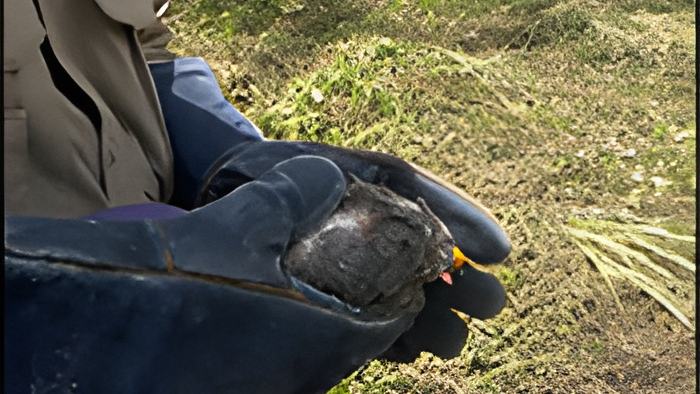
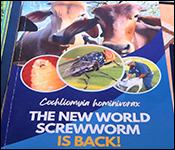
In December of 2024 Belize discovered its first Screwworm case in Cirque Sarco, Toledo District. And since then approximately scores of cases have been reported in other districts. And while the focus has been primarily on livestock, the fact is, the screwworm can infect any animal - wild and domesticated - from howler monkeys to man's best friend.
And now, there's increasing proof of the spread to wildlife, and one of those cases is being treated at the Belize Wildlife Referral Clinic in the Cayo district. They first observed the disease in 2 Howler Monkeys. We visited the clinic today to meet the team and discuss the seriousness of this issue. Jomarie Lanza reports.
Founded in late 2011, the Belize Wildlife Referral Clinic has been in operation treating well over 5000 patients since they opened. They support wildlife and animal conservation, no matter how big or small, but as of lately the clinic has taken in 3 injured monkeys, 2 of which were diagnosed with New World Screwworm, and one of them had to be put down recently. It's a growing concern for the animal conservation community, knowing that there may be other wildlife infected in the forests. And some cases can be more severe than others.
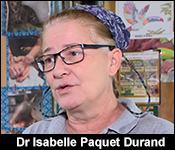
Dr Isabelle Paquet-Durand, Director, Belize Wildlife Referral Clinic
"Terrible and horrifying, and also very sad because we have so far seen only two confirmed cases and they were very very severe so it's very drastic and it cannot be shared in images and we continue to care for one of these two patients and we do have some hope at this point that he will survive and we are working to preserve his leg so that hopefully he has a chance to go back to the wild too."
"in most countries around us it is most prevalent in livestock so we really expected it to be that way here as well but there are many more cases in dogs purring I guess a lot of responsibility on pet owners to make sure to check your animals everyday to check for any wounds that are on there and treat any wounds everyday until they are here so that screw worms cannot settle in because for now it seems that the majority of cases are indeed in dogs and from those dogs the fly can multiply and spread to others."
At present the 2 howler monkeys receiving treatment at the clinic appear to be recovering slowly, and the care they receive is much different than the regimen of treatment in livestock and dogs.
Dr Isabelle Paquet-Durand, Director, Belize Wildlife Referral Clinic
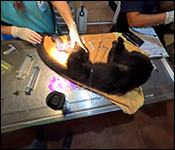
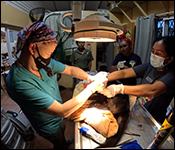
"So both of those cases by the time they were seen were extremely far progressed so hundreds to thousands of Larvae in the wounds and very large so we are treating one of these patients still every two days with surgery to clean up his wounds."
"It was very touch and go for the first week almost but by now we have some hope for survival for sure because the infection is still continuing but getting better and we were most excited and we shared it on our social media when Georgie started eating finally because in the first few days he completely refused to eat and we can't treat his infection if he refuses to eat and we can't make him and force him for a very long time so from that perspective it is looking a lot better and since these two monkeys can see each other now they seem to be a bit more comfortable maybe as much as they are still in the ICU."
"So if the animal is debilitated and lots of flies lay their eggs in them they are going to die, they are going to die from these infestations depending on where the wounds are because the fly just eats into the host. So what we can do about it is report any animals that you see, take pictures in some cases like for these monkeys we may be able to still treat them or we may have to relieve their suffering but that is still probably better than being eaten alive by worms. And being vigilant those are some tips."
And while Dr Isabelle and her team at the clinic continue to do their part, they rely heavily on the public's support to report these cases. They even have a program that is open to persons interested in learning more about animal health, and how they can do their part in safeguarding Belize's wildlife.
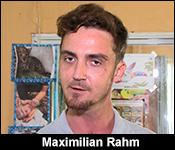
Maximilian Rahm, Wildlife Educator, Belize Wildlife Referral Clinic
"About 75% of our patients here at BWRC do come directly from contact with people. Whether this is intentional or not, we do get a lot of patients this way which led to the inauguration of our program. This program aims to tackle human wildlife conflict, illegal wildlife trafficking, health risks, risk to interconnectivity of the environmental, human and animal health and it is a completely free program, we offer training and mitigation of these different issues that face out wildlife here in Belize and it is a 2 day workshop, we offer 15 continuing education hours for this and I know that can be very useful for teachers, police officers and different groups across the country and yes it is something we want to get more people involved in to safeguard our wildlife better and better build capacity amongst our Belizeans to cherish our natural heritage and take care of it."