
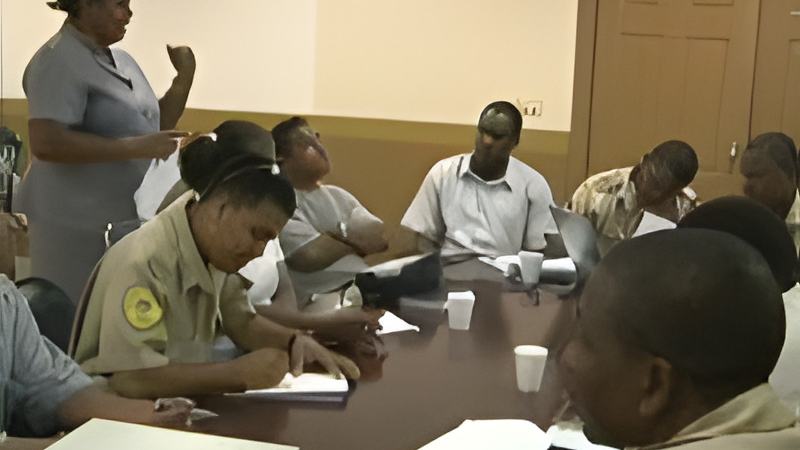
Yesterday we were invited to a session at the Raccoon Street Station where police officers were seeing a psychiatrist and mental health counselors. But it's not what it sounds like. They weren't being psychoanalyzed, instead the police officers were the ones doing the analysis. We found out why.
Jules VasquezReporting,
It's not everyday that you find a room of 20 police officers engaging in vigorous debate, serious questioning, earnest consultation, spirited arguments, and receiving eager instruction. But that's the atmosphere of inquiry that's been fostered at this course where mental health workers are trying to develop this: a protocol for police management of cases with mental disorders.
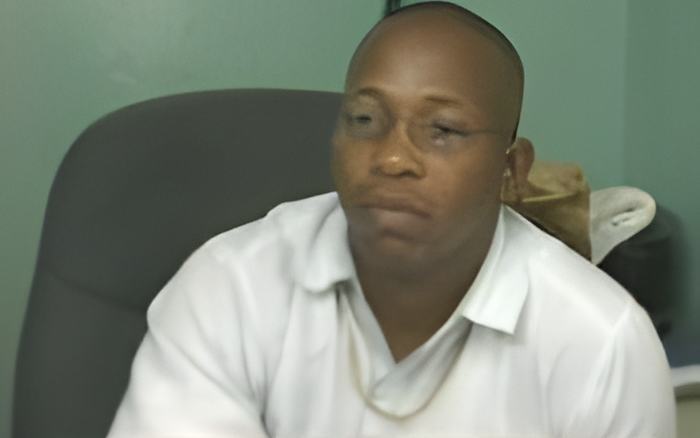
Dr. Claudina Cayetano, Psychiatrist
"I'm really impressed, every time we come for the training, the room is full of police officers and they constantly asking questions and we always complete late because they are always eager to learn and see what to do because they know it is a problem that they deal with almost on a daily basis."
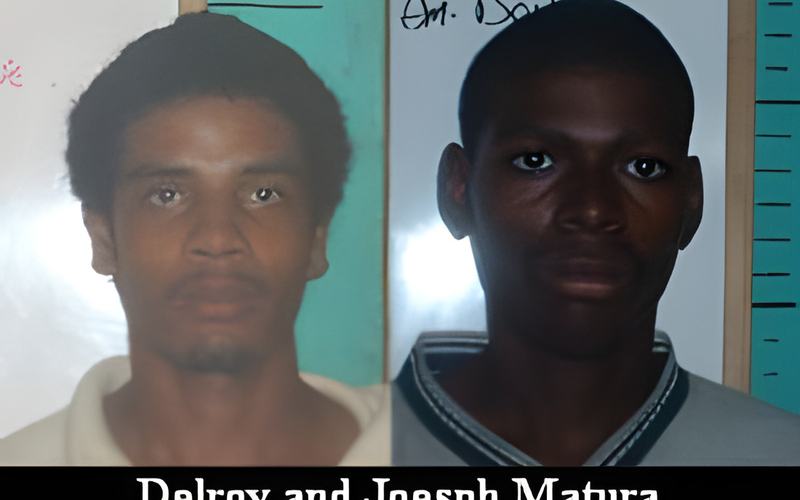
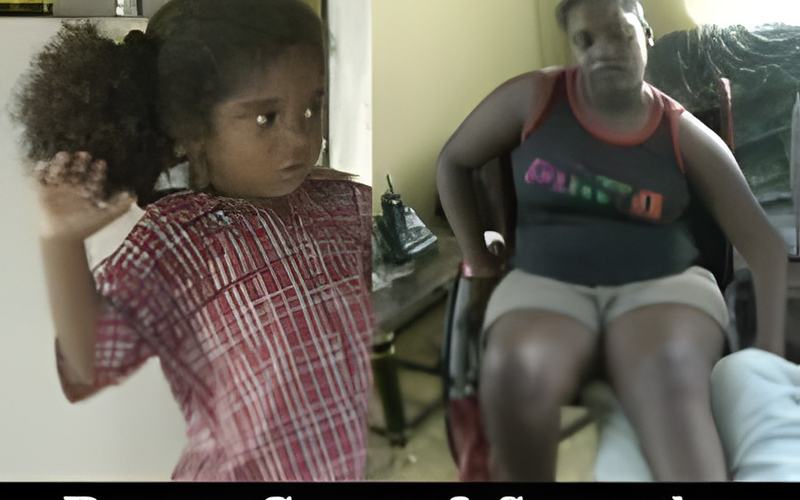
And maybe why these police officers are so engaged is because recently mental health issues have become citizen security issues. In fact one of their own, off duty constable Ever Moralez was stabbed repeatedly by this crazed man, 25-year-old Giovanni Tasher. Or when police constable Jesus Marroquin killed a mentally disturbed man, Egbert Gordon Jr. inside this Los Lagos home. Or when another mental patient Ryan Elston Horne allegedly killed these sisters in their home. Cayetano says these cases and so much more show that mental health is a national security issue.
Dr. Claudina Cayetano,
"So it becomes really and it emerges almost like a crisis for us to finally have a document that we can own to avoid this situation because it is a disaster for patients, for family members, for everybody involved if a patient has a mental illness and especially they become violent and the police won't know what to do and so disasters happen."
And now she hopes that these lively sessions, leading to the perfection of this policy will make a meaningful and long lasting difference.
Dr. Claudina Cayetano,
"What we develop a protocol that we can all use in all the districts in Belize, that will help us to be able to, for the mental care people to provide better service and for the police to also provide better service. So ultimately, patients who have mental problems and at some point come across to be managed by police, will be able to get a different service this time."
There will be continuing sessions with police officers as they move towards the finalization of the protocol.