
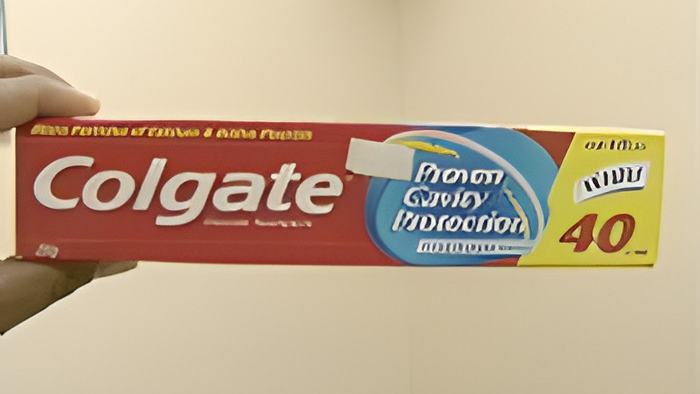
Colgate Palmolive is the world's biggest toothpaste maker, and in Belize, Colgate is the most widely bought toothpaste. But now toxic Colgate clones have caused an international health scare and Belize is right in the middle of it. It's imitation Colgate, knock-offs, not the real thing, but it looks real and on the shelves at most stores in Belize, it's really cheap. But buy beware, if the deal looks too good to be true; it could seriously harm you. We found out more about the toxic tubes and the threat they pose to your children.
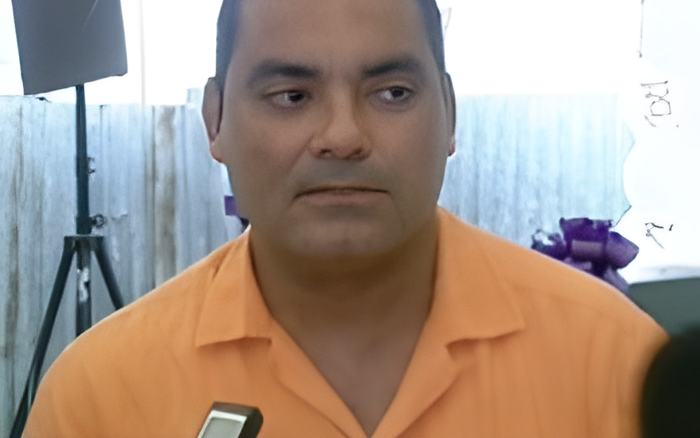
Dr. Ann Balderamos-Sinai, Dentist
"This is of great concern to us and we want to caution both consumers as well as the store owners."
And the caution is for tubes like this that say made in South Africa. Not only is it a fake, it's a dangerous one with a toxic chemical inside and the real danger is that at first bluish it looks like the real thing. In fact you probably can't even tell which of these is real and which is the copy. Well this one is real, the others are dangerous.
Dr. Ann Balderamos-Sinai,
"Well it looks completely original but it is labeled Colgate but it is not the original Colgate. The FDA has proven that it has the presence of this poisonous chemical, dietheylene glycol."
And if you don't know what that is, you don't need to. It's the same chemical that's used in antifreeze and if you smell or taste this - you'll see why.
Dr. Ann Balderamos-Sinai,
"Once you open the tube and you taste it, you will realize that there is something wrong with the toothpaste; definitely something wrong. It has a horrible horrible taste. Patients have called and complained. They were asking if the toothpaste can be spoilt or if it has an expiration date because it has a horrible horrible taste and smell."
And more than just that offensive taste and smell, it can be deadly, especially for children.
Dr. Ann Balderamos-Sinai,
"Adults, when you brush you normally rinse and then spit out the Colgate,
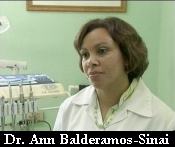
spit out the toothpaste. You do ingest a tiny amount however children most often swallow the toothpaste and this dietheylene glycol, it is like I said a poisonous chemical, its used in anti-freeze, it was used in cough medicines in the States which were recalled last year because they cause hundreds of deaths in the United States and around the world. This causes, it is a depressant of the central nervous system, it is very toxic to the kidney and the liver, and if ingested may cause intestinal pain, respiratory arrest, paralysis, and even death. So this is very scary."
So what should consumers do to avoid these dangerous tubes of fake Colgate? Alberto Young is the General Manager of Grace Kennedy Belize which is the exclusive local agent for the genuine Colgate product.
Alberto Young, Grace Kennedy Belize Limited
"The scare is product that is counterfeit product that came out of South Africa. There is a release on BBC that says that and it is not a Colgate product, it is some company manufacturing a toothpaste and naming it Colgate. It is an infringement of the Colgate name."
He keeps a collection of the fakes in his office, and compared them to the real thing for us.
Alberto Young,
"The Colgate-Palmolive is a registered company in New York and it is made in the USA, it says it here for instance on this Colgate Tartar Control
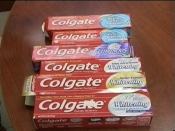
Whitening Toothpaste, made in the USA. So this will be something that will come from us and is a legitimate product from Colgate-Palmolive. Of course you could go into the US and buy a similar product."
Jules Vasquez,
Okay so now all these either say made in the USA or Mexico.
Alberto Young,
"This one is made in Mexico and this was one of the lines that we got from Mexico and we no longer import but this is still on the market but that is also a legitimate product; that is a Colgate Cavity Protection."
Jules Vasquez,
So if I'm buying I should look, because if I look at these boxes, on the face of it you don't see any difference if you're just in a store. Looking at it here, I can see there is a different texturing and so, but if I am in the store and I see something like this…
Alberto Young,
"We're asking consumers to look at the packaging, read the label and make sure it is coming from made in the USA or made in the Dominican Republic or made in Mexico."
Dr. Karl Meggs is the President of the Dental Society - and he says this public health scare has arisen because the importation of toothpaste is wholly un-regulated.
Dr. Karl Meggs, President - Dental Society
"There's no regulations of what you are bringing into the country and we don't have a department per se to at least evaluate or test what we are bringing in. Right now we know that this product is on the shelves of some certain stores. The closest might be Public Health to go and do something about it but then again where do you they stop. So we have no real department that we can go, another than maybe BAHA might be able to implement some kind of regulations."
Alberto Young,
"That is the first step to make sure that we start the discussion to start regulating these things, to make sure that you have to apply for a permit so that, for instance, Grace Kennedy, would have to apply for a permit or a license whatever to import these products and it is certified by BAHA like they do for all other food items that are consumed."
But those regulations are for the future: right now the toxic product is on shelves and in some homes. So what's the best advice.
Dr. Ann Balderamos-Sinai,
"What I would say is don't buy the 100 millimeter tube of Colgate. If you do make sure it does not say South Africa or China on it. If you have it at home, please throw it out but most importantly I would even say squeeze the tube out in the garbage instead of just throwing out the tube because you might have kids who might tamper with the garbage and actually get a hold of it and ingest it."
Alberto Young,
"For us at Grace Kennedy and Colgate, the concern is a very significant one because one is an infringement on the name and people will go to the shelf and look at Colgate and take it off the shelf. What we are asking consumers to do is read where it is manufactured in. You have to do that."
But many shoppers aren't looking at where a product is made, they are looking at how much it costs and the truth is that imitations are priced for as much as $1.50 less than the real thing but this dental professional is urging consumers to resist that temptation.
Dr. Ann Balderamos-Sinai,
"When it comes to products that you actually consume, including toothpaste, or ingest, please be careful and stick to the original brands. Don't gamble with the counterfeits, no matter how much a bargain they are. It isn't worth the health risks."
International advisories have also been issued about Colgate which says that it is made in China. Checking discount stores in the downtown area, the toxic tubes were not widely available. Checking at 5 stores, we only found it at one. This evening the owner of that store told us that he was not aware that he was carrying the product and removed it from the shelves. Again, it only applies to the 100 milliliter tubes.
But if you still have questions about your toothpaste you can call dentist Ann Balderamos-Sinai at her clinic which is 223-7376 or you can call Grace Kennedy Belize and speak to Carlo Marin at 223-0572.