There has been an increase in Dengue cases this year so far. The vector Control Unit along with health professionals have been making their rounds and premise checks in those communities that have shown a spike in cases. Today Ministry of health personnel held a press conference in Belmopan to update us on the figures so far and what can be done to reduce Dengue cases.
Courtney Weatherburne reporting
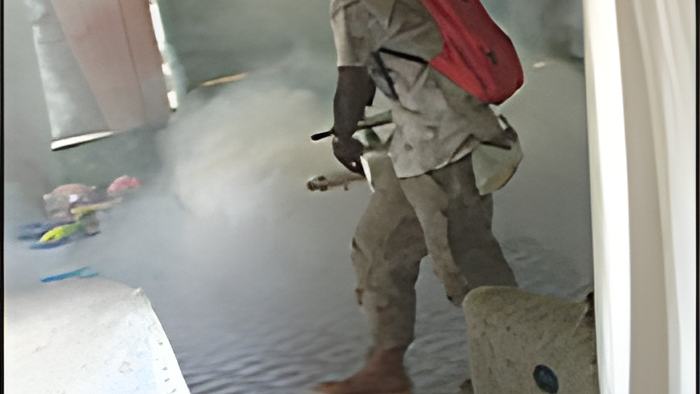
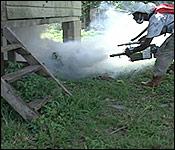
With a couple tugs at the metal lever, this thermal fogger rumbled to a start. It's a sound that the vector control team as well as the community are very familiar with.
Even more so now since the vector control team has increased its clean up and spraying campaigns in the Cayo district among other communities in the North and South.
That boost in campaigns is as result of a 16% increase in Dengue cases countrywide - this year so far there have been 261 lab confirmed cases compared to 225 in all of 2014.
Kim Bautista, Chief of Operations, Vector Control Program
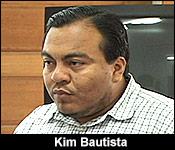
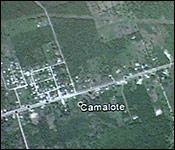
"Our current zones are Cayo and Corozal. In the Cayo District we are looking at specifically Camalote, Cotton Tree, San Martin, Maya Mopan and Salvapan as where the bulk of cases are reoccurring. In Corozal there are a few hotspots in Corozal Town; you have Altamira and villages like Caledonia, Copper Bank, San Narciso and Santa Clara."
Seems like a lot of ground to cover but the vector control team has been working aggressively in these priority zones for the past week. The unit has 18 ULV machines and 15 vehicles countrywide to carry out these campaigns. Although there have been no deaths and most of the cases are stable - this spike needs to be closely monitored.
Dr. Francis Morey, Epidemiology Unit, Ministry of Health

"The appearance of Hemorrhagic diseases especially dengue is of great concern for us at the Ministry of Health and even more for those members affected by death in their family. So, there might be more cases as we continue in the next few months coming."
But according to specialists in the vector control program, community involvement is the leading factor in dramatically reducing Dengue cases.
Kim Bautista
"The community needs to do their part. We need to see a change in behavior. If you look at the data coming back from field inspections, where you have dengue cases, sources of where mosquitoes are breeding; drums, bottles, tyres, poor garbage disposal, poor drainage affecting these communities. A lot of it could come about from the householder modifying some of this lifestyle - cleaning up the place a little bit and basically taking a more active role in prevention."
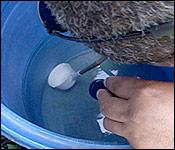
That is the main message that the Vector Control Unit and public health officials want the public to get. At this residence in the Young Bank area in Camalote, the team found Aedes aegypti larvae in an open storage container in the yard.
That, and a pile of garbage, empty bottles and old coconut shells -optimal breeding grounds for the mosquitos.
That was the state of most of the yards in these areas. The supervisor for the vector control program told us that the time invested to clean the house and yard is incomparable to the pain, suffering and possible loss of life that it prevents

Eugene Lisby, Vector Control Supervisor, WHR
"We have asked people to actually look at their surroundings. Our education is for the people to at least once a day to clean their surroundings. It's so easy for them to clean the surroundings. There is a truck that comes around to collect garbage. Let them dispose of it properly and the water that they use for washing and bathing or so on - to please keep it covered at all times."
Basic tips that can keep mosquitos away and save lives.
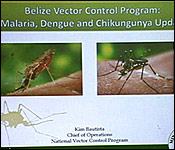
A small correction - there have been 261 confirmed cases so far this year compared to 225 during the same period in 2014. Health professionals also addressed Chikungunya and Malaria: so far there have been only 2 lab confirmed cases of Chikungunya coming from Belize City and Cotton Tree. This is compared to the 8 cases reported last year in Las Flores. Lastly, in terms of Malaria cases there have been 9 this year so far in Belize City compared to 19 in August 2014.