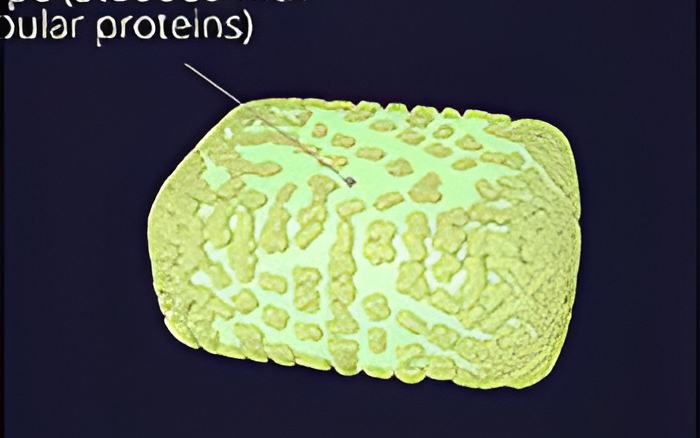


Doctors say that Monkeypox is a part of the same family of viruses as smallpox. In fact, the symptoms are similar to smallpox but milder; Monkeypox is rarely fatal.
The press asked the Director of Health and Wellness to discuss those symptoms and how contagious the virus can be:
Dr. Melissa Diaz-Musa - Director, Public Health & Wellness
"After one 1 to 3 days of fever, then we would notice that the rash would appear. No, the rashes usually appeared first on the face, but it can be on the palms of the hands, the soles of the feet, and occasionally on the genitals as well, okay. So, this is more or less what the clinical picture is for monkeypox. It usually takes 3 to 4 weeks. In most cases, it will go away on its own. It's a self-limiting and supportive treatment, for instance, Tylenol for fever and rehydration if you're dehydrated. So just supportive treatment. The rash usually would last for at least 3 to 4 weeks. A person remains contagious after the entire time until the rash has scabbed away completely because that's the main way of transmission with monkeypox. So, it's transmitted from one person to another by close contact with someone who is showing symptoms. This includes touching by contact with their respiratory secretions, so coughing, sneezing, speaking, singing, all these things again, face to face contact, close contact with the body lesions, because the body lesions many times contain fluid as well, that can cause another person to get the virus from this fluid. Contaminated materials like your bedding, pillow sheets, and utensils can also be a source of the spread of monkeypox. Many times people might describe lesions in the mouth, and these lesions can also be infectious, which highlights that saliva as well can be a source of infection. So, people who closely interact with someone who is infectious, including health workers, household members, and sexual partners, are at greater risk of this infection. So remember, it can be spread through respiratory droplets. It can be spread through skin-to-skin contact, through contact with bedding or utensils that have the scab in or some aspect of the virus, through sexual intercourse, including kissing, or from a bite or scratch from an infected animal."