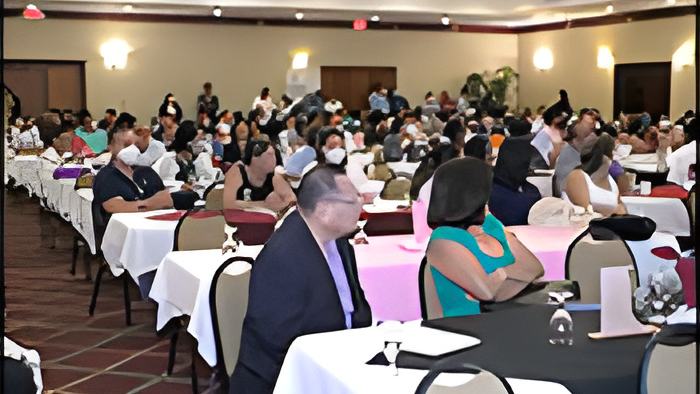
Today, dentists and medical officers from the Belize Medical and Dental Association were at the Biltmore Plaza Hotel for their organization's 39th Annual Congress.
The theme for this year's congress is "Improving and Standardizing the Quality of Healthcare in a Post-Pandemic Era." This theme allowed the participants to look critically at how Belize's healthcare systems survived the massive 2-year strain brought on by the COVID pandemic.
We spoke with members of the BMDA about their analysis of how the country managed the different COVID outbreaks, which began in 2020:
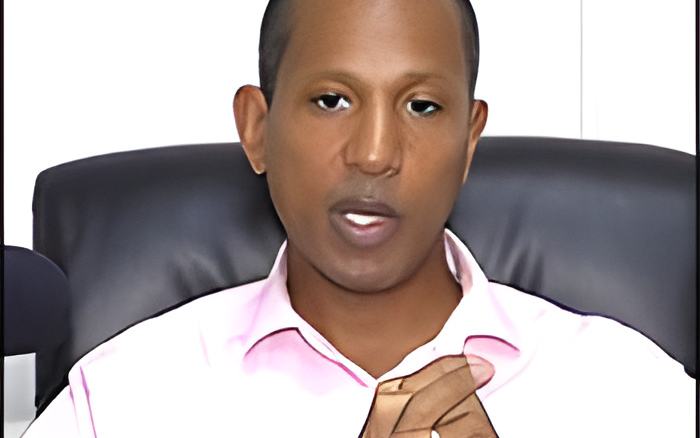
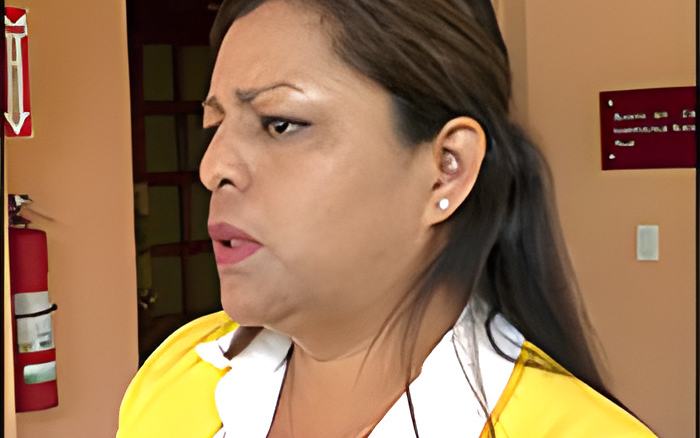
Dr. Perlita Aldana - President, BMDA
"This Congress is where we come for continuous medical education. I guess in moving forward, at one point, we will come and have a Congress where we can deal with topics that are more related to the way how we practice, the things that we need, and the things that affect us. But for right now, the Congress that we're having is continuous medical education. Today, we have topics that both Doctor Hidalgo and Dr. Cuellar are bringing, what we learned from COVID or from the pandemic itself, you know. So those two topics, I think they're very much interesting. We're having them this morning. Really. You can interview those doctors for a little bit more of the work that they did on that. And here are other topics, such as how the pandemic directly affected oncological patients and how they affect pediatric care. So, there are different little topics that are very interesting this morning."
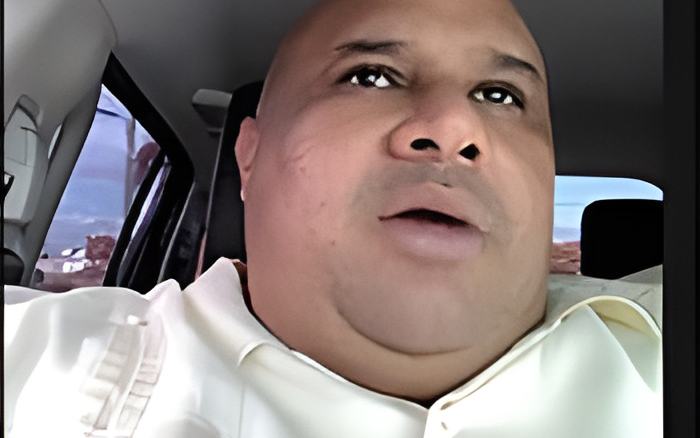
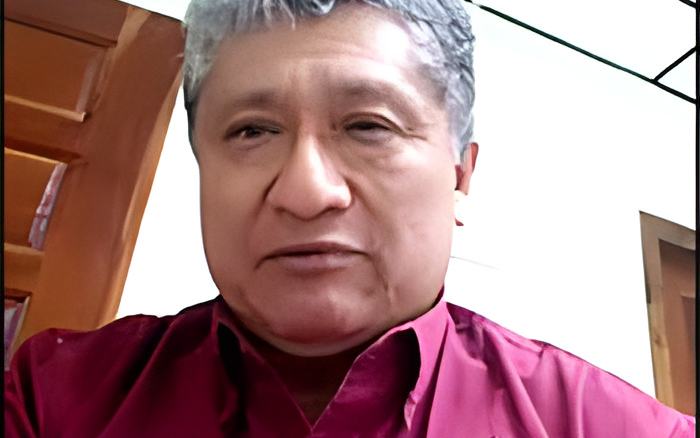
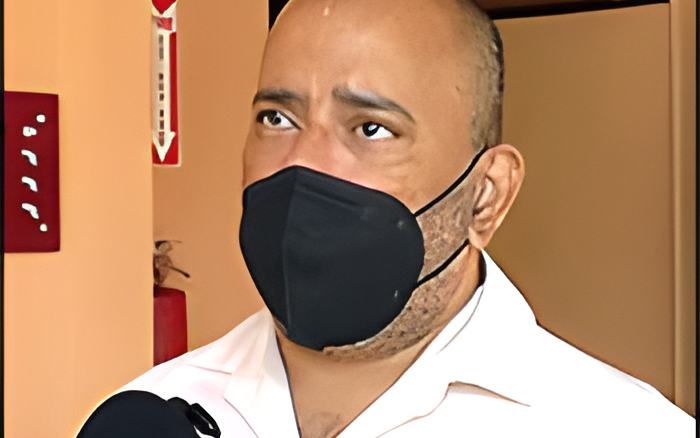
Dr. Fernando Cuellar - Internal Medicine Specialist
"My brain has been wired from medical school for internal medicine and critical care. I actually thought that the people who did public health and epidemiology were either lazy, are not smart enough. I'll be honest. This pandemia has changed me 180 degrees. Big respect to the public health people big respect to the epidemiologists. They are the ones who saved more lives, honestly. And as I will hopefully point out in one of the slides, these are the type of human resources that we need to develop more. There's a document I referred to earlier that has looked at human resources. And although when we have this interview discussion, you hear where we need more critical care specialists, persons like myself are at like the endpoint. But definitely, we need to give much more emphasis to public health professionals in epidemiology, the drivers, the lab technicians, the lab workers, the nursing, and a lot of support people that played a big role and help us to get through it as well as we did. I referred to 600 plus deaths where, for Italy and Spain, that might be much, but [in] Belize, that touched all of us: 682 deaths. We knew somebody who had passed away from COVID. So it touched home to every Belizean, this COVID. And we need to look at it properly so that we could see if those amount of deaths were avoidable or if we can do better next time. I asked the question about what we learned and what we didn't learn. And the truth of the matter is that we are not quite sure yet because we haven't done a thorough, formal post-mortem of what has happened through the pandemia. We have different opinions. We have different anecdotal responses, but I have encouraged my colleagues, the ministry, and the authorities to do a formal post-mortem, even if it takes us a year to two years so that we can say, You know what? We did this right. We did this so right. This was totally wrong. And we can prepare ourselves for the next go around because there will be a next go around, unfortunately. And if it comes in the next 20 years, 15 years, or 30 years, then we should put ourselves in a position where we are better prepared."
The two day Congress continues tomorrow at the Biltmore Plaza Hotel.