
Vaccines, they were essential during the pandemic, the narrow bridge back to normalcy after COVID shut down the world.
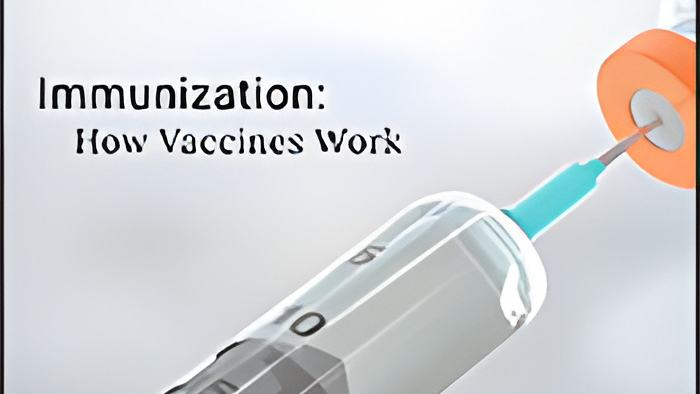
But what really is a vaccine, and how was it invented?
Tonight, we're continuing our series on vaccines in collaboration with UNICEF and the embassy of Japan by bringing you a brief history of vaccines and a look at what makes them effective.
This news feature is a collaboration between 7 News, UNICEF, the people of Japan, and the Ministry of Health.
In our last feature on the vaccine cold chain, we showed you how vaccines make their way from the manufacturer all the way to rural villages in the remotest corners of Belize.
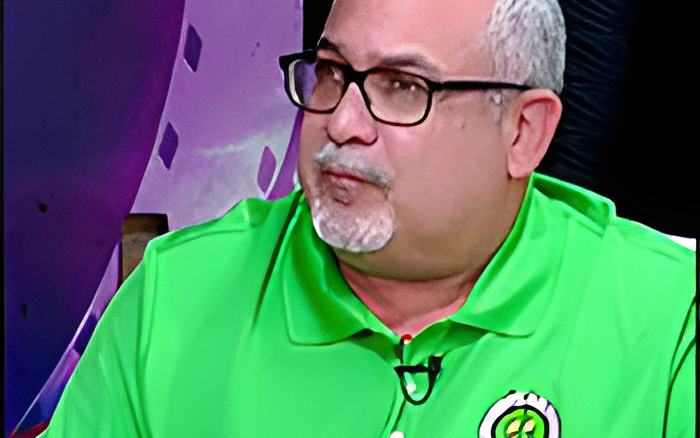
But what is a vaccine? We got an expert opinion from EPI Nurse Lila Middleton
Lilia Middleton, Expanded Program Of Immunization Manager, MOHW
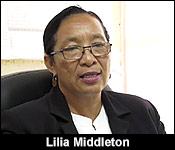
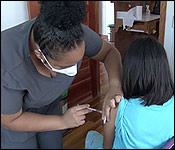
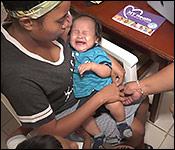
"A vaccine is a preparation that is inserted into the body and that vaccine gives a vaccine and makes the body give a response to whatever germ or whatever infection is there in the body. So, when you put in a vaccine in a person, the defense that the body has will be activated and then that will help the body to fight against any germ or any bacteria that goes within the body. It helps protect against contagious diseases. So, a vaccine helps to protect against those diseases."
But how did those preparations even come into existence?
Lilia Middleton, Expanded Program Of Immunization Manager, MOHW
"Dr. Edward Jenner in the 1700's and he invented the Small pox vaccines. So, he saw that a lot of persons were getting smallpox and then he decided to work on that it was a story that was, that I read that he worked with the maids of a farm and he injected the or scratched a child with the virus and that is how the vaccine history started for us."
And in a world that has only recently come out of a pandemic, many may be curious to know how vaccines actually do their work.
Lilia Middleton, Expanded Program Of Immunization Manager, MOHW
"Um, it is effective because it stimulates the body's immune response against the disease and so when this vaccine enters the body then our, our immune response starts working. It's like we have little soldiers in our body and whenever something different gets into the body then those soldiers get into alert and they start working against whatever invades the body."
Still, rigorous tests are done to determine whether vaccines are safe before they are administered to the public. Nurse Middleton walked us through that process.
Lilia Middleton, Expanded Program Of Immunization Manager, MOHW
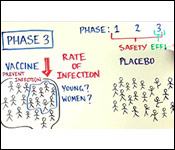
"The vaccines is first given to animals and that we see how that vaccine works in the animals, then it goes through clinical trials in human and then we have the first phase that we go through which is the vaccine is given to small amounts of persons, then they see how the vaccines work in those person, then the second phase is that the vaccine is given to hundreds of persons and these hundreds of persons, um, would be maybe, like it's, like the same sex or the same age and then they see how these things work on that person, how the antigens work, then it goes to the third phase, the third phase, they work on thousands of persons and these vaccines are then given to these persons and show how they are effective to these persons."
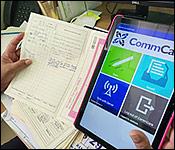
So, while we've told you about the cold chain equipment and training that have been sponsored in Belize by UNICEF and the people and government of Japan, there's also the vaccine record-keeping app that the government and UN agency have made available for rural Belize.
Lilia Middleton, Expanded Program Of Immunization Manager, MOHW
"Our vaccine app, is used for those areas where we do not have internet or that we do not have BHIS. So the nurses when they go out, they can insert their vaccination that they are giving, we use a tablet and they don't have any kind of internet. So, when they give their vaccine they can put it in the tablet right away and it will be generated later on to the BHIS and for us to get better, better coverage, note or coverage better because there has been some backlogs in us putting the vaccination in the BHIS, and so this is a way that UNICEF has helped us to get the vaccine into the BHIS quicker."
This news feature is a collaboration between 7 News, UNICEF, the people of Japan, and the Ministry of Health.
This series comes to an end tomorrow night when we take a look at the importance of vaccine schedules and explain what to do if you or your child have missed a dose.