In other health news...
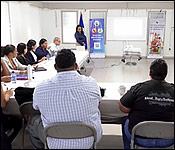
The Ministry of Health and Wellness held a soft launch today for the "Healthy Habits, Healthy Schools, Healthy Belize Initiative." The Pilot project is a combined effort between the Ministry of Health and the Ministry of Education with an aim to phase out sugary drinks and unhealthy food choices from schools. But is this even possible with all the chips, ideals, cookies and sweets sold outside and inside schools? Jomarie Lanza reports.
In March, the Ministry of Health and Wellness and the Ministry of Education set out to create an initiative that would change eating and dietary habits within schools across Belize.
Together they formed the " Healthy Habits, Healthy Schools, Healthy Belize" to phase out sugary drinks and unhealthy snacks in schools and bring in healthier options inclusive of fruits and veggies. Today the Ministry of Health held a breakfast briefing with the media to tell us about the project's rollout.
Robyn Daly Faber, Nutritionist, MOHW
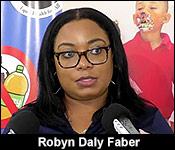
"This initiative, The "Healthy Habits, Healthy Schools, Healthy Belize" initiative is an initiative that we are looking to roll out, starting with 18 schools in the Belize District involves promoting healthy food, gradually reducing sugary drinks out from schools and also creating enabled environments for schools."
"The Ministry of Education and the Ministry of Health worked together to do a joint cabinet paper, so that's how it started, and the cabinet paper looked at gradually reducing sugary drinks from schools and the promotion of healthy foods in schools. We realized that NCDs different diseases are affecting our young population and we need to start having measures in place, looking at policy, looking at capacity building looking at encouraging schools to go on that healthy route in terms of health and nutrition it started from there and with our collaboration it was approved, The cabinet paper was approved by the government and because of that now this rollout of the healthy habits, healthy schools healthy belize intiave is in place."
Fidel Cuellar, Deputy Director, Public Health and Wellness
"When we are growing up we learn things that affect us for the rest of our lives. We learn to study to be good people, we learn to go to church, we also learn how to eat. And unfortunately we are not learning how to eat in the healthiest of ways and we know that because our children are having issues with obesity and being overweight. They have other chronic health issues like hypertension diabetes and they grow up to be adults who really have a lot of these
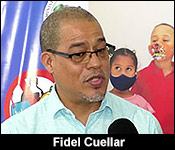
health problems. So what we are saying is we would like to be able to intervene in such a way that we would help to ensure that the future of Belize will be healthier."
It's a Pilot project that some schools started to introduce way before the initiative was tabled at cabinet. The ministry says that even if a school is not included in the current programme they continue to encourage schools to implement their own healthy choices for children.
Robyn Daly Faber, Nutritionist, MOHW
"The details of the activities of this pilot project is were calling it a pilot but really we are just working with 18 schools. I think it's a large enough group but we also want to work with pre-schools, primary schools and high schools in this phase, this pilot phase. It involves training looking at working with the cafeteria managers, training the teachers working with supporting the schools in coming up with activities and strategies that the schools can do for them to create an enabling environment or that enabling space so within the first. School year we expect to see some changes with these 18 schools. However whatever experiences we learn from this we what to be able to, next school year we want to start to work with other schools and with this launch this rollout and this promotion of what we are doing we are inviting other schools to Join they don't have to sit for us to come."
"We want to have training for our teachers, We want to make sure we can initiate our fruit days or our water days. We want physical activity challenges. These are things the schools can do without being a part of the initial pilot with us but they could start making little steps on their own So when we ask the media. Showcase or to cover stories with this we could see that some schools might already be getting ideas with what they can do on their own to join this intube to promote more health and nutrition in schools."
The program launches in September when school resumes.