
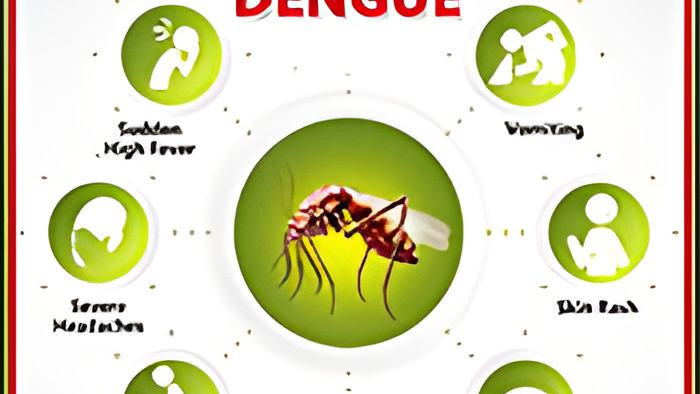
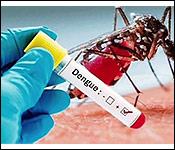
We've been reporting on a virtual dengue epidemic in the America's this year - with many countries reporting record cases. Fortunately, Belize has been spared and no outbreaks have been reported so far.
Today, a public health practitioner spoke with us today on the importance of preventative practices that can help to eliminate breeding areas for mosquitos.
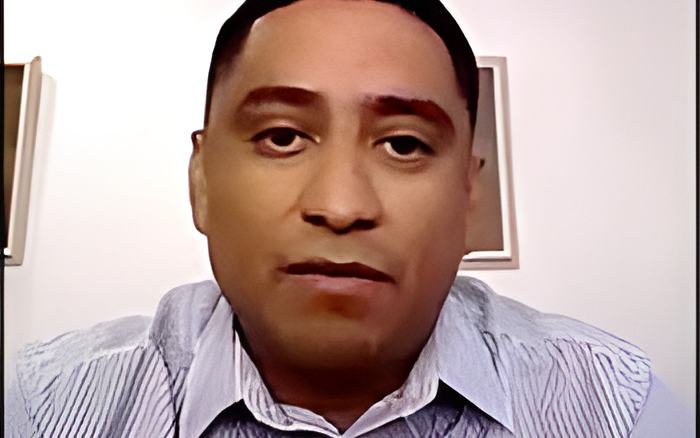
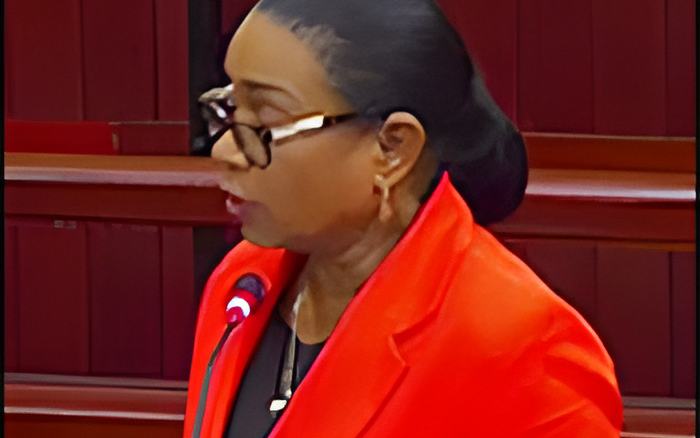
Karen Lewis Bell, PAHO representative
"So as a public health practitioner, the first thing I want to say is that the prevention and control of Dengue fever rests with each and every one of us. The vector of Dengue fever, the Aedes Aegypti Mosquito grows in our homes, we cultivate that vector in our homes. This particular mosquito liked fresh water so out flowers pots saucers, the drainage pans in o it refrigerators, our toilet tanks, some people may keep old containers and tires in their backyard so when you know it rains and water collects in these places, that is how this mosquito breeds out and important to note is that the eggs of this

mosquito can live for up to 120 days in a very dry state. So even if there is no water, the eggs will remain on once the eggs get exposed to water then the larvae will come out and the mosquitoes will come out. So well the ministry of health and wellness has a responsibility to ensure that you know they look at vector control they look at health promotion they look at sharing messages with the public as to what they should do to ensure that services are available so that anyone should have any of the signs and symptoms of dengue they can go to the health facilities and certainly if they have severe dengue, they need to be hospitalized if they need blood transfusions that is their responsibility to provide the services, and I really think it's important for each, and everyone of us to know that prevention of dengue and many other diseases really starts with us."