Upon confirming a case and activating their containment methods, the infected person is then urged to isolate themselves for the infectious period.
Dr Friesen noted that all the cases they have confirmed so far are persons who are NOT vaccinated for Measles - the youngest case being 9 months old and the oldest is 54.
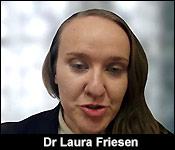
Dr Laura Friesen, Acting Dep Director of Public Health and Wellness
"So as far as containment the first thing we do is we investigate and we ask the patient and the family to share their travel history to share their any contacts that they might have had in the last month and we ask for who might they have contacted during their infectious period and why we do this is because what we want to do is we want to identify anybody that is not vaccinated because they are at a higher risk of getting measles even through a very short and brief contact measles can spread to an unvaccinated person so what we do immediately when we get a suspected case or when we get a confirmed case we try to find all the persons that might have had contact with this person and we offer them the vaccination if they are not vaccinated then we highly encourage for them to get vaccinated because getting the vaccien even after you have been exposed can still prevent you from developing the infection and it can reduce the severity of it if you do get sick. We call it post exposure prophylaxis measles vaccination so it is also called ring vaccination that is the main tool we use to contain the disease."
Jo-
"How long is the infectious period?"
Dr Laura Friesen
"The infectious period is 4 days before the date that the rash starts and then it continues 4 days after the rash starts so the day the rash starts is day 0 so 4 days before, 4 days after so it is a total of 9 days."