
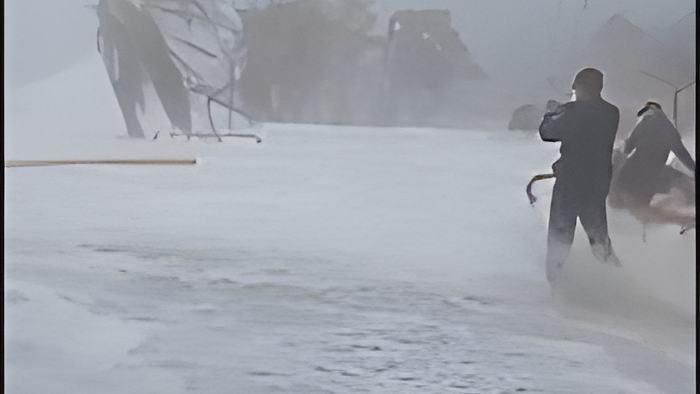
Tonight, the remnants of Hurricane Iota are over Salvador and headed for the Pacific Ocean.
That's 48 hours after the system became the second major storm to pommel Nicaragua in less than 15 days. But while the storm has almost dissipated, it's left chaos, anguish and destruction in its path.
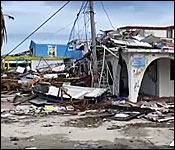
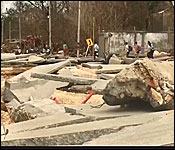
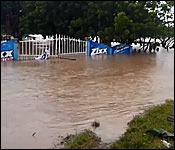
It's an experience that we, in Belize, were spared. Still, we're curious and sympathetic about the plight of our Central American brothers. Cherisse Halsall scoured the internet for the images and the tragedy created by Hurricane Iota.
Iota is the strongest storm to hit Nicaragua in the country's history and in very preliminary stages of reporting, at least 9 people are dead.
According to Nicaraguan Vice President Rosario Murillo that includes four adults and two minors.
On Tuesday when the Category 4 storm made landfall in Puerto Cabezas with maximum sustained winds near 155 mph, it affected over 400,000 people
And while there is currently sparse communication with Puerto Cabezas, due to blackouts and fallen electrical cables there is an emerging death toll on the Colombian island of Providence, where according to Colombian President Ivan Duque at least one person has died and one is missing.

Ivan Duque - President of Colombia "The preliminary assessment is that one person has died and another is missing, but we're waiting to arrive in the territory where we can get more precise information."
News outlet TeleIsla, on the Colombian island of Providence, has been able to record interviews with affected residents who gave these testimonials:
They also spoke to two men recovering from the effects of the storm on San Andres.
And as these territories wrap up the most horrifying of fortnights, residents and their governments can only hope that for them that there will be no more storms this terrible November.
There is one more system moving toward Nicaragua and Colombia and whether or not it becomes a tropical cyclone, areas of heavy rain are possible during the next several days from Nicaragua southward across Central America and into Colombia. These rains could cause new flooding concerns, especially across previously inundated areas.