
When the US$517 million super-bond passed in the National Assembly on December sixth, we had to notice that the figure, first advertised as US$516 million us had shot up to US$565 million. That was easily explained when the Prime Minister offered that the extra 50 mil was from the Venezuelan government which had asked that a new loan to Belize be added into the bond. It didn't seem to make sense as the Venezuela loan was concessionary and the bond commercial. While most of us were left scratching our heads, Senator for the business community Godwin Hulse hit the books, the bond offering book to be precise. And today he told us that what he found, shocked him.
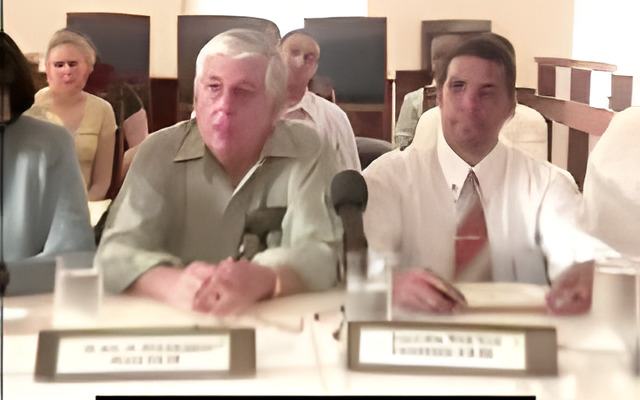
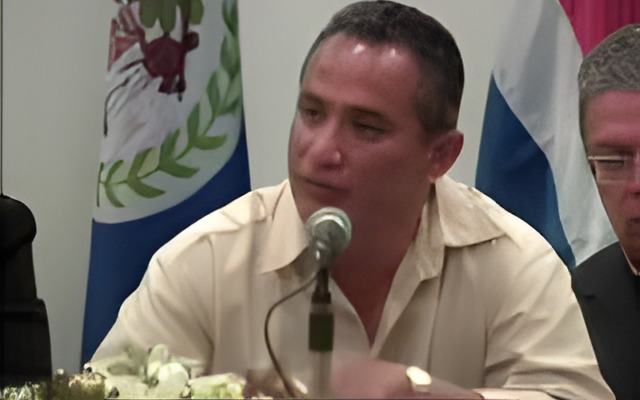
Senator Godwin Hulse,
"The total of the bonds as they exist today is US$516 million and I have a problem with how we got to US$565 million. There's been an explanation from the Minister in a private sector meeting that that included the Venezuelan loan and there it went to $565 million. With any intention of casting any aspersions on the technocrats and the Minister, the document that I have come in possession of which, which is the offering, says that that $50 million is fee and commission on the bonds and it is payable in cash. So we need the government to clarify that for us.
The second thing is it is $565 million of which by the time it is amortized completely we would have paid US$740 million in interest. The total payment will be US$1.3 billion. Now when you look at the US$565 a substantial portion of that is private sector loans that was brought in under the securitization program, under loans that were guaranteed for the DFC, and there is a mention of loans for some other private entities as well. I elaborated on them this morning. Now, we need to know if those private entities are paying their loans and what mechanism exists for them to pay it.
How come we have just assumed those as public debt? How come now those are being put on us? I believe that if we had put all our collective heads together, no disrespect to those who are negotiating, I feel that we perhaps could have done a better deal or at least we could have known that the exact total effort has been exhausted and this is the best we can possibly do.
We will have to take U.S. dollars that we earn from sugar, citrus, bananas, tourism, and every thing else over the many years to come, twenty odd years, we will have to take the hard earned U.S. dollars that we could use to develop this country to pay in interest and pay back for bonds, the benefits of which it is hard for us to see. That is really the issue and that is the issue that needs to be debated."
Hulse says he will be having talks with senior finance officials to investigate the bond further.