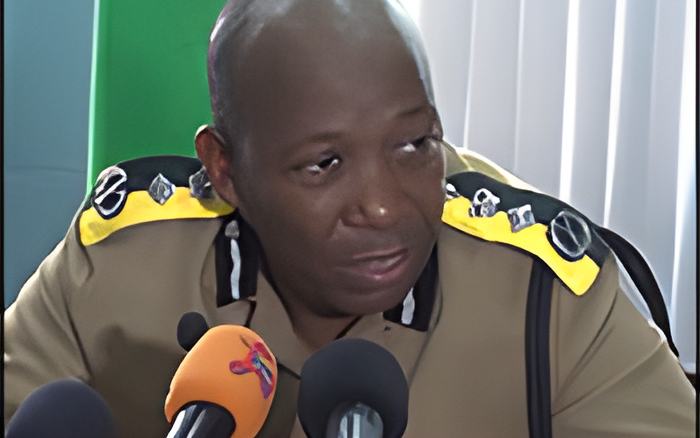
And while that initiative should boost the Blue Economy, last night's guest on Uncut isn't a big fan of the Blue Bond. He's Andre Standing, a Research Associate with the Coalition for Fair Fisheries, based in Brussels.
He appeared via Zoom and said that the entire structure and conception of the Blue Bond he believes is misconceived because it puts monied NGO's at the heart of conservation in small states:
Andre Standing, Research Associate, Coalition for Fair Fisheries
"As a mechanism for financing conservation, we are heading in the wrong way and were transferring a lot of power to financial markets and banks to control the money. I think the other point about this is its not just about monetary transfers, it is also about politics and about power. When an organization like TNC and Credit Suisse finance your debt restructuring, and then they come with conditions on how you spend it, they also come with conditions on who is overseeing that spending. So, they insert themselves into a country's politics with quite a lot of influence which I think is worrying."
And while Standing was critical of The Nature Conservancy which set up the Blue Bond - Jules argued that it was the best deal Belize had on the table. And besides, the 364 million US dollar Blue Bond retired the onerous Superbond and translated to an overall debt reduction of $250 million UD dollars, and more than US$200 million in debt servicing savings. Here's that back and forth:
Reporter
"In view of the circumstances, we had to take what was on the table because we were unable to continue servicing the superbond debt as it stood.".
Andre Standing, Research Associate, Coalition for Fair Fisheries
"I can accept that Jules and I think the Government and the people who decided whether to take this debt swap or not are in a very difficult position. As you say, the power is elsewhere in these negotiations. I think what is really sad is the lack of voice and power behind this idea of ecological debt. Here you have this narrative of Belize you owe us money, you've borrowed too much and you must remember that the people who've made money out of these loans are not the Belize people, it's bankers and investors. If you really dissect where the superbonds have come from, who's benefited are the lawyers. Then, you see that these debts were illegitimate, but if we change the narrative towards ecological debt, then you see that actually Belize has owed a lot more than it owes to other people."