

And another matter that has not reached his desk as yet is that of Corporal Kenrick Bol's deadlocks. As we told you, Bol became the first male police officer to wear them. However, the ComPol has issued him a warning that the locks have got to go.
Back in 2019 female officers were brought up on charges for their hairstyles as well. At that time, Sylvester - in his private practice - was their attorney in that major constitutional case, which ultimately saw the judge ruling in favor of the officers - setting a region wide precedent.
But now as the AG - which is the government's attorney - what stance will he take? Well, he said he's unable to comment on Bol's case right now.
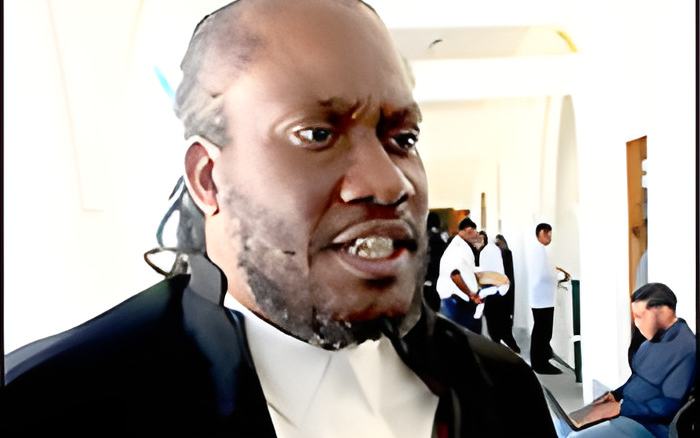
Anthony Sylvester, AG
"So the way it works in terms of when an issue arises that requires some legal representation or some legal advice the respective department or ministry would write to us and request advice. We haven't, that is, the attorney General's ministry has not received a request for advice, or representation on the matter as yet so I would not be able to speak about the specifics, but what I can say as it relates to the case that I did when I was in private practice, the Shantel Berry case, so that case, the police department had invoked one of its regulation, I think it was regulation seven, and that regulation provided that as a female, and this is very important to note, because hat case and the and the principles were applied late into how the court would interpret the application of the rule to a female police officer. So, a female police officer, they can where to here to a certain length. It has to be above their collar. So what you had in those circumstances, the police officers, they demonstrated a look, they had in dreadlocks, they could still conform with the rule and not run afoul of the rule. And so what the court had found is that, on its face, the rule was not discriminatory. I'm not too familiar, and again, we haven't been seized with the specific facts of this of the case that you alluded to so I cannot determine or I cannot speak to what may or may not necessarily be the advice that we would offer. Suffice it to say that as it relates to discrimination, the discrimination methods usually are facts sensitive, meaning they have to look at the specific facts before a determination could be made."