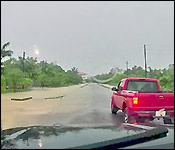
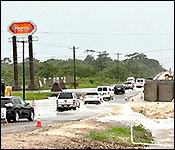
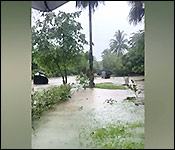


Tonight, Belmopan residents, engineers, and city planners are still trying to figure out what happened in Belmopan on Saturday. The Capital City saw record flooding in various areas, but what triggered it?
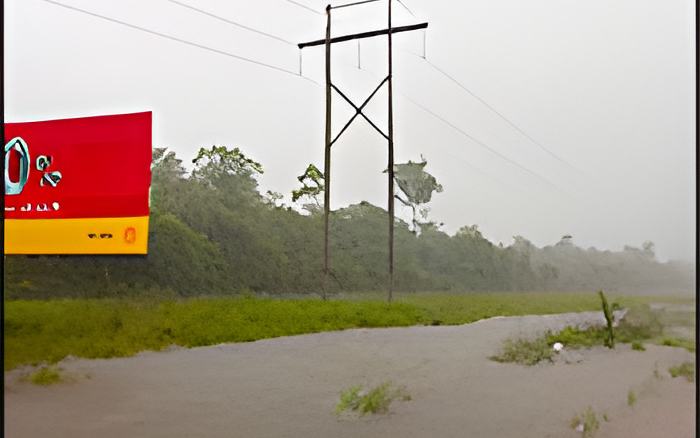
Approximately 150 households were affected and waves rolled through the peripheral communities of Las Flores, Salvapan, and San Martin.
And tonight residents of greater Belmopan are asking how this could have happened in the shining city on the hill, the one so famous for its drains.
Jaleeza Roberts has this story from the capital:
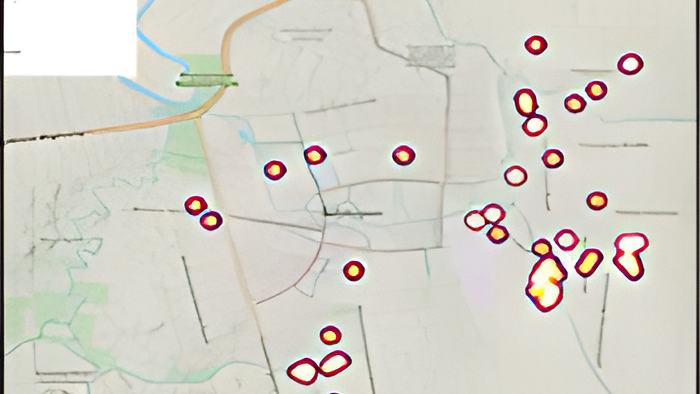
This image shows 50 of 150 damage reports being assessed in the City of Belmopan, scattered in various areas but primarily in San Martin, Salvapan and Las Flores.
These residents are left to clean up after the waters receded. Mayor Pablo Cawich says the hardest-hit communities were those surrounding the Ten Cents Creek.
The flooding has reignited concerns among residents over whether Belmopan's drainage infrastructure can handle increasingly intense rainfall.
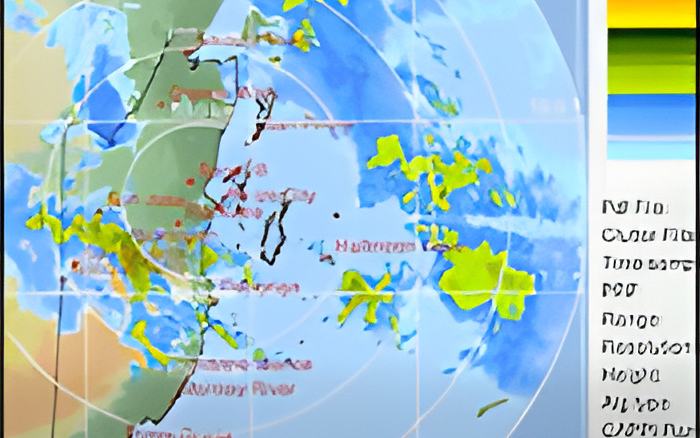
Cawich says this weekend's downpour, which dumped 8 to 10 inches on the Garden City in a few hours was anything but ordinary.

Pablo Cawich, Mayor of Belmopan
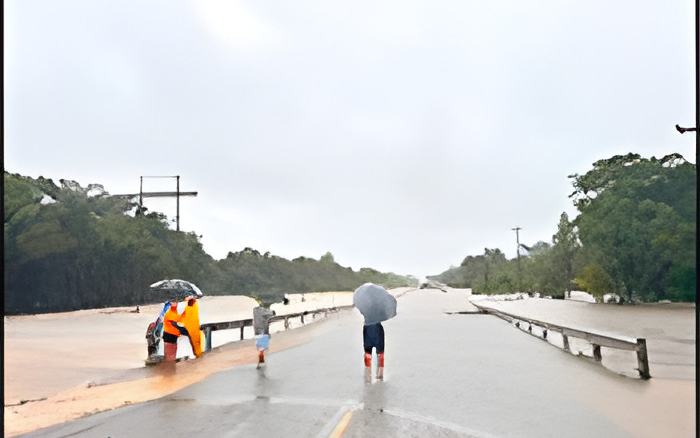
"This weekend's occurrence was a very unique circumstance. The Belmopan area received a lot of historic levels of water, specifically the Belmopan area, starting from Armenia to Belmopan. We have handled a lot of severe rainy storms in the past. I think the last one like this weekend was around the time of Mitch in 1998. Last year, February, we had a slightly bad rainy season and we didn't reach these levels of flooding. We have improved the drainage system since then, but as I've tried to explain to some of the residents, the problem was not our drainage system. The problem was that the Belize River was already flooded. That is where all of our drainage systems dump into. The corridor by the highway that was flooded out is the area where water usually moves over from Belmopan over to the Belize River."
For one Salvapan resident, watching her belongings get ruined was a harsh wake-up call for the necessity of disaster planning in an era of climate extremes.
Lecla Chun, Homeowner
"I have only two mattress but the rest are damaged, everything got wet."
Jaleeza Roberts:
"Have you experienced something like this before in Belmopan?"
Lecla Chun:
"No ma'am I never experienced this, this is the first time."
"I never faced this in my life yet."
"Maybe it can happen again because the rain just started and then we have to just prepare now."
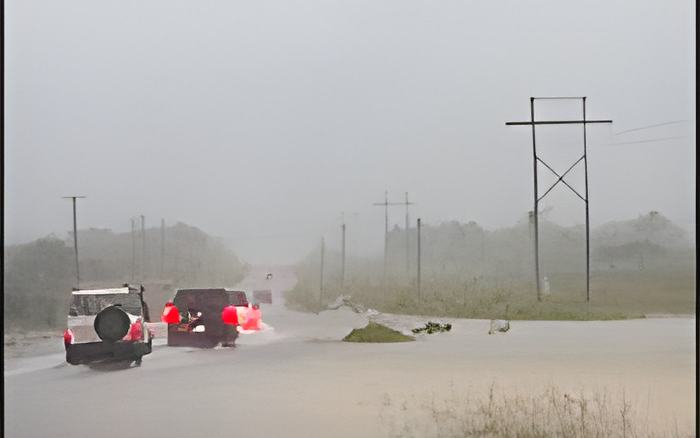
The flooding also exposed another vulnerability: access to the capital. With sections of the George Price Highway under water, motorists were forced to use alternate routes through the J&W area and Cotton Tree, raising questions about whether Belmopan needs additional emergency access roads:
Jaleeza Roberts:
"Are you all looking into potentially trying to develop another road to get in Belmopan? Let's say in the event there was an emergency that someone had to get from Belmopan to Belize City, what would have happened in that instance?"
Pablo Cawich:
"Yes, we are looking at new access routes, but along with looking at new access routes, we also have to many times consider security. Our expansion assessment with those new entries is in collaboration with the police as well, because security is one of the main things that people usually bring up when they open new roads. They give the crooks or criminals new roads so that they can hide from the police. So we have to ensure that we develop properly. There are presently two roads in the J&W area that connect to the highway, and that's the road that was being utilized during this present flood."
Despite the flooding, emergency shelters saw little use. A temporary shelter was opened in Belmopan on Saturday, but no residents checked in. The only shelter that accommodated evacuees was in nearby Armenia, and it has since closed. Jaleeza Roberts,