As we have been reporting Government took the surprise decision a few weeks ago to allow cane farmers in the north to send sugar west to Santander.
This is a huge departure from the long-established practice - and it has up-ended ASR-BSI's monopoly on control of sugar can produced in the north.
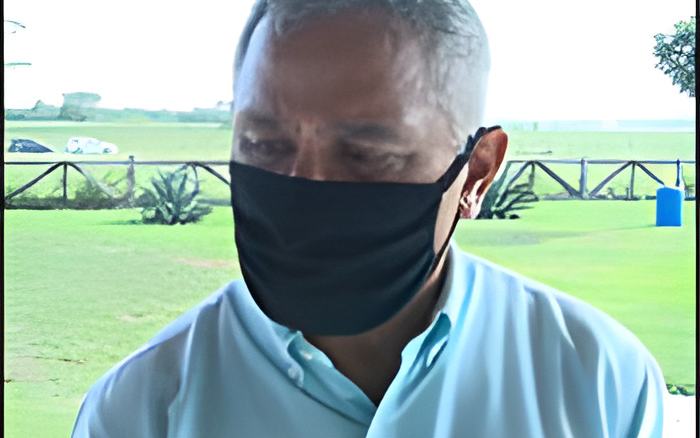
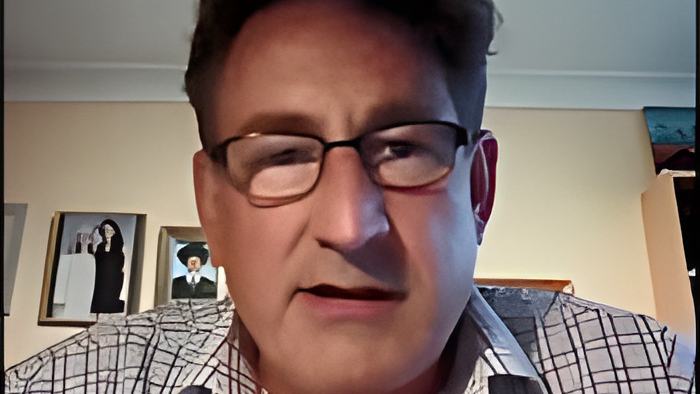
Today, via ZOOM, a senior ASR representative spoke to the press form the UK - where he said Cabinet's decision was flawed and misinformed:
Mac McLachan - VP, International Relations ASR Group "I believe that cabinet's decision was taken for the right reasons with the wrong information, and I think what's happened is that the due process was not followed that should have been followed. We were not consulted about this decision at all which seems to be very odd because we're the mill. With all due respect the minister is not a mill engineer, a technical expect who knows about milling and what the mill can achieve and all of these things and so, for us it was quite a shock, it's very well-established procedure for how something like this should happen and underlying problem with this whole issue is that the lack of management information."
Jules Vasquez "Based on the facts on the ground as you interpret them, the data on the ground as you interpret it and you are an informed stakeholder, it makes no practical sense."
Mac McLachan "It makes no practical sense because it's going to undermine the farmer because the farmer will lose a great deal of value from sending cane there. We respect the cane farmers; we respect the investments they've made and that's why I'm scratching my head a bit to wonder why there is such a drive to get cane farmers to take their cane 140 kilometres west at great cost to them rather to bring that cane to BSI. We are a private business, we're part of the commercial sector, the government doesn't put in money to BSI, we're the ones who's been investing heavily in this industry for a long period of time and yet it would appear that actions are being undertaken which are very likely to have a material impact on our business which for us we haven't even been part of the decision making process and I'm struggling to see how that can be matching what the government have been talking about attracting more investment and improvements in the agro-productive sector."
Jules Vasquez "You feel that as an investor your legitimate expectation of a rationale operating land scape has been somewhat upended?"
Mac McLachan "Yeah, I mean we have commercial agreements with each of the cane farmers associations to receive all their sugar cane. Business I believe should be allowed to run and invest against a climate of certainty and against a climate that's conducive to that investment and if things do have an impact on that climate, then obviously it may have impact on investments. There are other factors that give us some hope that this is all a bit of a storm in a teacup, we could all be standing there and some point in the earlier part of July scratching our heads and wondering what it was all about."
Jules Vasquez "Even if it turns out as you suppose it might that this a storm in a teacup, do you feel that ASR/BSI is now entering a stage where things may slide in all directions that all the legitimate expectations that you all had of the industry landscape may be upended or at least infringed upon and that you know... expect anything."
Mac McLachan "We've had very strong assurances from the top that the government wants to work with ASR and BSI."
Jules Vasquez "Mac will this end up in court as far as we know, there is legislation that entitles you all to 1.5 million long tons of cane from the north."
Mac McLachan "Well, I mean that would be a very sad affair if it had to come to that. I think we're anticipating a further discussion with the government on this."