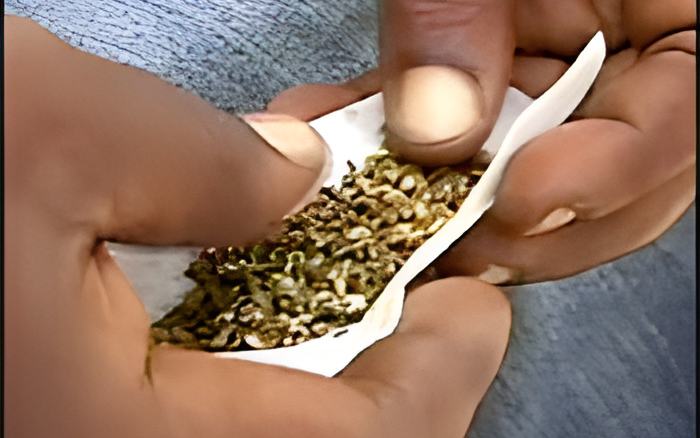
As viewers may be aware, however, the rush for "green gold" in the marijuana industry has thrown up major bumps in the road for countries that have made the decision that Belize is contemplating. Currently, one of the challenges facing countries like Jamaica is their banking sector's hands-off approach. Banks are very hesitant to do business with companies that specialize in the legal marijuana trade. That's because cannabis is still treated as an illegal drug in the larger nations that control international banking.
Also, smaller nations depend on countries like the US for correspondent banking relationships to provide international services. The US federal policy of treating marijuana as illegal could mean that the US banks would most likely de-risk any financial institution in other countries that provide banking services for the employers and employees in their local marijuana industry.
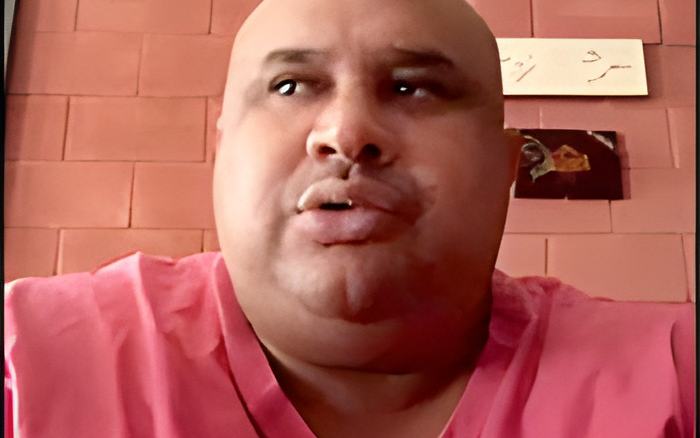
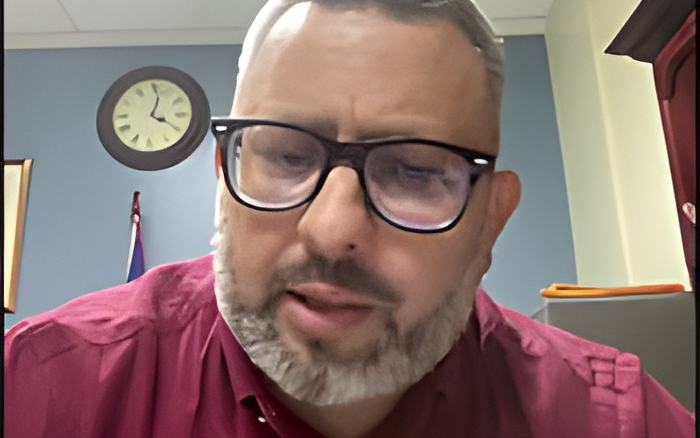
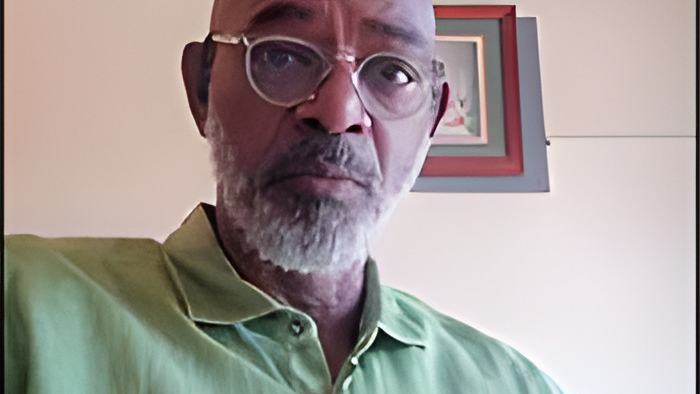
As viewers are aware, de-risking is a major difficulty for the banking sectors in small countries, and so, Belizean banks will have to grapple with this issue in the near future. This evening, we spoke with Glen Ysaguirre, the former governor of the Central Bank of Belize. He provided us with some insights on why a Belizean marijuana industry would face similar challenges:
Glen Ysaguirre - Former Governor, Central Bank of Belize
"In the cannabis industry generally, globally - even within the United States - the fact [is] that the industry remains largely unbanked or underbanked. In the US, we have this situation where there are certain states that are legalizing medicinal cannabis and other recreational uses. And so, they are banks that have a state charter; in those states [they] can receive the proceeds. But, there's been no legalization of this industry from the federal side. So banks that are federal banks, or licensed by the federal authorities, cannot and will not bank marijuana-related businesses, because they may be subject to some adverse regulatory sanctions from the federal regulators. It's a fact that the banks that we conduct correspondent banking relationships with are either subject to federal regulations or they are - they require access to the federal system to move international wire transfers and other transactions. So, they will also be subject to the same restrictions from the federal side, as any other American banks that are part of the federal system. So, while banks local banks may want to participate, I could see that they have good justification to be hesitant because they may be subject to some de-risking by the existing correspondent banks. And I say Correspondent Banks cautiously because I think most of our banks may only have one relationship, and maybe several of them have this relationship with a single correspondent bank. So we need to be careful. And I guess the government does still have to be very careful."
Opposition Leader Shyne Barrow also weighed in on this banking issue saying, quote, "The corresponding banking issue is a moot issue as the U.S. federal government is months away from federal legalization of marijuana.
The U.S. House of Representatives on April 1, 2022, again passed a bill to federally legalize Marijuana...
Jamaica legalized marijuana several years ago and has been used [as] an example [of] life after legalization in particular as it relates to banking.
I spoke to the Governor of the Central Bank of Jamaica... a few days ago and he reports that while the Marijuana Industry remains unbanked there are no issues with the Government of Jamaica's tax collection on those unbanked monies that make it into the treasury."