
Climate change, It's the greatest threat currently facing humanity and yet there's often less than sufficient energy behind appropriate action to evade impending climate crisis.
But yesterday, in a report filed though a collaboration of almost 300 scientists solutions are being offered and a call made for a fundamental restructuring of the global economy that brought us to such a precipice. Here's more in this story:
2022 has brought the world 3 giant climate reports: the science report came out the last August, the impacts and adaptation report just came out a month ago, and finally we have the mitigation report. It's the one that climate nerds and policymakers alike have been waiting for in the hope that it can serve as the road map to get us out of this climate mess.
This afternoon we talked to Belize's resident climate expert Dr Colin Young who broke down some of the latest report's key aspects
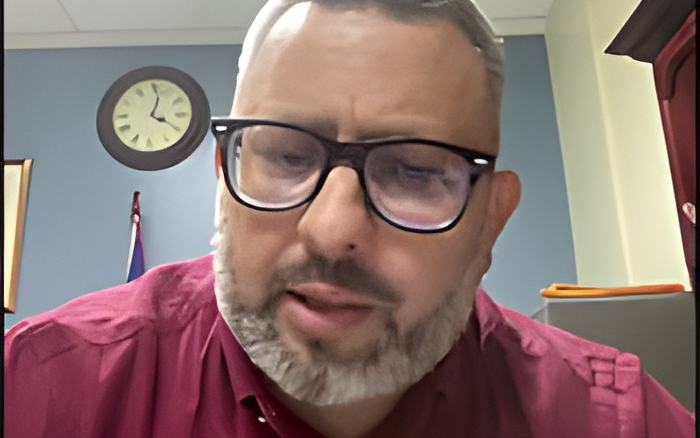
Dr. Colin Young, Director, Caribbean Center For Climate Change
"It confirms that warming is happening and it's happening as fast as the first report had indicated and the time is running out, the time is running out by which the world can limit warming to 1.5 degrees and it is confirmed also in terms of how much we have to cut emissions within the next decade. It's hard to keep 1.5 alive as we speak and essentially its no secret that we have to reduce energy by 43% by 2030 transitioning away from fossil fuels to clean energy, to renewables, solar, wind, geothermal, and also very important is that we also have to invest and protect our forest and our natural ecosystems like mangroves and wetlands because these ecosystems also serve to capture carbon dioxide from the atmosphere."
But while we know what must be done in turning away from the burning of coal, oil, and gas the practicality of that goal and the goal of managing the earth's rising temperature is proving to be harder.
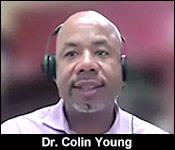
Dr. Colin Young, Director, Caribbean Center For Climate Change
"The longer we wait to transition the more expensive and the more difficult it is going to be. It also points to the fact that the issues are not so much now the technology but it's the political will. It's the political will that is needed in order to martial the type of interventions that are required to transition away from fossil fuels.
"So if you listen to the U.N. secretary-general remark he is saying that some of the larger countries are saying something but doing something else and certainly they are pandering to the lobbyists and to the special interests in the fossil fuel industry who are spending millions and billions of dollars in order to ensure that the status co. remains."
And every year that the global 1% refuses to risk their fossil fuel investments for climate change innovation they put more and more of the human race, especially those of us living in small island developing states, at perilous risk.
Dr. Colin Young, Director, Caribbean Center For Climate Change
"We will arrive we will overshoot 1.5 within the decade unless we take drastic cuts, and we've been saying this and we've been knowing this for quite a while but when you have 278 scientists from 195 governments across the world, 65 countries agreeing with the best available science that yes we are on this path then it helps. It helps to dispel the kind of fallacies and the kinds of special interest narratives that are out there trying to say that this is not an emergency when in fact we are in the middle of a climate emergency."
But what can you do? Well, you can start by spreading the message of the mitigation report especially the painstakingly done summaries designed and broken down by scientists specifically for policymakers like your area rep to absorb and take action on.
Dr. Colin Young, Director, Caribbean Center For Climate Change
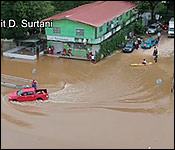
"Climate change is an existential threat for us in the region, the effects that people are seeing in our everyday life whether it is extremely hot daytime temperatures and nighttime temperatures, whether they are losing their property and the coastal areas to coastal erosion and sea-level rise, whether or not, the farmers are experiencing unprecedented floods or unprecedented droughts that are destroying their crops and whether or not we start to see the expansion of certain diseases and pests, all of these things are linked to climate change and as bad as they are now they are going to get worse unless we do something about it."