
These vast differences of opinion between the two sides have persisted for over a year. And as any regular news watcher will know, strife in the sugar industry - between these same entities - dates back decades.
So, with so little time left before the required start of the next crop season, it appears that they won't arrive at a signed agreement in time. That's what conventional wisdom would indicate, but if you ask ASR's Vice-President of International Relations, he'll tell you that there is more than enough time left.
The press challenged him on that optimism, and here's how he responded:
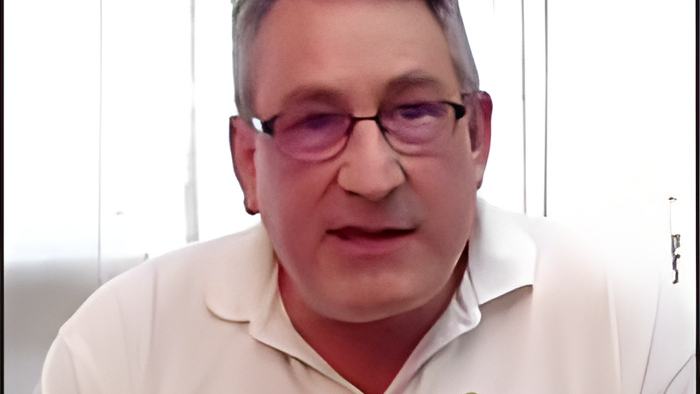
Malcolm "Mac" McLachlan, VP, International Relations, ASR/BSI
"I don't think there's any reason why we shouldn't have a long-term commercial agreement in place before the beginning of the crop. If people are reasonable, and if people are demonstrating common sense and rational thought, I really don't see why this should be an issue. I am not quite sure why it's taking so long. We have made it clear all along we, as a mill - the same as farmers - have come through a number of difficult years for the sugar industry because we are exposed to that 80% of the global market for sugar. So, that's what dictates our revenues. It dictates the cane price in the end. So, as a mill, we've come off the last five years of consecutive losses. So frankly, some of the demands that are being placed before us are not credible. I think if we can - maybe with the help of a sensible mediator, then maybe the two sides can look at each other's positions and come to a better outcome. I don't see any reason why that shouldn't be reached before the crop, to be honest."
Daniel Ortiz "From the mill's perspective, what happens if the next crop season starts and the BSCFA and ASR/BSI don't sign an agreement? Will you've been able to accept their deliveries?"
Malcolm "Mac" McLachlan, VP, International Relations, ASR/BSI
"No, it's evident [that] we can't accept cane without a commercial agreement because they'd be no way of paying for that cane. There's no commercial basis on which it could be processed. So look, I think it would be very much unnecessary to get to that point. That's what I've been trying to say, and we might call it optimism, or you might call it realism. It's in nobody's interest for there not to be a crop. It's not in our interest, and certainly not in farmers' interests. We've done everything we can, a demand comes to us that is completely irrational and without any justification."