Last week, we told you about the uneasy truce which the Belize Sugar Cane Farmers Association hammered out with ASR/BSI so that the crop could begin today.
For the good of the entire industry, these two stakeholders decided to put aside their commercial dispute and sign an interim agreement for one year. Unfortunately, they still cannot agree to a long-term contract covering their commercial operations. However, since the entire industry was at risk of being injured by their stalemate, they focused instead on sugar production and pursuing earnings on the crop already waiting to be harvested.
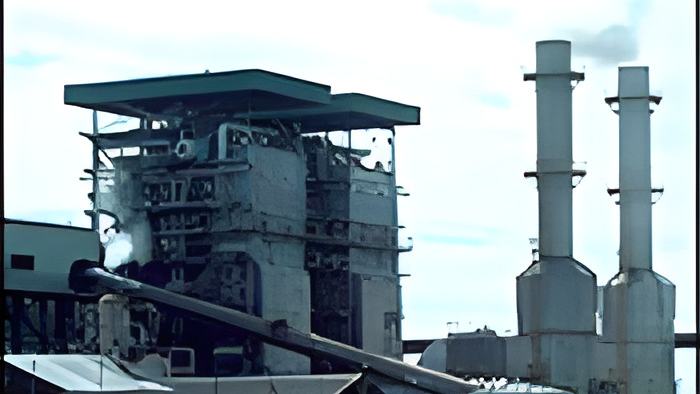
And then, Mother Nature put in her two cents with a very wet Christmas Holiday weekend, meaning farmers did not have time to prepare their cane stalks for delivery today. So, when the millers were supposed to start accepting cane this morning, they realized there was not enough volume to justify firing up their Tower Hill equipment for sugar production.
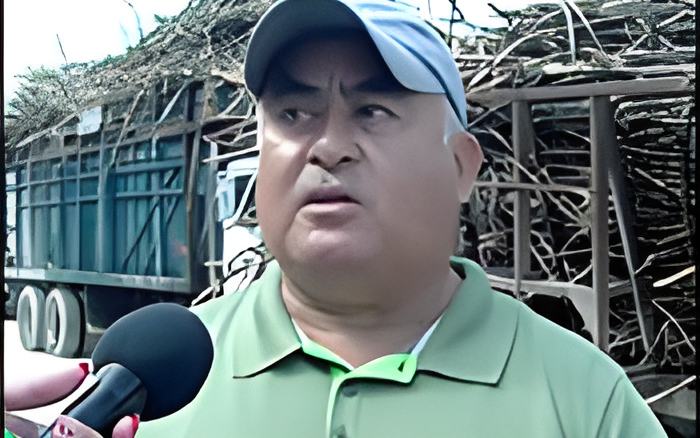
Still, farmers lined up to make their first delivery, which began at around midday today, instead of the planned 10 a.m. start. This afternoon, the leadership of BSI/ASR hosted a press briefing via Zoom to discuss the slow start. Here's what the manager of the company's Cane Farmer Relations had to say about the impact of the weekend's wet weather:
Olivia Avilez - Manager, Cane Farmer Relations, BSI/ASR

"We haven't started grinding. We have started to receive the cane and offloading. We haven't started grinding because what is important is that when we start, we don't stop. This is a big machine; of course, it's an entire system. So, once we start grinding, we want a steady flow. So, we are awaiting information from the SCPC manager, who is confirming the numbers from the cane farmers. But, we do have some from BSI's fields as well, which are ready to go, and as long as we are able to have good weather, I think farmers are able to burn and continue supplying, then we will go ahead. We estimate later today, maybe in the late afternoon, that we're able to start grinding."
Daniel Ortiz
"What are your thoughts? We all understand what happened and why we are just starting today. But give us an idea, if you can, as to the possible positive impact if we had begun on December 19, as BSI, Progressive, and the Corozal Sugar Cane Producers - I don't know if the third, that is not BSCFA, has pushed for the December 19 start date."
Olivia Avilez
"Well, technically, what is important in a crop season is the maturity of the cane, that the cane is to concentrate the sugar, and we're able to extract the maximum amount of sugar from the sugar cane. It is very important, number one, that we keep the crop in the cycle, and the normal cycle for cane and cane maturity is between December and May/June. What is really important as well is that we do this before the start of the rainy season, which is usually around May and early June. If we keep the cycle and the maturity of the cane within that cycle, we're able to optimize and maximum on everything. We're able to maximize the cane amount. We're able to maximize the sugar that comes in with that cane. And we're able, especially, to maximize the weather conditions that nature gives us."
The press also asked Olivia Avilez about the estimated quantity of cane in the fields, including stand-over cane from last season:
Olivia Avilez - Manager, Cane Farmer Relations, BSI/ASR
"The SCPC has made an estimate of around 1.3 million tonnes and a little bit more. Our perspective on that is, again, every year, we have an inflated production estimate. And again, this year, we think that there has been a lot of impacts from flooding and stand-over cane which will not yield production estimate. And we've also had some impacts from frog hoppers, which are one of the key pests in the industry. So, with all of that, our estimate is around 1.15 million tonnes of cane. When we lose, it's not just days. We lose the amount of cane, for example, if we had started milling on 3, 5, we would have lost that by six or by eight, whichever number that you use. What is worse, when you don't have your crop in the cycle is that you're losing sugar, and you're also impacting the following crop. For example, right now, the cane is already impacted. You have the stand-over cane that we didn't mill last year because we had a really late start again. That was several weeks. So, you have that cane that's already impacted, that's going to start to come into the factory. You have less sugar from the year before, and you're also having those fields being able to ratoon. And ratoons mean simply that when you cut it, it grows back like grass. So, you don't have that production. You don't have the sugar content that should have come in, and you also don't have the optimal time of that cane because the maturity of that is long gone. So, when you're calculating, or when you're looking at the impact of not starting a crop season in time, you have to look at all of those factors."