Last night, we showed you the strong rebuttal that the Chairman of BEL raised against the recent decision from the Public Utilities Commission.
BEL applied to the utility regulator and formally requested that they amend their final decision on the 2022 Annual Review Proceeding on electricity rates. The electricity company wasn't asking that your lights go up; they actually think that for the welfare of their customers and the health of business and productivity, they must work with the PUC to hopefully stabilize the electricity cost.
What they were seeking, however, is a future correction in the rates to account for some 43 million dollars in the cost of power that they will have to absorb to provide electricity at the current rates to customers up until June 2023.
Well, the PUC has reviewed their submission and calculations, and the regulator says they strongly disagree that consumers owe BEL that much money. In their initial decision, they do agree that customers will owe BEL, but they have reduced that amount by a massive 22 million dollars. BEL has written a response to strongly disagree with the PUC's determination, and that matter will now go through a process of re-review.
As you heard last night, Chairman Marshalleck insisted that this issue is technical and doesn't affect your light bill at this time. Here's how he explained why the company did not ask for an increase in electricity rates:
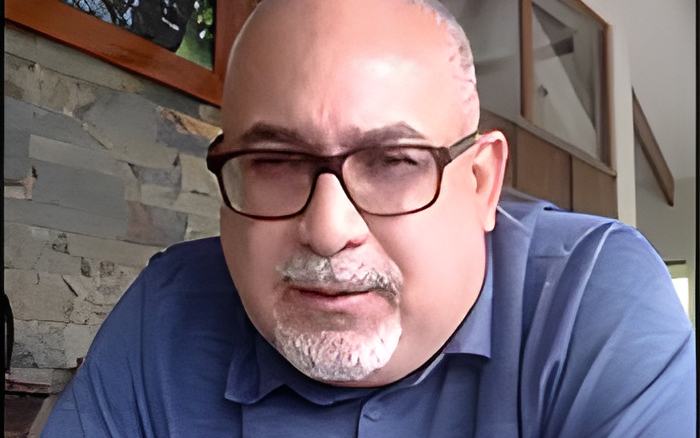
E. Andrew Marshalleck, SC - Chairman, BEL's Board of Directors
"We had to manage the effects of a hurricane through that period and you notice there isn't even the slightest mention of it, but we are coming off a year where the customer satisfaction rating for BEL is the highest it has ever been and in those circumstances you get a decision suggesting that BEL did absolutely nothing right at all during the year, but continues to employ its ingenuity to try to fleece consumers out of an extra cent or a dollar here or there when nothing could be further from the truth. I wanted to also emphasize how it is that BEL was able to maintain those low rates throughout 2022 without an increase in rates and what happened was simple: during the covid year the arrears, these are the amounts that customers were billed, but did not pay, climbed massively during that period and what we were able to do was to instead of increasing the burden on consumers to rates where they were and give them space to catch up with their arrears and we were able to collect on the arrears on an amount that far exceeded the value of the proposed rate increase. That is how we were able to do it. Now having already collected on those arears, you can't collect on them again for next year, so that strategy isn't available to us in the upcoming year. So, the real issue before us is finding a way to maintain those rates throughout that year and it requires some creativity on our part."