
body,td,th { font-family: Arial; font-style: normal; font-weight: normal; }
How many times have you gotten home after working all day and opted for take out instead of cooking dinner?
But what if you could have a home cooked meal without slaving over the stove?
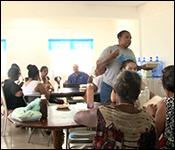
That's what the women of the CRASH project are trying to help you with. The project has the misfortune of a terrible acronym, but CRASH stands for The Capacity Roadmap: A Sustainable Hope program. And it saw fifteen women learning to preserve meats and fruits in cans for your shelves.
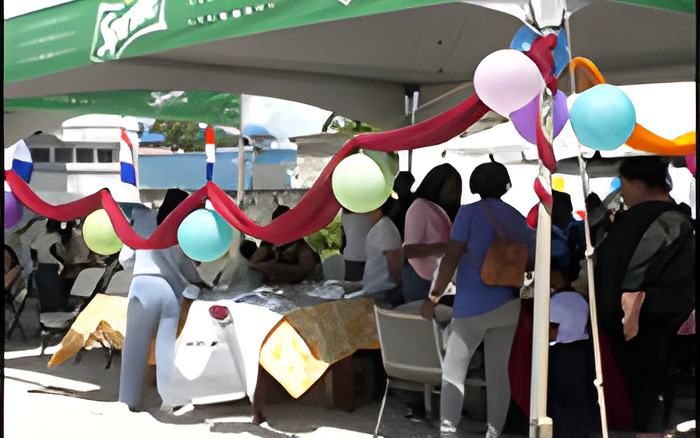
Today at the closing ceremonies, Courtney Menzies learnt more about this project that you'll soon start seeing in supermarkets. Here is that story.
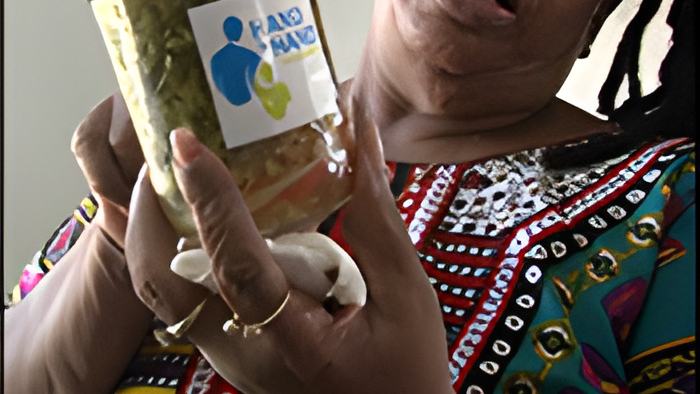
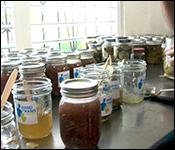
These jars contain red beans and beef already cooked and almost ready to eat. It's a ready made meal for anyone with a busy schedule. Those and the other jars containing various salsas, peppers and even pickles were made by the Women of the CRASH program who spent two weeks learning to preserve, can and even market their products.
Maggie Vargas, Development Director, Hand In Hand Ministries
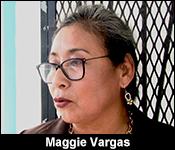
"Two weeks of intense training had to do with preserving of fruits, vegetables, meats, beans things that we eat every day or we put on our table every day. These ladies learned how to do that, preserve preservation. And for the most part, these preservatives or these these canned goods. They can be they have a shelf life of over a year."
"The first week was actual canning practicing theory of canning. The second week was the financial portion whereby the ladies learned how to do budgeting, you know, pricing, marketing, should they want to go in to open up their own small business, are able to do so because the second week was an intense course of where they learned to do all that."
And since everyday Belizeans buy some of these same products of supermarket shelves, Vargas is hoping that soon they can make the switch to supporting the woman entrepreneurs.
Maggie Vargas, Development Director, Hand In Hand Ministries
"Most of these women are very vulnerable. They don't have steady jobs or have jobs. But learning these skills, they will be able to to preserve these foods and even become small entrepreneurs to begin with. You know, and who knows? We go to the store, we buy canned goods. We buy all of these same things that the ladies did in one week. We go to the store and we buy them, so why not buy what they can produce locally? These are very safe and they are very healthy. Nothing in there is has much preservatives other than vinegar. You know, everything else is right. Fresh, fresh meat, fresh fruits, fresh vegetables. It's only the process that makes it healthier. You have two processes one, which is the pressure; Pressure Canning and the other one is a water bottle."
This project falls under the Enhancing the Economic Empowerment of Women project that was a collaboration between Hand-in-Hand Ministries, the Ministry of Foreign Affairs and the Taiwanese Embassy. It's an ongoing program that has assisted hundreds of women over the past two years.
Alexya Perez, Project Officer, MOFA


"It started in 2021, and over the past two years we have been funding trainings like this with different organizations across the country to help build the capacity of women in Belize. We hope that the project leads to more women being able to open their businesses micro, small and medium enterprises. We're hoping through the project, it was also able to give seed funding to some of the women to be able to bring their businesses to life. We're also hoping to go into a second phase to continue this project through funding, through other bilateral partners as well."
Irene Wu, Third Secretary, Taiwan Embassy
"It is really rewarding to see that they have confidence and then it's a growth in their not only personal development, but also they have the critical skills that they need to support themselves and their family."
While these products aren't available just yet, they're hoping to get them into stores soon.