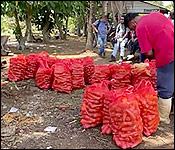
Right now, farmers in the north are worrying whether they will be turning a profit this carrot season. That's because their carrots aren't selling the way they normally do. By now, these farmers should have sold most if not all of their crop. But they haven't really sold anything.
And the farmers in the west shouldn't even have carrots on the market, but they do and wholesalers are still buying from them.
So what's causing this carrot clash?
Our news team went up north to find out. Courtney Menzies has this story.
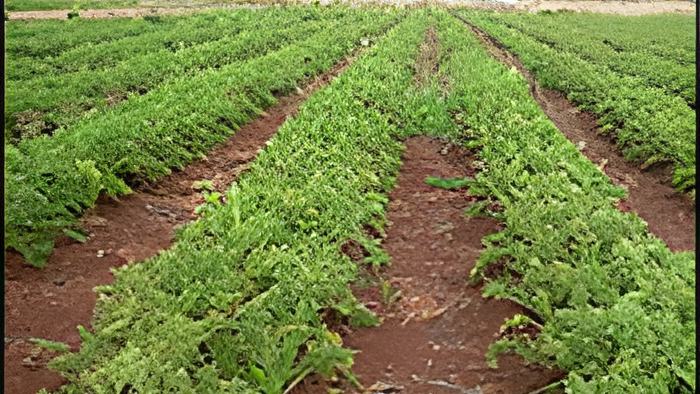
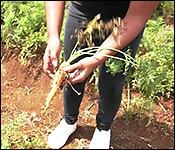
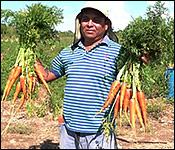
The carrots in these fields in Orange Walk and Corozal should have been harvested and sold by now. But they're sitting in the soil, slowly rotting.
The farmers in the north are confused why their produce isn't selling - and they believe the culprit is state sanctioned contraband.
Sabino Yam, Farmer, Patchakan
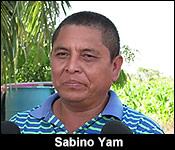
"One of the problems that we are facing right now and we have been facing I think also last year was one of the toughest years we had is that those middle men they are not buying from us. It is claimed, in quotations right, that they're not giving licenses to import but still we are seeing Mexican products on the market so what is happening? We want to know. And some of our farmers do have evidence that those importers they're bringing in stuff through the border."
Reporter:
"You mean the legal border points, not the illegal crossings?"
Sabino Yam, Farmer, Patchakan
"The legal crossings."
Courtney Menzies:
"So by now your entire farm would have been harvested?"
Sabino Yam, Farmer, Patchakan
"Yes, at this time I should have already sold them."
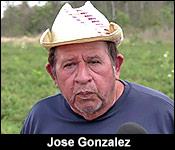
Jose Gonzalez, Farmer, Indian Church
"We've had our doubts, we have hetard that Cayo has carrots and so on but in the past, they used to buy 80-100 sacks from us now all of a sudden, they're just taking 25-30 sacks whenever they come so we have our doubts and we think that contraband has something to do with how they're not buying carrots from us right now. So yes we've heard about Cayo but we have our doubts about it."
And while those farmers are from Indian Church and Patchakan, the farmers in San Carlos refused to even speak to us because they've grown distrustful of the government.
And that's why the Ministry of Agriculture is clearing up the misconceptions, that the main perpetrator isn't contraband, but climate change.
Andrew Mejia, Ag. Dir. of Extension, Ministry of Agriculture

"The situation that we're having now is as a result of what we faced last year. During the months, from August to October, we had a drought preventing the farmers that were to plant early based on the schedule that they had created with the Ministry of Agriculture. After that we had an issue with flooding, that compounded the situation further so everybody started to plant around the same time from around the end of November to December, compounding the situation where now we have an overlapping of production. That overlap has created the issue we're having now."
Courtney Menzies:
"Why are wholesalers opting for the carrots in Cayo as opposed to the carrots in Orange Walk, is it that they are cheaper or better quality?"
Andrew Mejia, Ag. Dir. of Extension, Ministry of Agriculture
"Not necessarily, it's more about logistics. The Cayo market is closer to Belize City and these guys go to Belize City often so they just prefer to buy from that location."
Valentin Carillo, Administrator, BMDC
"I also heard that we have license right now and I came to clear it up, we are not importing carrots. From last year, I think November."

"It is hard to control contraband, but when it comes to BMDC, we are not part of that. Not even the illegal crossing of sugar across the border so that is what I want to make clear."
And the Ministry has assured them that they are taking measures to ensure this problem doesn't reoccur - both with the carrot clash and the contraband.
Andrew Mejia, Ag. Dir. of Extension, Ministry of Agriculture
"While we want to say that it's at the mercy of climate change, we also want to say that we will try our utmost best to ensure that the schedule that we put out there and the quantity that we plant, because that's another problem, we plan with the farmers, okay, you will plant 5 acres, you will plant 10 acres, at the end of the day some plant way more than they actually agree with the Ministry so there's a lot of do to on this part but the situation like this shouldn't be happening."
"What the Ministry of Agriculture has done is that we are in the process of reactivating our vegetable interdiction team that comprises of Customs, Immigration, police, Ministry, BAHA to see what is actually happening with this accusation, others we don't have any concrete information on that so until the team is activated, then we'll have a handle on what is actually happening but I can assure the farmers that the saturation is due to oversupply at this time."
But those assurances are little consolation to the farmers who are watching their produce rot in the fields.
Jose Gonzalez, Farmer, Indian Church
"It's normally a 4 month crop and then after that the carrots are not really as good as they should be so we think if it takes longer than four months to have in the field then it won't be a good crop after that."
Sabino Yam, Farmer, Patchakan
"I would put it maybe a month time more to go. At this time there are some spots that are already rotting but not that much due to the weather but I would say it would go like a month time more."
But since the Cayo supply is dwindling, the hope is that the northern farmers will start selling within the coming weeks - and preferably before the rains destroy the crop.
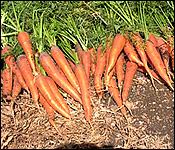
And if you want to make sure you're buying local carrots and not contraband, the farmers say the Mexican carrots look smoother and more polished than their ones.