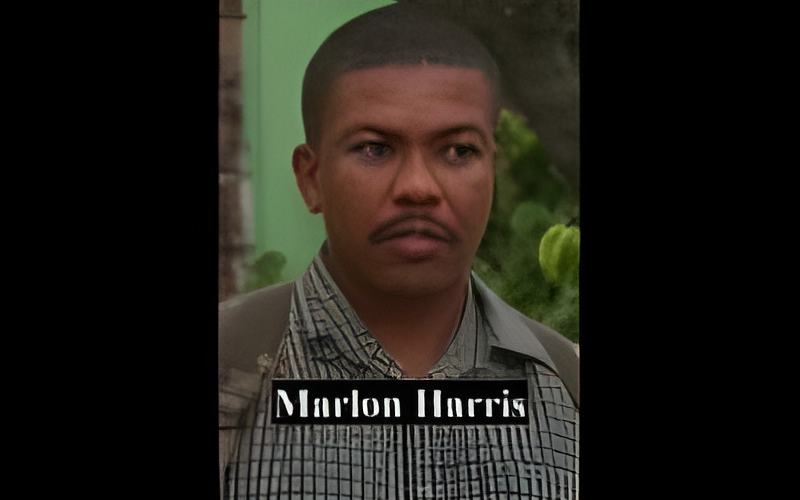
In October of last year when convicted rapist and parolee Barry Robinson was charged for a second criminal offence – the parole regulations came under scrutiny – with critics saying the system was too lax. Well, the Ministry of National Security has responded with the signing of a statutory instrument which enacts new prison rules, revoking the previous parole regulations. The new rules make it tougher for those who have committed serious offences to qualify for parole. Just before he signed them into law, Perdomo outlined the changes.
Hon. Carlos Perdomo, Minister of National Security
“Last year we had a quite a few complaints from the public in relation to the present system which allows any prisoner with any type of offense to apply for parole after one third of the time of serving their sentences. What we are doing today is we’re amending that to do a two tier system where persons convicted of serious crimes can only apply for parole after half of their sentence.
We are also adding a section where for people convicted of serious crimes like robbery, aggravated robbery, burglary, theft, and those types of serious crimes, rape, carnal knowledge – these people if by chance they are allowed some sort of consideration for parole, if they break the parole rules and are returned back to prison, they will serve the full term without any second chance for consideration for parole.”
Those with lesser convictions including marijuana possession, wounding and others will continue to have the opportunity to apply for parole after serving one-third of their sentence. According to a government release, the new rule also speaks of a provision where there is neither right to appeal to any authority nor right to apply for judicial review by a prisoner against the board’s decision. There is also a provisional criterion for non-eligibility of parole in the category of serious offenders in specific cases.