
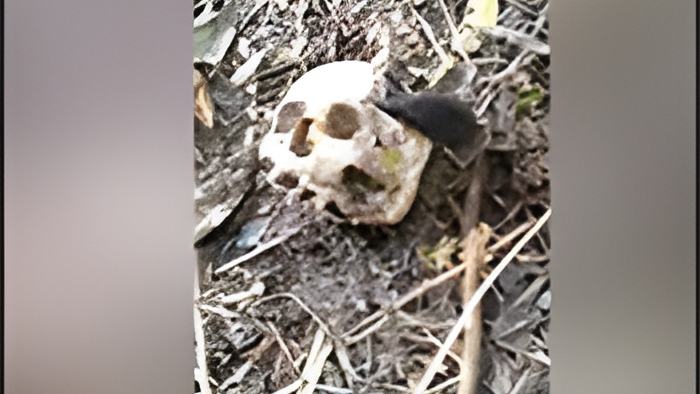
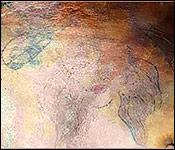
Last week we told you about the unidentified human remains of a man found on the Black Rock Road. At the time of the discovery, the cops said that they believed the remains to have been there for some time, having been brought to the river bank by the rising flood-waters of Tropical cyclones "Eta" and "Iota."
And while it was a case that seemed destined for the filing cabinet of unsolved mysteries, science has been able to shed some light on a particular identifying characteristic of the victim. We heard more from ACP Myvette earlier today.
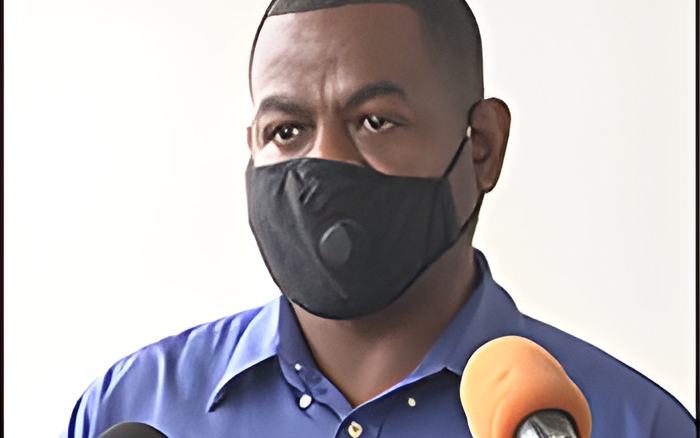
ACP Joseph Myvette - Head NCIB
"In reference to the decomposed body that was found on the Black Rock Road in the Cayo district. Forensic doctors were able to reconstruct and lift a tattoo that was on the right chest of that person. So, that tattoo will be shared with the media so that we can be able to try and ascertain the identity of that person."
We reached out to the forensic team for comment, and they told us that they were able to make the tattoo visible by employing a technique pioneered by a Mexican doctor, one that allowed them to rehydrate tissue using a buffer solution in order to obtain images of tattoos and scars.