
If you follow the news regularly, you'll have noticed the increasing number of high-profile cases that ended in a conviction based on solid and indisputable forensic evidence.
In July of this year, Paul Jex Jr. was convicted of an outrageous rape of a female victim whose family was held hostage in a major burglary several years ago. The primary evidence against Jex was the DNA evidence and the forensics analysis. Also, in December 2019, William Danny Mason and his co-accused Ashton Vanegas, Keiron Fernandez, Terrence Fernandez, and Ernest Castillo were convicted of the 2016 beheading murder of Pastor Lewellyn Lucas. DPP Cheryl-Lynn Vidal convinced the presiding judge of their guilt based on circumstantial evidence, which DNA and electronic evidence significantly bolstered.
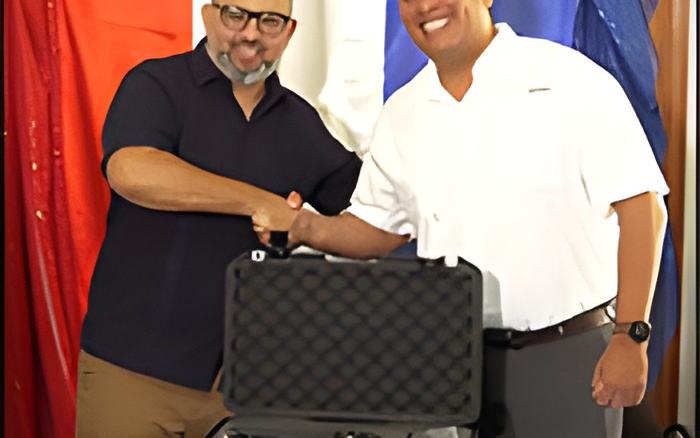
The government is well aware of how crucial forensic evidence is to successful prosecutions, and that's why they want to increase the capacities of the different law enforcement agencies to collect this type of evidence. During our conversation with the Home Affairs Minister - whose first degree is in criminology, he discussed the long-term plan to continue diversifying the evidence that makes up criminal prosecution attempts:
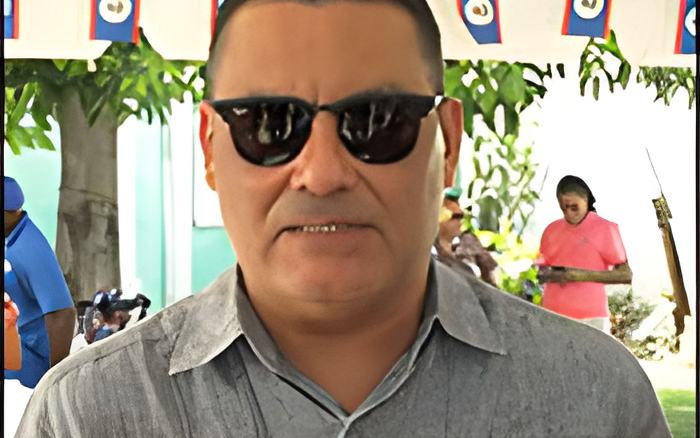
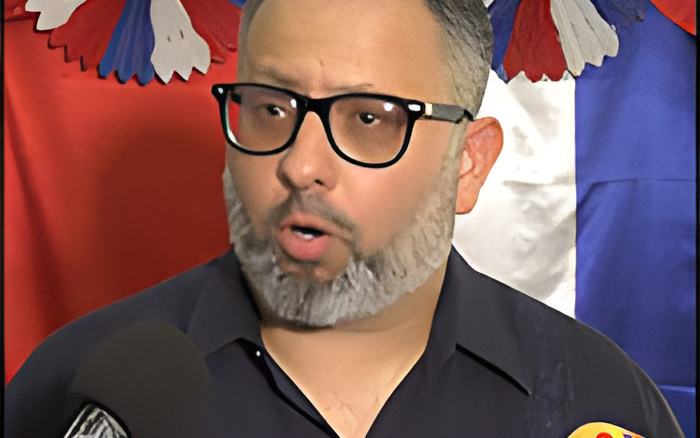
Kareem Musa - Minister of Home Affairs
"A huge part of our Plan Belize manifesto, as you would recall, Daniel, is the fact that we are now moving greater on greater reliance on innovation and technology. And the donations that we receive today are part of that process that we are moving towards getting the necessary equipment that will be game-changing for law enforcement in Belize. As you know, traditionally, police rely almost exclusively on eyewitness testimony, but we are now diversifying the evidence that we are gathering. And so what we have here today is a huge game changer. We have the field test kit that will now be used out in the field by our law enforcement agencies, not just the NFSS but also our ANU officers. Even the Customs Department can have access to it. It is certainly going to be able to test any type of substance that is detected and yield almost immediate results. So that is a huge game changer. On, of course, the refrigerator that we have here. But that is only one small aspect of this $60 million loan that we are investing in law enforcement in Belize. So the Belize Defense Force, the Coast Guard, the Belize Police Department, and also the NFSS will be huge beneficiaries of equipment, infrastructure, camera systems, motor vehicles, you name it, to enhance our law enforcement capabilities and certainly strengthen us so that when we get before a court of law, we can deliver that type of evidence. You don't have to look very far in recent history; in the last couple of months, we've had great success using the services of the NFSS. Just I think a month or two ago, we had a conviction in the Supreme Court that was based on DNA analysis for a rape victim, and that person was sentenced to life in prison. So, that's a huge success story. Similarly, with ballistics, when we do the analysis of guns: firearms, and ammunition, we are able to trace which firearm of the particular bullet came from. We recognized even before the elections that this is the direction we need to go. It cannot be strict reliance on just eyewitness evidence. And as you can see now with the cameras, we're going to be getting 50 cameras actually this morning. CABEI will be going over to tender. I think we have approximately ten different sources that have bid to provide these 50 cameras that will go to Belize City, again and again, enhancing the type of evidence that we're going to be getting in the court."