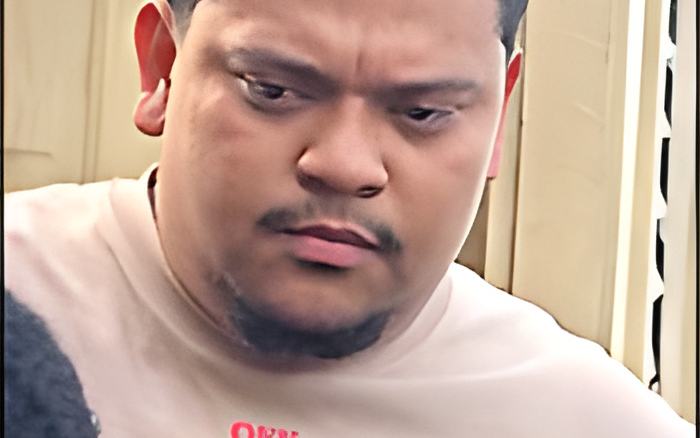

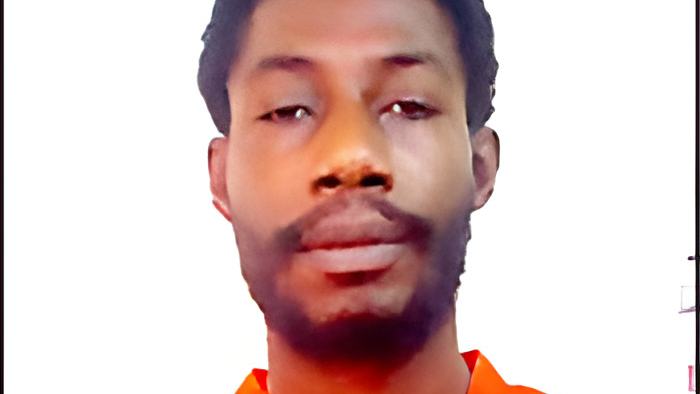
He was sent to jail for three months - but 30-year-old Nyere Parchue will spend a lifetime paralyzed after he was shot by prison guards during an attempted escape.
And now the Office of the Ombudsman has concluded that the use of lethal force was unlawful and that systemic failures at the prison contributed to the outcome.
According to an Ombudsman's report, Parchue, who was serving a sentence for drug possession and damage to property, attempted to escape on August 12, 2025. At the time, Parchue was housed in the Tango 2 section, a low security area.
On the morning of the incident, Parchue entered an area described by prison officers as a "restricted area," though the Ombudsman noted that this zone was not marked with any signage or visible indicators. Three tower guards reported that they issued verbal warnings and fired warning shots after seeing Parchue in the area.
Despite these warnings, Parchue continued toward the perimeter fence. Officers deemed his actions an attempted escape, and fired a live round, striking Parchue in the back of his neck.
Parchue collapsed and was retrieved by the prison's Quick Response Team, which transported him to the prison medical unit in the back of a pickup truck and then took him to the KHMH. He is now paralyzed as a result of the shooting.
The Ombudsman's investigation found that Parchue was unarmed and was unlikely to have had any weapon in his possession. The report concluded that he did not pose a threat of death or serious injury to officers or other inmates.
The Ombudsman determined that the use of lethal force was not justified and that non-lethal alternatives were not provided or exhausted. The Ombudsman also concluded that the officer who fired the shot acted under an unlawful order and he recommended further legal and disciplinary action, including possible criminal liability.
The report also highlighted broader concerns, finding that:
- As an inmate and ward of the State, Parchue was owed a heightened duty of care.
- The use of lethal force was disproportionate
- The Belize Central Prison failed to provide adequate medical care and casualty handling in the immediate aftermath of the shooting.
- Systemic deficiencies in training, procedures, infrastructure, and equipment materially contributed to the harmful outcome.
The Ombudsman ultimately concluded that Parchue's severe and permanent injury was the result of preventable failures within the prison system. His report was concluded in November and it was sent to the prison, the COMPOL, the DPP and the AG.