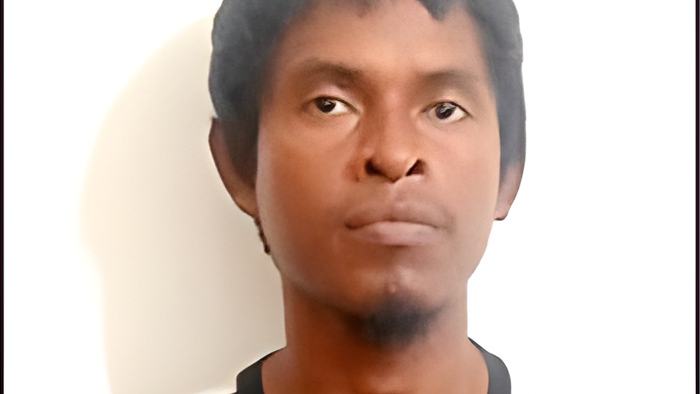
Those in the know would suggest he's at the top of that network - but, that aside, that platform was used to identify the victims. And, when his attorney requested to have the victim give her testimony in open court and not "en camera" or closed court - it sent a signal that it was gloves off and that the blanket protection which is always automatically afforded to victims of sex crimes, might not apply in this case. We asked his attorney why she went that route:
Alifah Elrington, Attorney
"We are talking about victims rights, I have no difficulties with victims rights, victims rights should happen from the inception from the time a victim comes then you invoke those rights you protect them and you do what you have to do to take care of them not trying in any way trying to take away from the defendant's rights. So we are already in a situation where the defendant is not going, nobody is going to hear the defendant's side except a judge and we are not allowing the public who has said so many different things to actually hear what it is that my client was accused of. Man, Channel 7 put out the release in relation to the nolle prosequi and the comments underneath it, the comments alone I am sure persons will continue to say that there was some pay off, there was some victimization, there was some whatever in relation to this matter and that is why we were fighting to have it open, open so everybody knows and understands what transpired."
"The reason why we fought so hard is because the facts of these cases, this particular case is very different from any other case, alleged rape case that you would have even the case that they made reference to, Whitfield Flowers, that case spoke of such violence such degradation to a woman that I can understand why is it is that you would have wanted to do that en camera, this case is different. There is nothing that spoke to trauma, there is nothing that spoke to any degradation, nothing that spoke to violence there is nothing that spoke to force. All things that you would want to say yes I can understand a person going through a traumatic experience recounting this evidence there is nothing to that effect but we to just assume that well it is going to be en camera because it is going to be easier for somebody to tell the story that is not how it is supposed to be."
Today in court Justice Nigel Pilgrim offered to give his ruling on that preliminary matter but the defence declined.