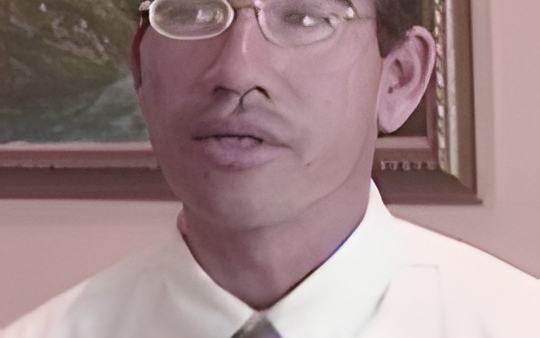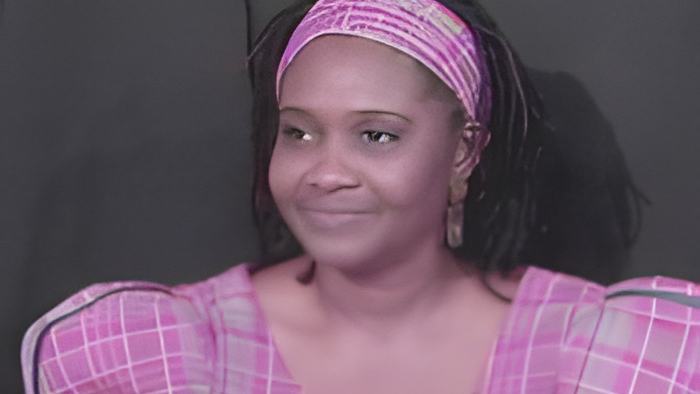
Jo-Ann Richards is a Jamaican ethnomusicologist and she's here to give lectures on the theme: singing our own songs, how to maintain our musical identity in the face of globalization. Basically that means promoting culture and cultural preservation through the use of native languages in song lyrics.
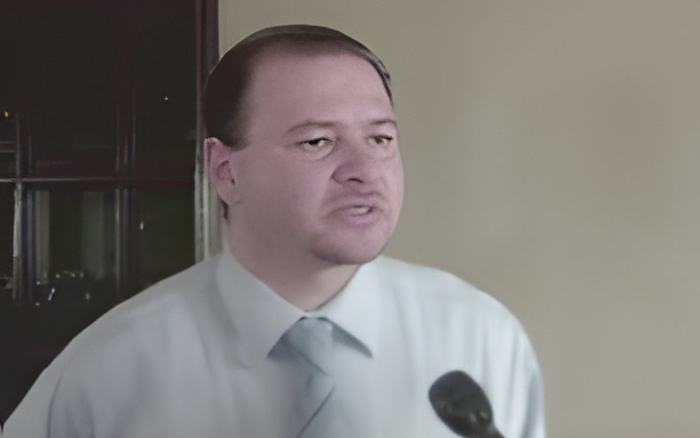
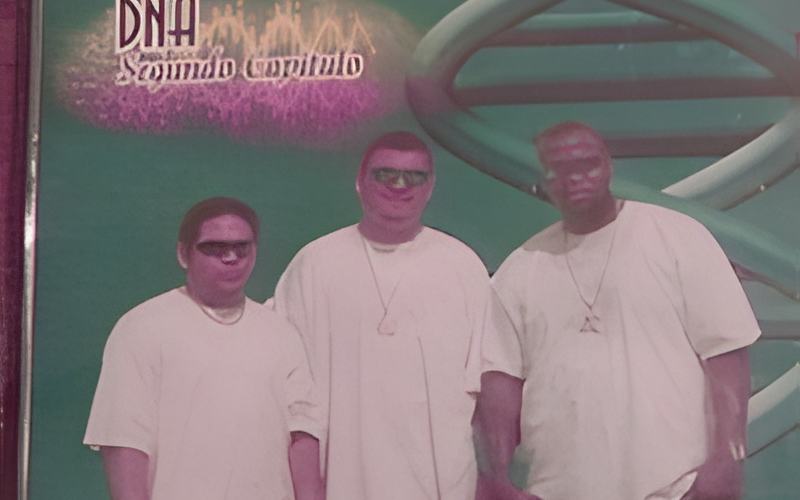
It's particularly relevant in Belize where the popular music industry is flooded with new releases, but many of them slavishly imitate Jamaican and North American styles of music and singing. It's something like what emcee and DJ Kenny Morgan calls 'Ja-fake-ans,' Belizeans who sing using a fake Jamaican accent instead of singing in their own Creole. Richards commented on that and many other musical and language issues.
Jo-Ann Richards, Ethnomusicologist
"I remember when I was studying, when I was studying piano, and the whole thing was this is the culture of this kind of music so you have to do it this way. But there was always something in me that was kind of rebelling against that; why can't I make it my own. Last night I gave the example of the son that used to sing in Sunday school. [Singing.] And it came out with a European or American background and we used to sing it that way but after a while people were like, if I Jesus is mine, I need to really make it mine. {Singing.] Until eventually they say the language is still not ours. [Singing.] And you can make something that is originally from somewhere else your own by adjusting certain things; rhythmically, linguistically, it can be done."
Jules Vasquez,
Because the idiom of dancehall and reggae music is controlled and mastered by the Jamaicans, invariably when one does dancehall or reggae music, one takes on the Ja-fake-an accent. A part of what this entire lecture circuit about is saying that we should sing our own songs in our own accent.
Jo-Ann Richards,
"Okay let me not say that you ought not to ever sing anybody else's music and in doing so take on their thing but that you really ought to spend some time developing your own thing as well so at least there's more of an identification with who you are because one could totally move over into the Ja-fake-an thing and lose yourself and you don't want to do that."
Jules Vasquez,
But how do you rap in Creole?
Jo-Ann Richards,
"Try it. Anybody ever try it? I think somebody needs to try it. Yeah. I just think somebody needs to try it. One musicologist said once that its through musical and cultural performance that a group or a society explores, affirms, and celebrates their identity and I therefore believe that if we are not all going to get sucked in to one big thing, we're going to have to take a stand to maintain our musical heritage."
Jules Vasquez,
It can be argued that in fact we're trying to, it's a sort of nostalgic necrophilia to say let's keep the brukdong music alive. No, that time is passed and some things have to die because the culture is no longer here so it only exists as a fond antique."
Jo-Ann Richards,
"What I'm saying is there must be a line of heritage that you can trace from where you are now to where you are coming from even before the logging. What is it that is continuing that we're going to now add as an ingredient to what we are now creating for the future. Do not believe that you are less than what you are because you are not but what you believe you are, that's what you're likely to remain."
Richards will be participating in lectures and workshops in Belize until the end of the month. She is here in association with the Belize Kriol Project. She has worked extensively worldwide to translate scripture into music sung in indigenous languages.