Imagine having to tell the difference between a $2 dollar bill and a $20 dollar bill without any visual information, just having to go by touch and feel! That's just one of the many challenges of everyday life that the around 2,000 visually impaired persons living in Belize struggle with on a daily basis while trying to live independently.
But with the release of the new currency notes, features were added with the blind in mind. The director for the Belize Council for the Visually Impaired, Carla Ayres Musa explained to us how it works.
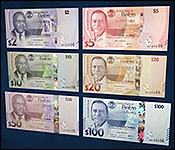
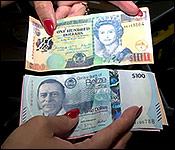
We have shown you the new currency notes and all their embedded security features and other prominent identifying characteristics. But what has gone largely unnoticed or unmentioned is that it also has an identifier for the visually impaired. It's something Carla Ayres Musa the director for BCVI says is long overdue especially given that one of the men on these new notes was blind.
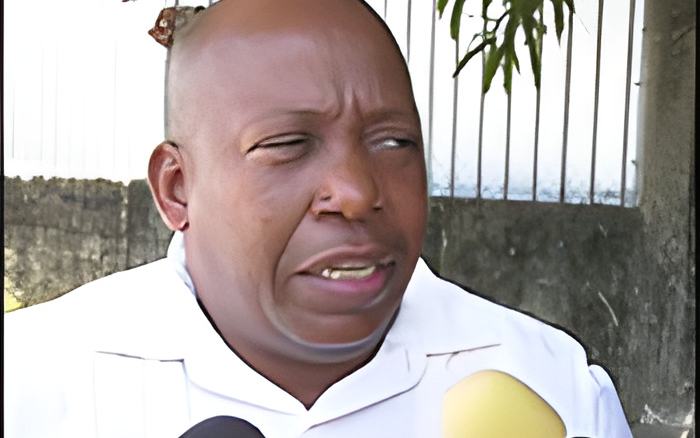
Carla Ayres Musa, Executive Director, BCVI
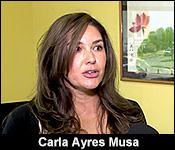
"So BCVI was quite pleased when we learned last year that they were considering issuing new money I think for us it has been a constant challenge and for our clients as well a life long struggle trying to adapt to a life where something as basic as money you're not able to tell the difference so we have had lots of different tips and tricks on how to do that and when we heard about this I just did a Facebook post saying if Phillip Goldson is going to be on the face on our money considering that he himself was blind and this was something that would have been incredible for him to have seen in his lifetime we should have something on the bills that would make them identifiable for people who are blind. So we didn't have much to do with the decision on the features but we were pleasantly surprised to learn that it actually did happen and the money was printed that way."
"Each bill has on the left hand side of the face of the bill a line and that line is raised or embossed, and so if you run your fingers on the side of the bills you can feel different numbers or markers for each bill so a $2 bill has one line, a five dollar bill has 2 lines a ten dollar bill has 3 lines or a $20 bill has four lines rather so you can teach people what those indicators are and they can very easily feel them on the new notes."
It's a major step towards inclusivity for the visually impaired who are often vulnerable to cash confusion, especially when no one they trust is around to assist them.
Carla Ayres Musa, Executive Director, BCVI
"It was very difficult so if you imagine going to a grocery store you cant see anything and you pay with a $50 and your bill was $20 how can you trust that the person giving you your change is giving you the correct amount of change. There was nothing identifiable on the previous bills for people who are blind so we would teach them how to fold bills in different ways you might fold one in half you might fold one in thirds you might fold the ear of one then when you're receiving your change you know you kind of have to start all over again so it really has been a challenge."
"I think when we are looking at true inclusion and inclusion for people with all disabilities we are very quick to say that we live in an inclusive society but when you think about money, about purchasing things about paying bills about going to the grocery story and getting your change back or being able to pay comfortably and easily there is nothing more restrictive than not being able to do that I think this opens up a whole new avenue of independence for people who are blind or visually impaired being able to have that confidence that they know what they are paying with and being able to check what they are receiving back when they are dealing with money."