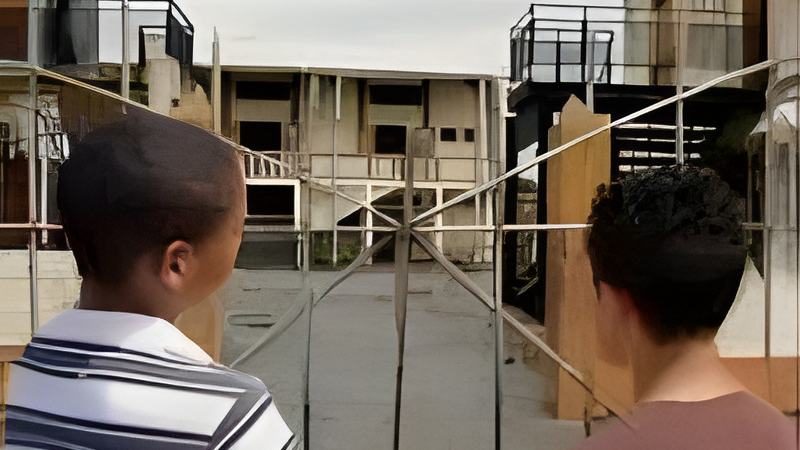
Males in primary and high school have higher dropout rates than girls. Anyone familiar with the rebellious, often defiant, and sometimes destructive behavior of boys and young men, might not find this altogether surprising. But now experts are saying that what begins as a school dropout soon becomes a castaway from society. Later on, that works itself out into all kinds of anti-social behavior and law and order problems - the same problems that we report on every night in this newscast. But tonight, we examine that problem from the other end: instead of the effects of years of alienation from formal structures, we'll look at the causes. And we do so through the prism of a sub-regional meeting organized by UNICEF which examines the complex subject of boys and education.
The experts asked "what is happening to boys in the educational system and what can we do about it?" Tough questions and we went looking for answers.
Jules Vasquez Reporting,
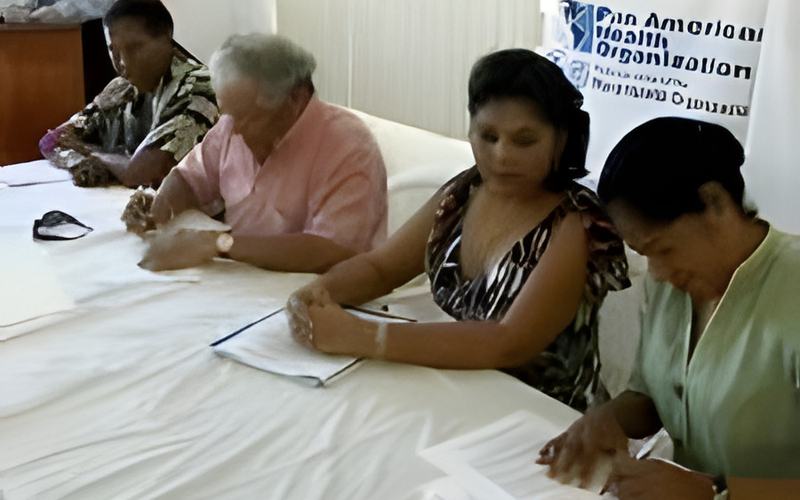
"The problem of boys and education" - that's what these 30 technical professionals in the education sector from CARICOM countries will discuss for the next two days.
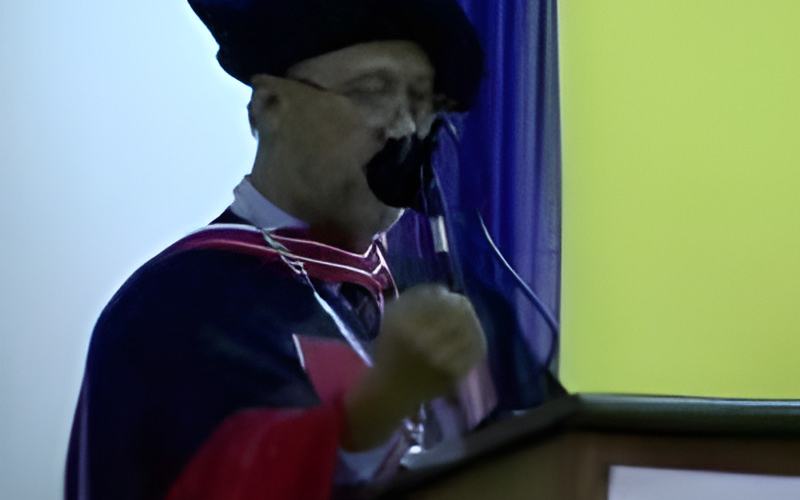
Barry Chevannes, Dean - Faculty of Social Science at UWI
"We have problems of enrollment and attendance which does affect boys to drop out of the system in the secondary and primary systems at all a rate that is greater than the females. So it is question therefore of how to retain

the boys in the education system and how to make the system more responsive to their interests."
But while the problem is about education, it's not an educational problem - it is economic and social.
Barry Chevannes,
"That's what this seminar is about, it's a problem of the male child, the problem of socializing them, preparing them to become adults and it really is, the education system is, you're right that it is the first in a step and series of alienations and being alienated from the education system means being held alienated from one of the main institutions of socializing. So when you miss that, then that's where the deviance begins."
So this conference about boys is really about men - and the anti social behavior they sometimes exhibit that has its grisly manifestations in the headlines we see every week. But what ends in these desperate acts begins in the classroom. And these experts say education doesn't interest boys because in a material world where cash rules everything around them, education represents the slow lane to what society deems as success.
Prof. Barbara Bailey, Dir. Center of Gender & Development Studies - UWI
"Why do we go to school? Well we go to school for many reasons, for intrinsic reasons but I think one of the most important reasons is the preparation for the world of work. Now if there are messages that are being sent to you

daily that you can't get work without being certified, then I think that raises a dilemma for our boys.
Boys from the lower socio-economic groups recognize the inability of schooling to connect them to real prospects in the world of work and many opt to withdraw both physically and psychologically from the system because for them education has little functional value."
Barry Chevannes,
"The world, particularly in the west, has become extremely materialistic. That money is what talks and that projects an image of wealth. If you have the wealth, then all things can follow. You don't have to have the education because then you can buy the education, you can buy people to work for you who are educated if you have that wealth and power."
And that same wealth and power is used to woo women. And a large part of the males role in society is to engage the opposite sex - thus the correlation between sex and success.
Prof. Barbara Bailey,
"And you cannot get away from the whole importance and centrality of the concept of the male provider. You must be able to provide certain favors for girls if you want to keep a woman."
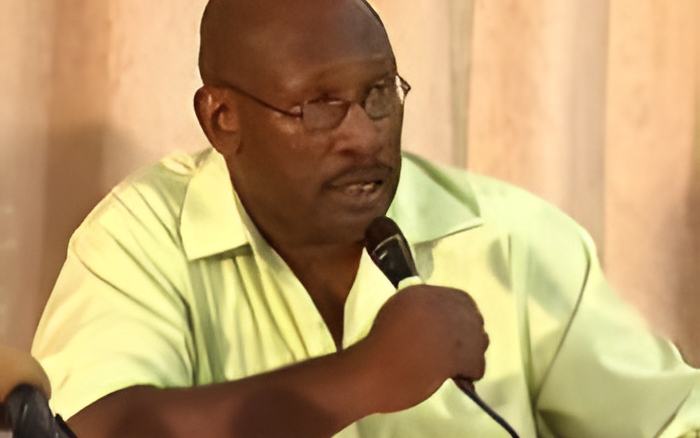
Rana Flowers, UNICEF Country Representative
"In terms of the expectations that boys have, the pressure they put on themselves, their expectation that they must earn, that they must earn quickly, that certainly by earning quickly, that they will get the women."
So between genetic and social programming that demand dominance from males where does the measured wisdom of an education fit in?
Barry Chevannes,
"We face a very difficult challenge really. It is how to turn things, shift things a bit so that more and more our young people can see that there is greater cost benefit to an education than there is a loss to it."
It's a tough sell in a society driven by material-based success - but this group believes this event represents a serious opportunity to make a difference.
Rana Flowers,
"We've got the knowledge, we must move to action. We cannot afford, our communities cannot afford, the children themselves cannot afford to continue to pretend that by making a little change here, a little change there, that that is going to impact on boys and girls' right to education. We really do have to rethink it."
Barry Chevannes,
"I don't reckon that we're going to solve the world and the problems of the world in two days but we shall certainly, I hope, come up with some important recommendations that can be, when you look back ten years down the line that this was a defining moment for us here in Belize City in 2007."
The recommendations developed from this conference will be forwarded to policy makers at CARICOM meetings to be held early next year.