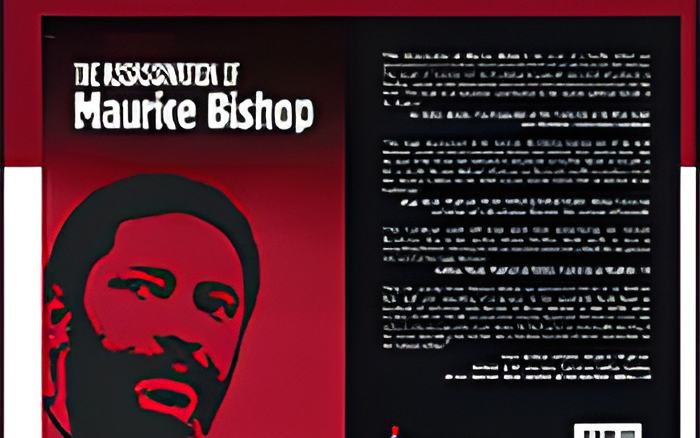

And, largely, that book and the discussions around it are about shaking off the shackles of colonialism, and neo-colonialism - and finding new political and social systems more relevant to developing nations.
That was also the subject of the 7th Edition of the Belize September Lecture which was held yesterday. It's called Decolonizing an Independent Belize - and this year - due to COVID - it had to be held on a Zoom platform.
Still, the event was loaded with perspective and went on for three hours plus. Here's a few quick clips.
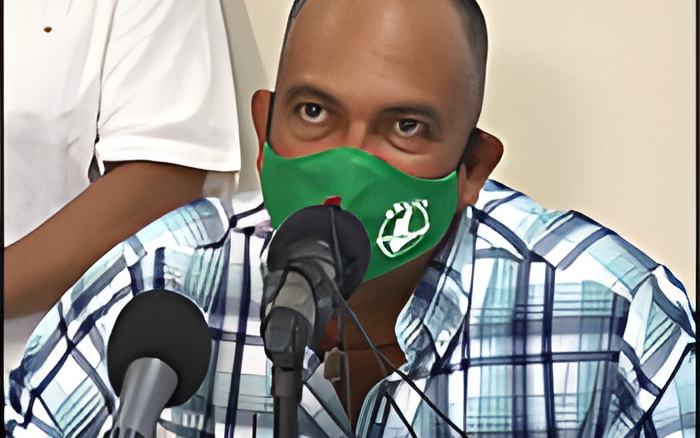
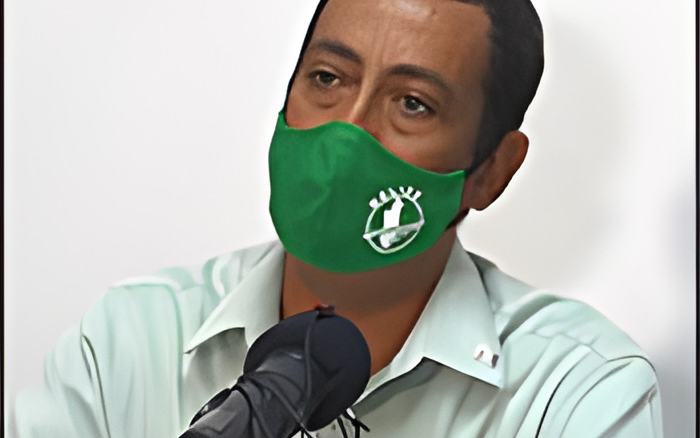
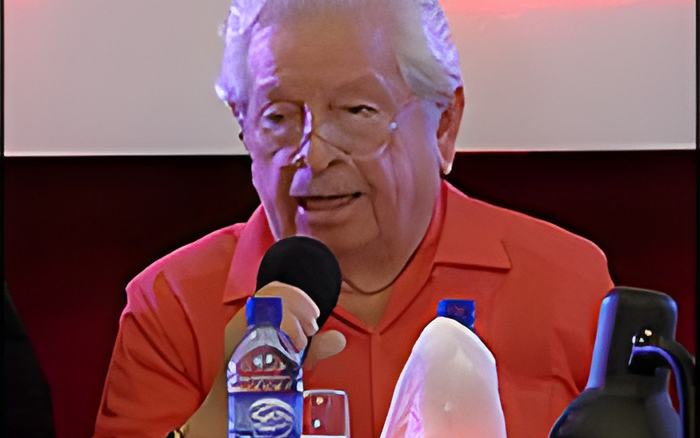
Ifasina Efunyemi - Presenter
"The question we must now ask is to what extent have we truly departed from colonial rule and all that was imposed on us by the British. The relevance of this consideration, this analysis is to assess out independence at 39. For the master's tool will never dismantle the master's house. They may allow us temporarily to be beat him at his own game but they will never enable us to bring about genuine change."

Delmer Tzib - Presenter
"The fact is that political independence in 1981 did not give us independence of the mind and we must start a process to deconstruct, reconstruct and recast our sense of being."
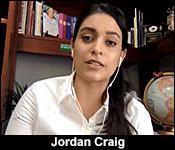
Jordan Craig - Presenter
"I challenge you all to think of sovereignty beyond just Belize and Belizean using our institution to make decisions. It is also our collaborative work with like-minded partners but the challenges to our sovereignty that come with internationalization when countries with different interest from ours challenge us to make choices that are not in our interest and that often happens with the western countries that exert their influence and power over us and diminish our sovereignty."
Also in the question and answer section, one of the presenters was asked about areas where the country's education system is being held back due to inherited colonial structures. Elmer Tzib is a history teacher at Saint John's College, who played a very important role in the development of SJC's curriculum for African and Mayan historical studies. Here's his take on how our colonial ties are negatively affecting the education system:
Delmer Tzib
"So, one of the things that we need to do is to broaden the definition of what education means. Because, in indigenous forms of education, talking - as Ifasina mentioned earlier, oral accounts, sharing stories, and teaching children certain skills, that was all part of education as a whole. So, when we talk about changing the education system, we also need to take a look at that particular aspect, where teaching - but not only teaching to think, but teaching to also say, hey, education is not only housed within this classroom. The second aspect of it is we also need to give respect to indigenous knowledge. Now, I know that some institutions are trying to put in some indigenous knowledge within the curriculum. But, even that, if you look at it from an objective standpoint, the indigenous that is being incorporated is not necessarily given the same value as the other western knowledge that is being incorporated. For example, I know of schools that try to teach the Maya language in the classroom but that is just 1 session that they teach the Maya language. Yet, all of the other classes are given in the English language. So, you see this is not the same value given to both languages."
See the lecture here: https://youtu.be/D2ei3ED-SuM