
The Statistical Institute of Belize has released its latest figures which provide a snapshot of the slow economic recovery during these COVID times.
We'll tell you all about the 8.4% GDP downturn when compared to the same time period last year. But, we report first on SIB's latest study on poverty. That data comes from their 2018/2019 Household Budget Survey, and this analysis provides the most relevant Pre-COVID research on the nation's alarming poverty rate.
SIB is estimating that a little more than half of the Belizean population was living in poverty back in 2018. That's actually an increase from the 41% reported in the last poverty analysis, which was done back in 2009.
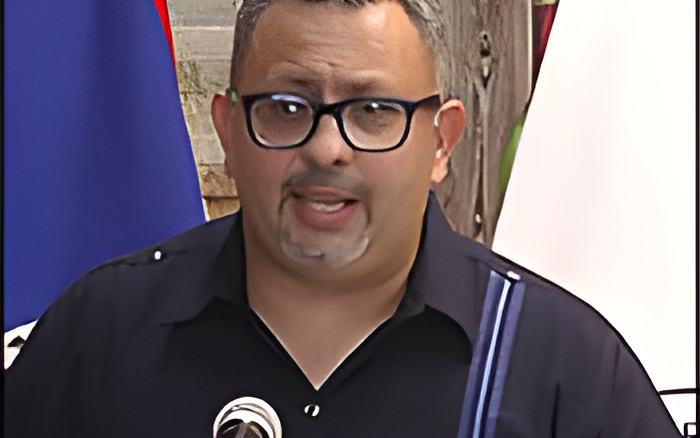
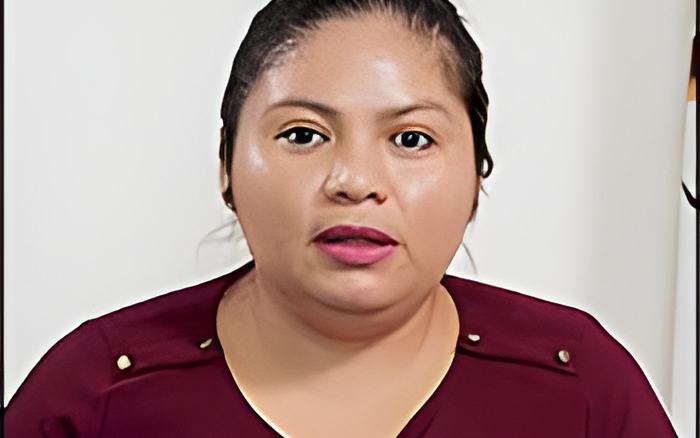
During a SIB press conference today, Statistician Curwen Arthurs provided more insight into the topic:
Curwen Arthurs - Statistician I, SIB
"In 2018, there were approximately 106,202 households, and from and from these households, the population was approximately 389,235. The average household size was able 3.7 individuals per household."

"In 2018, there were approximately 201,616 individuals that were living in poverty, meaning that about 1 in every 2 individuals were living in poverty, resulting in a headcount ratio of 52%. This was a significant increase from the 136,640 poor individuals and consequent headcount ratio of 41% in 2009."
"In 2018, the average shortfall of the poor from the poverty line was about $1,450. As we can see from the chart, a poverty gap of about 18% of the cost of the poverty line. This meant that it would have taken about 18% of the cost of the poverty line to eliminate poverty in the country, a significantly higher amount than the 11% poverty gap in 2009."
"Looking at income inequality, the GINI index is a measure of the level of income inequality within a country. With an index of 0, it means there is no inequality, and an index of 1, it would mean that there is complete inequality. As we can see from the chart, in 2018, the Gini index was about 0.49, meaning the level of income inequality in the country was not extreme. This index was within the acceptable international range of 0.3 to 0.5 However when compared to the index of 2009, which was 0.38, we see that there is an upward trend toward more severe levels of income inequality."
"In 2018, similar to the headcount ratio, the poverty rate was about 52%. Again, this marks a significant increase from the rate of 41% in 2009. Meanwhile, the indigence rate was about 9%, a significant decrease from 16% in 2009. This is encouraging, showing that despite the overall increase in the poverty rate, there were fewer individuals living in critically poor situations. In terms of those vulnerable to falling into poverty. There are about 42,590 individuals in this category in 2018. This was a slight decrease from the 45,614 individuals falling into this category in 2009."
"In 2018, the Toledo District had the highest poverty rate at about 82%. Toledo also experienced the largest change in rates since 2009, increasing from 60% to 82%. The Corozal District had the lowest poverty rate at bout 45% in 2018 and was the only district that experienced a decrease in its rate."
Again, that was a Pre-COVID study, and if the former Barrow Administration Unemployment Relief Program is a good reference point, those poverty numbers surely increased last year during the height of the pandemic's negative effects. You'll remember that up until October of last year, the then government approved 42,575 applicants for unemployment benefits to aid all those Belizeans who lost their jobs when the COVID first wave arrived on our shores.
Today, the press asked if the SIB will be able to track poverty rates from 2020 and 2021. The Acting Director-General took that question and explained that this type of study is very costly:
As you heard, the SIB wants to conduct an updated study on poverty later this year when they carry out their next Labour Force Survey.