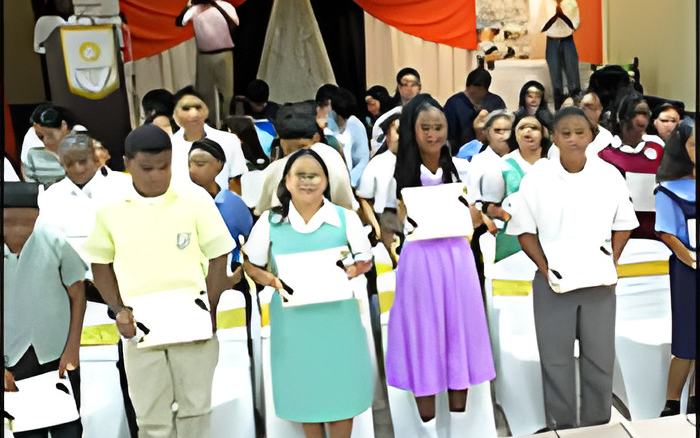


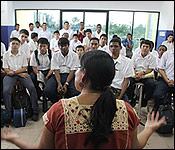
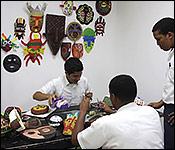
The Ministry Of Education is this week commemorating 5 years of its Belizean studies curriculum.
That curriculum, a fusion of history, social studies and everything in between, was dreamed up by an expert educational board and designed to bring a greater self-awareness to Belizean students.
And after 5 years in the classroom, we wanted to find out what the curriculum's designers and the educators who teach its coursework feel Belizean Studies has done for Belizean students.
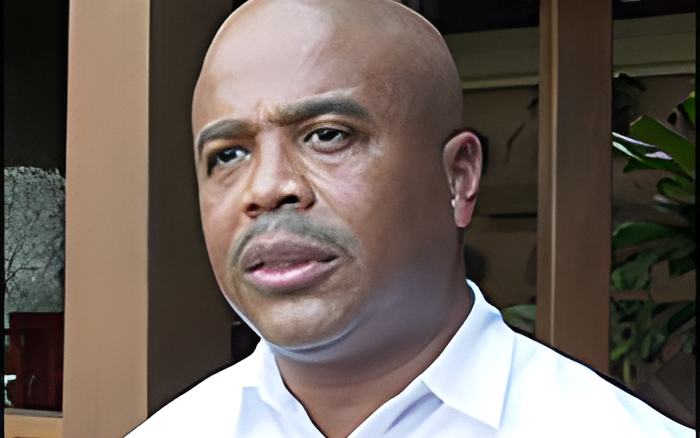
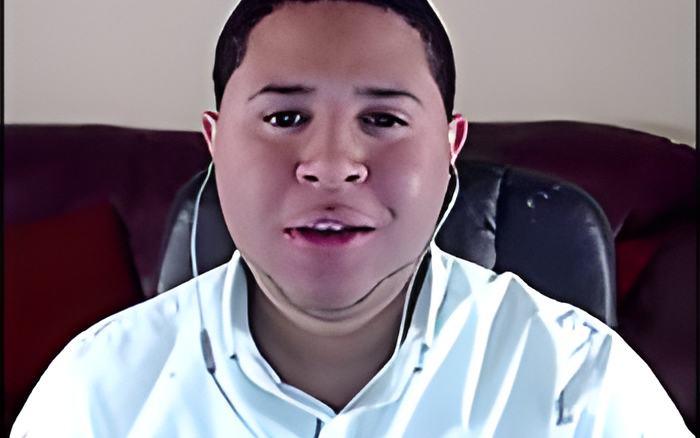
For that, we sat down with ISCR's April Martinez as well as educators and pioneers of Belizean Studies Yasser Musa and Delmer Tzib. Here's what they told me about what the curriculum has managed to do and where they expect it to go from here.
It's been 5 years since the Belizean studies curriculum has been implemented in Belize's schools.
Delmer Tzib is one of the pioneers to first teach the curriculum:
Delmer Tzib, Educator

"From what I can comment on really Belizean studies is trying to incorporate different perspectives on Belize and trying to make students understand that they live in a very diverse society and that there are many issues that plague our country today and that they are socially responsible to come up with changes, to come up with solutions to the many problems that we have today and that we will face in the near future."
"So, for example climate change is one of the issues that is discussed, we also have issues of development which are actually discussed quite openly, in your TV shows, in the political debates, in the house of representatives really those discussions are speaking about development and how we as a Belizean society must be cognizant that these developments must be done with an awareness that they also have consequences for our environment and for our people."
"The public at large can support these efforts by being open to discussions about what is happening in the classroom, I think parents, and other stake holders must also be aware of what is happening in the classrooms, engage with whatever is happening in the classroom and also if you can contribute in any way and I know a lot of parents that have jobs for example at the museum and so on, they could also be tools to contribute. I think specifically as it relates to the discussions of history, there is a lot to be done, there is a lot to be written. There isn't a lot of information from the perspective of Belizean, that has been written over the years, and even if it is written some of the academic discourse is very high and it's not appropriate to the level of high school students or primary school students so if you ca contribute in any of those areas it is important because it is the future of Belize that is in our hand."
Yasser Musa, Educator, St. John's College
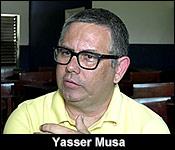
"I have to say that here at SJC we were embraced, our headmaster at the time Yolanda Gongora was very open and supportive of our work, uh, we had a visit, she invited Evan X Hyde from Amandala to come to the campus and discussed it because he had in his newspaper, advocated and called for, for many decades, since 1969 the birth of Amandala, called for the teaching of Indigenous and African history in our curriculum, so I thought that was a special moment. I have to say that in terms of resistance, I would want to say that even to this day there is still not a full embrace of the idea. At the national level it will be a constant advocacy that needs to continue because every year, you can't expect if voice isn't given to these ideas, you can't expect these ideas to just have a path onto itself, there has been a long history before that has objected and cancelled out this teaching."
And while Mr Musa understands those challenges there are other schools of though that say the Belizean Studies Curriculum doesn't go far enough and even claim that the Curriculum's goal of aiding in the process of decolonization is impossible to do from within the church and state system that still run many of Belize's schools.
Still, we asked Musa, what in his view has been the impact of the information imparted to students through this curriculum?
Yasser Musa, Educator, St. John's College
"I would say that it depends on their sense of identity, it deepens thier sense of who they are. It is an empowering feeling to see young people learn about who they are and who thier ancestors were and what their ancestors contributed to thier current place but I'd want to go further than that. There is a big push which I support full right now called the competency based learning experience and that ivolves things like collaboration so when we teach history, it isn't just the content which I was talking about earlier but it's how do you do it, you do it through collaborative experience where they learn together, it isn't individualized learning. It is through digital literacy you will develop a website, you will allow them to make videos and slideshows and things of a digital nature that they are familiar with and things like emotional intelligence to bring into thier critical thinking all of those things combined would bring out what is called competency rather than just saying these are the dates you need to learn, these are the ideas you need to regurgitate to me. We never took that approach, we never, and that historically, history classes were made very boring in that way, so combined with the content we used this competency based formula."
It's competency that the curriculum has designed to build from the ground up in a way that doesn't just spring history lessons on unsuspecting college freshmen, because history would have been a core subject and a fundamental building block of their identity all throughout their education.
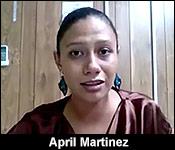
April Martinez, Former Educator
"I would hope that the first generation that comes to tertiary education and sits in a Belizean history classroom engages, like really and truly engages and appreciates that level of understanding of Belizean history and Belizean studies because that's something that we lack the basic flow of Maya history into independence or Guatemala Belize territorial claim dispute, I don't think 16 weeks at a tertiary level institution is enough to encompass all of that and so I would hope that when this student does come and sits in a classroom they could already, they can answer questions, they are engaged in the information, they know, and they can actively participate in what else they don't understand and you know they ask these questions that are relatable to them as Belizean because that is lacking. When you ask a student what they understand about the labor union movement, when we ask about things like Antonio Soberanis, when we ask about how logwood and Mahogany became the foundations of our economic society, those are things that we take for granted in this day and age and they are the foundations of what makes Belize Belize. So, it would be great if they would come into the classroom and they would actively understand and feel proud as Belizeans."
And moving forward these educators say that the Belizean studies curriculum and the way students interact with it is under new technological threats, ones that will have to be tackled by teams of professionals fighting against misinformation with facts.
Yasser Musa, Educator, St. John's College
"I will give you an example the 1919, what we call revolution or riots in Belize town at the time that saw 200 plus ex-servicemen along with almost three thousand citizens of Belize town, which was only a town of 15,000 at the time, rise up in rebellion against the oppressive British regime of how they were treating the soldiers. If you put, which I have done, that narrative into Chat GPT it will give you some information but it is very lacking and it makes up a lot of false information about it. The little that I know, I could tell immediately that is not factual so I think that going forward one of the biggest challenges we face and it is something we should embrace is how to continue to develop content by those who are invested in this important information. You don't you can't expect that the content will just come, somebody is going to drop the content for us from the sky, we have to develop the content, along with the content there will have to be training of teachers of the new generation of teachers, and along with the new generation will come the, to me the heightened participation of technology and other things that we would like to see in the classroom of the future."