
body,td,th { font-family: Arial; font-style: normal; font-weight: normal; }
And changing pace completely now....we go to yesterday in Belmopan where World Statistics Day was observed.
In order to formulate policies, track trends and determine the outcomes and impacts of certain decisions, organizations and institutions are required to collect and collate data within their respective fields. From calculating the damage left behind by a hurricane to finding the 4 most common diseases in Belize, numbers play a key role in predicting our futures and how we manage problems before they get bigger.
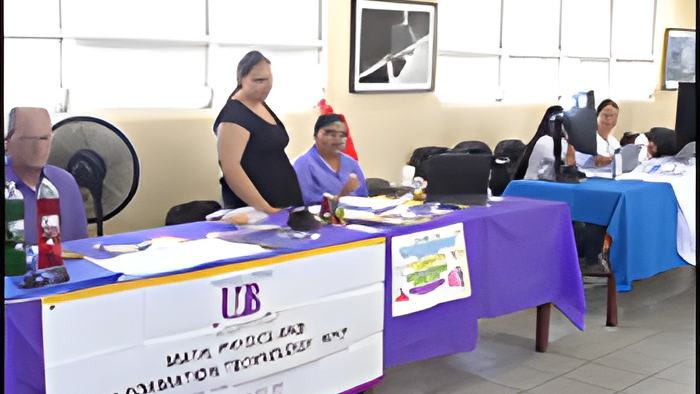
To highlight the importance of statistics and illustrate how numbers often dictate the direction of our lives and inform policy decisions, the Statistical institute of Belize held a mini informative expo yesterday in Belmopan and invited a number of ministries and departments to showcase their use of statistics:
Javier Romero, SIB, Communications, Marketing Officer
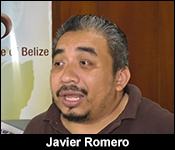
"So today is the caribbean statistics day exhibition, this is a yearly event what we are doing here today is we are highlighting along with the different government agencies and organizations that produce statistics, the advancements in statistics and the work they have been doing in their field to emphasize the importance of statistics and decision making."
"So as previously mentioned what these booths, and what we are doing here is we are highlighting the different government agencies do in the field of statistics and how useful this information is in practical terms and how the public, researchers and other government agencies can use this information to make better and more well informed decisions."
"Today we have 8 booths but there are several other government agencies that also produce statistics but weren't able to be here today."
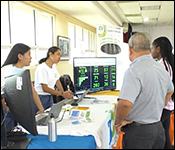
Have you ever wondered how NEMO keeps track of their data after a hurricane? Their GIS officer told us that they have digitized their data collection method in an attempt to determine the precise location where severe damage has occurred after a natural disaster.
Leuwin Tzib, NEMO, GIS Officer

"We were invited to give a presentation on the use of statistics so apart from the use of statistics, we use statistics to prepare for hurricanes in the case of population density and so on and after an emergency we quantify the damages and whats loss, how do we recover whats loss and so on."
"Last year we had hurricane Lisa as you know so a part of what we wanted to do was try to get the damages that we received, so we sent out a short survey so the public themselves can input. So if your house can damaged you can open up the forum and it will take your geo location it will tag your location as you open it up, you can put a description that your roof was blown away or whatever, you can add photo credits take an image and upload and then we can see where damages occurred, and if we have enough data we can see hotspots and that way we can send help. But we didn't receive as much data so we just want the public to know and be on the lookout for the survey so you can send us info on your damages, so as soon as you submit we will receive them."
It's safe to say that the Ministry of Health deals with the most numbers and trends monitoring the country's health system. From Covid cases to, new born babies and chronic illnesses, their Biostatisticians crunch these numbers daily and would be able to tell you how many people, which district and what are the age ranges for populations suffering from flu, diabetes and so much more.
Edgar Nah, MOHW, Biostatistician
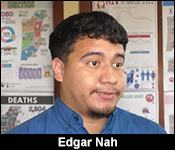
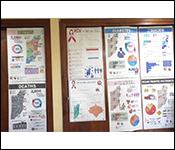
"The epidemiology units we compile health data from all around the country using the BHIS system and this was a good opportunity to present the data we have compiled"
"Which we don't often have a chance to present to the public."
"The Belize Health information system is in real time, in essence so the data is generated relatively quickly but we still have to go through the data and clean it to make sure it's accurate and not over reported or under reported. And that data helps us form policies, make decisions and see what diseases are affecting the population, so for example three of the top four leading causes of death were chronic disease and chronic diseases is something that can be prevented by living a healthy lifestyle so just seeing these numbers being put together in an easy to digest format such as an infographic that helps the general public see what improvements they may make in their own lives."
World Statistics Day is celebrated globally on October 10th