And while the sudden, engaged militance of the San Pedro business community might be a surprise to some, if you were around in October when that same community rose up against and helped reverse the cabinet decision to sell Bacalar Chico – you would know that San Pedro may be laid back – but when it comes to minding its business, it’s definitely not on cruise control.
And the story is much the same for the conservation community. They’ve risen up in the past few months and are rearing to rumble again. This time the issue is another World Heritage site – which is under attack from developers.
It’s the Pelican Caye Range in the South Water Caye Reserve. With images from the Healthy Reefs Initiative, we put this story together.
Jules Vasquez, Reporting
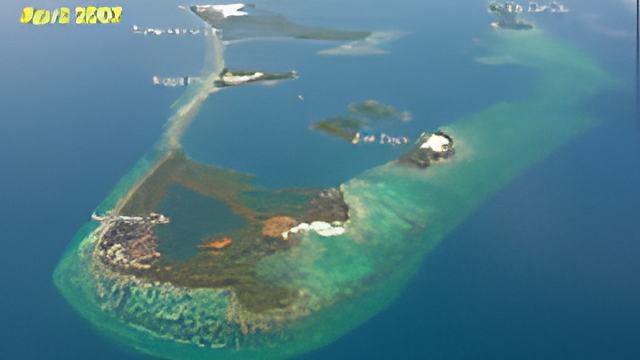
This is the Pelican Caye archipelago, a cluster of mangrove islands 20 miles southeast of Dangriga that form part of the Southwater Caye Marine Reserve. It’s a world heritage site, one of 7 that make up the Belize Barrier Reef system.
And apart from these cerulean blue lagoon like ponds fringed by coral reefs, what makes these mangrove islands so special? Well simply put, these do.
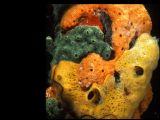
Brilliantly colored, lushly layered organisms that grow on the mangrove roots – including 70 species of these purple organisms, called Ascidians. Overall it’s an elaborate network of coral and mangrove interdependence that has spawned a mesmerizing diversity of life.
Melanie McField, Marine Scientist
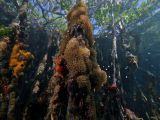
“It has over the millennia developed this really unique ecosystem. You don’t find mangrove roots in other places that are just colored and

covered with diversity. Orange, yellow, green, sponges, tunicates of every shape, size and colour, it’s amazing the amount of life that’s on these roots.”
Smithsonian Institute researchers have been studying the cayes’ unique and singular plant life for years, but now, that’s all been put in jeopardy, because of this: dredging for development.
It’s flattened the mangrove areas, a total of 29% of it. And go below the surface this treasured world heritage site looks like some post industrial wasteland, the seabed is blanketed in silt, and fish navigate turbid waters.
Melanie McField, Marine Scientist
“And over the past year there has just been an escalating, ongoing amount of mangrove clearance, dredging and filling of these cayes and the mangroves in this area are amazingly unique in the entire Caribbean”
And that must be how the undersea life feel, as they navigate fields of rubble, the product of heavy dredging that’s been going on for about a year. And not even the coral formations have been saved. These ones were right along the dredge line, and one toppled off unto the sea bed. While this coral, smothered as it is, is half- dead.
And the mangroves look like some kind of undersea graveyard, and those that are still standing are also covered in silt. And while most of the mangrove carry no life, in other areas, you can still see schools of fish darting around.
But only form above do you get a sense of scale. These pictures were taken in April of 2006 you can already see areas being cleared, but by April of 2007 you can see right in those white swatches were it’s been filled with dredged matter. And where do they get the fill? It’s dredged form here areas called patch reefs which send clouds of sediment tumbling into the sea below leaving the water looking like this.
It may look unsightly, but developers say it’s all for a higher cause, this higher cause, a resort called Treasure Cove Belize which is set for Manatee Caye. This is how it looks right now, but the developers have high hopes
Jules Vasquez, 7News
“And it’s not everytime that a resort is built that it’s the end of the world.”
Melanie McField, Marine Scientist
“No nature’s resilient and it may even come back from these things, but it’s the point that it’s certain areas that you’ve set aside.”
But from the looks of things, those certain areas are now reserved for big money developers, and it’s left conservationists with a firm sense of apprehension
Melanie McField, Marine Scientist
“We’ve got chaos, really on the sea. The point is now to fix it. Something’s broken in our system and it needs to be fixed.”
_There is much at stake including Belize’s reputation as a pro-conservation state. And it’s left to be seen if government shares that view and has the will to fix it.
So what’s the government’s response? Well, the senior manager in the Ministry of Natural Resources says he doesn’t know who owns the cayes!
CEO Alan Usher says he has seen the pictures but knows nothing about it: that is, he does not know who holds title, lease or any kind of tenure on the cayes or how they got mining permits from the Department of Geology.
He says he has passed on the query to the Commissioner of Lands and Survey.
He went on record to say that his Minister Florencio Marin Sr. would not give lease or tenure to any protected area or World Heritage site.