
Remember when a tank of butane cost $50? Well now it is more than double that – more than a hundred dollars for a one hundred pound cylinder of butane. Since the price hit a hundred dollars it hasn’t looked back which is why there is one man looking forward to a low-cost – environmental friendly alternative to butane. He is Dr. Ludwig Palacio – a practicing veterinarian who is pioneering the use of biogas in Belize. He is using animal manure to fuel his stove. Keith Swift found out how he does it.
Keith Swift Reporting,
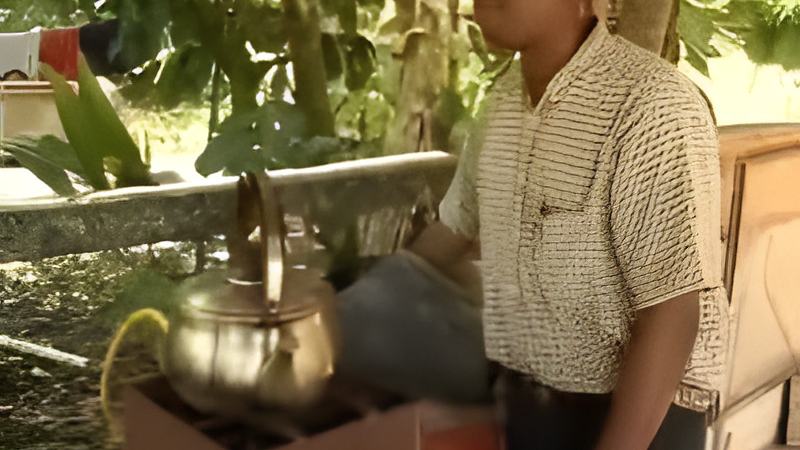
The smell and sight of a pigsty – most people are repelled by it. But what if we told you that the waste from a pigsty – just like this one - can be used in your kitchen as a no-cost alternative to butane? In fact we’ll show you - because this stove built by Dr. Ludwig Palacio is fuelled by gas – which came from this drum filled with pig manure. It is called biogas.
Dr. Ludwig Palacio, Built Bio Gas Stove
“I’ve been using pig manure as the motor if you will to generate the methane which is what you saw in the flame that was burning so beautifully. So it is a safe way of getting rid as well of your waste material. You can also add stuff that you normally throw away from your kitchen, excess food, leaves etc.”
Dr. Palacio places all the waste inside this drum which is where the manure ferments into methane.
Dr. Ludwig Palacio,
“On this side was where I put in the stool or the feces or the pig manure. I used a ratio of approximately one to one. Now remember it has to be mixed very carefully because if you put in the stool whole then the bacteria that will give you the methane will not be liberated. It is basically small micro-organisms working for you to get this gas. So after it is mixed properly and thoroughly, almost like you blend something really, you put it through here with a funnel and you fill it up to about 6 inches from the top.
This spot over here will be where you will have the first amount of chemical breakdown of the material and the liberation of anaerobic bacteria that will subsequently give you the methane. When that happens this begins to swell so if you never had this tube – it would literally explode the drum and I’ve exploded drums in the past. I can tell you about that. It explodes beautifully, like really broken up into small parts and pieces.
This hose you see here connects to this tube and this tube becomes the collecting area for the gas.”
And from the tube, the methane goes to Palacio’s stove in the same tube and using the same connection as would butane. It looks and cooks the same and Palacio’s wife Curletta would know the difference if it didn’t.
Keith Swift,
Do you actually cook using this?
Dr. Ludwig Palacio,
“Yes we have used this in the past because this is over a year old. I can move this drum right now and you can see that with one hand I can shake it up. When it was first filled up there was no way I could have done that. So this has basically surpassed its time, if you will.”
Keith Swift,
Does methane burn differently than butane?
Dr. Ludwig Palacio,
“Well as you can see the flame was very blue and beautiful so its clean combustion.”
And as distasteful as cooking with gas from pig manure sounds, Dr. Palacio says it works. This is just a prototype – but with butane prices spiraling out of control – he says methane can be the new butane.
Dr. Ludwig Palacio,
“I think that people who are environmentally conscious and people who just simply want to show that there are alternatives, that innovation is good. They can have this as a complement to what they have or they could go larger at a much larger scale and have it as the primary source of fire and energy.
I think if we have a new mindset, we will learn to interact better with our environment, better with own society, better with ourselves to make life a bit better for everybody else.”
And a bit cheaper. Reporting for 7NEWS, Keith Swift.
Again Palacio’s model is just a prototype. There is only one other person using Palacio’s bio gas stove. He hopes that with promotion – he might secure funding to expand. And if you are wondering where gets the manure to keep the stove burning, he has found eager farmers looking to get rid of manure. Stay tuned later this week for part 2 of the story on alternative energy sources when we’ll show you how to make your vehicle run on vegetable oil that’s already been used.