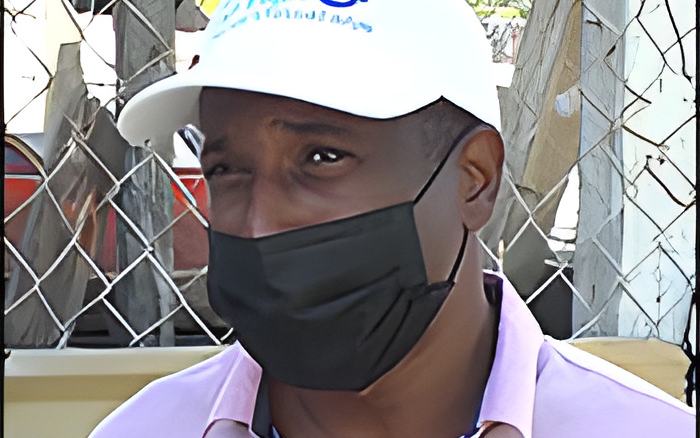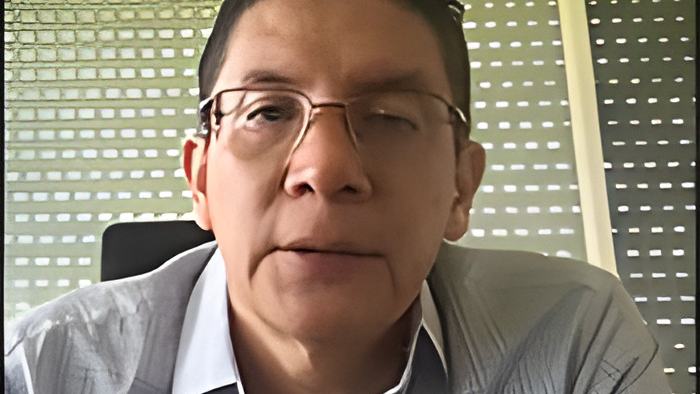
As you heard, a Debt for Climate swap has a lot of moving parts, and quite a bit of fine print attached to it. And, that's why Chris Coye, the Minister of State in the Ministry of Finance, had extended words of caution, should Belize decide to enter such an agreement.
Here's what he had to say about his concerns that the debt relief being pursued might not have enough of an impact:
Hon. Chris Coye - Minister of State, Ministry of Finance
"Climate finance, including Debt for Nature Swaps, offers a ray of hope at first glance. The Opportunity to breathe seems achievable. At the same time, in my limited experience on these matters, I would like to raise a few points of concern that we, as a government and as partners in development, must be mindful of and adequately address in any climate financing discussions, including debt for climate negotiations. No matter who may be our counter party, we must fully inform and educate ourselves before we make any decisions that will not only meaningfully impact us in the present, but for our long-term future."
"Often, the key objective of debt for nature swaps is the protection of large terrestrial or marine biodiversity zones. In change for converting part of our debt payment from foreign currency to local currency, we commit to restrict or remove sectors of our natural resources from our development plans. The tendency, thus far, is to focus on the acquisition and management costs for these areas to be protected with minimal consideration given to the cost associated with the human development opportunities that we forego by putting these resources under protected status. That is a critical cost factor that we not only need to quantify, but if we proceed with a swap, we need to have developed and funded alternative plans for."
"If we are going to lock resources away, then we must have a plan, including a financial plan for how we will make up for those resources losses. We must invest, build and strengthen the resilience of our human resources. Will the swap enable the funding of those resources losses, for example, through supplementary grant funding? If not, is the swap worth the costs? So, while we are grateful to our partners for their efforts to assist us to confront the increasing challenges ahead, I want us to strengthen our position by fully informing ourselves and all the relevant factors, costs, and implications. We must go through these processes with our eyes wide open, and not be led blindly down a path, that if not properly handled, could have more costs than benefits for Belize and its people. Ultimately, Belize doesn't need debt for climate swap. Belize needs debt relief, climate resiliency, and most importantly, sustainable human development. To that end, Belize needs the flexibility to be able to do more with the trust funds generated from the swap, than simply finance traditional conservation efforts. We must be able to the funds more broadly, and more focused on building our human capacity, competency, and ensuring sustainable human development, so that we may be truly resilient."