Back in November of 2020, Prime Minister John Briceno became Belize's first head of government to appoint a Minister of the Blue Economy. It's a novel concept that was born out of the Rio+20 Initiative. That's where Small Island Developing States were looking at the sustainable development goals at that time. They all agreed that majority of their economic activity depends on their marine resources. The blue economy idea has since become a global movement to bring focus, organization, and structure to all the resources under that umbrella, for better and more responsible management.
The concept continues to evolve at this time, and that's why Belize's Ministry of the Blue Economy has come up with a document called the Blue Economy Development Policy, Strategy and Implementation Plan.
It is a 5-year policy document that is intended to establish guiding principles for the way that the Ministry of Blue Economy will responsibly guide the development within the country's blue spaces. Those blue spaces include coastal zones, mangroves, seagrass, and the country's sprawling sea spaces all the way out to the exclusive economic zone.
Today, several stakeholders participated in what the Ministry called a validation session for that policy and strategy document, which was held at the Biltmore Plaza Hotel. Our news team stopped by, and we got a chance to speak with key individuals about what exactly is being proposed for the country's marine environment:
Maxine Monsanto - Director, Blue Economy, Ministry of Blue Economy
"This validation workshop is the last step in the development of the Belize blue economy development policy, strategy and implementation plan 2022-2027. It's the first of it's kind for Belize, it's a 5 year policy document that is indeed to set out an overarching guiding principle and road map for how we as a ministry and we as a country move forward in the development of our blue space, promoting economic growth."
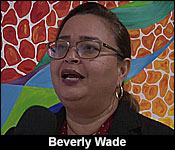
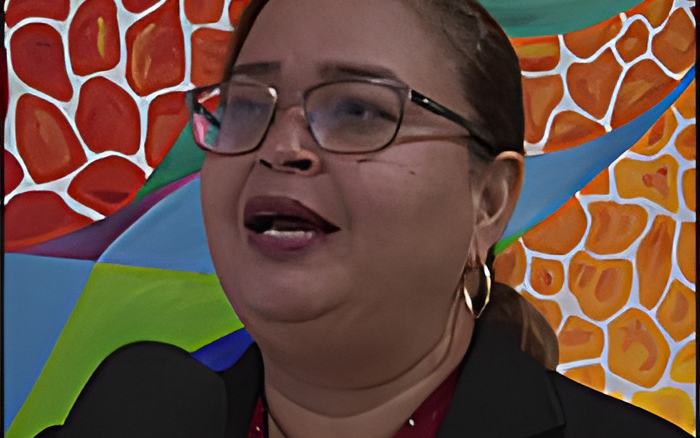
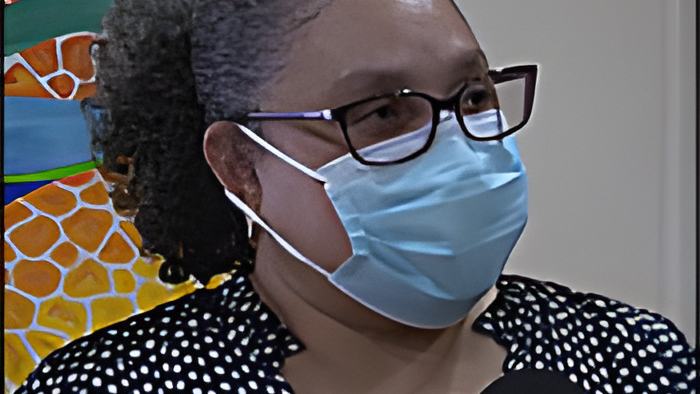
Beverly Wade - Director, Blue Bond & Project Finance Permanence Unit
"Recent estimates, we're saying that 60% of Belizeans economies comes from the blue economy, that is huge and what it means is that this is a sector that the government has identified as an important sector for us to now to bring some strategic structuring and directing to because we realize what the potentials are and we realize what it's already contributing to us nationally and what we want to do is ensure that we approach it in a plan and structured way that it continue to benefit us nationally and our people. What the policy and strategy seeks to do at the end of the day is to create a framework which facilitates an economic development pathway but at the same time it is properly integrating into that path way, the social and the environmental safe guards that are required to have a successful ocean based economy. Blue economy is really very much contingent on the integrity of our blue resources which are our ecological resources, so a big part of this strategy is not only to create the enabling environment to intensify investment in the blue space but what the policy and strategy is doing is to now say what kind of development would we want in this blue space which speaks to long term sustainability and it is also saying we want to do it in a planned approach to ensure that we are also taking care of the very resources that this economy is expected to be build on and so naturally, the management, the conservation aspects of operating in such a special realm has to be taken into consideration."
The authorities tell us that as part of the Blue Economy Development Policy, Strategy and Implementation Plan, the country's marine environment will be mapped out in what is known as a marine spatial plan. As viewers are aware, that same proposed mapping forms part of the commitments that Belize made when the Briceno Government signed on the Blue Bonds For Ocean Conservation. We got change to speak with conservationist Valdemar Andrade of the Turneffe Atoll Sustainability Association. Here's what he had to say about the importance of this mapping of the country's marine environment:
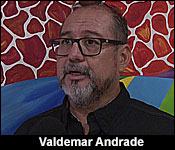
Valdemar Andrade - Executive Director, Turneffe Atoll Sustainability Association
"One of the key opportunities that came out of this is a marine spacial plan, a plan for the entire blue space that will say what do we do in the different areas, how are we going to develop, which areas are not going to be developed. Which areas are subject to new growth industries, there's a lot of new technology that is being used, how are we doing to incorporate all of this within a marine spacial plan, so that all will come under the ministry of blue economy as well and how that does feed in for example, coastal zone management and how do they do their technical work on all of this and what do we have to do from our area in the marine protected areas to supply the data so that can be analyzed to ensure okay, how are we going to manage the fisheries, how we going to manage tourism moving forward as we move along. While we're trying to drive the economy, it is important that within the legal framework, within the policy framework and within the strategy plan that we are ensuring that we are doing this within a sustainable manner because at the end of the day, we want to ensure whatever we are incentivizing for investors to come in and invest, it's going to be able to continue to support that economic activity but also ensure that its not damaging the very environment that we are incentivizing to able to support. So, we have to do the feasibility assessment."