
For the past 13 days, we've been showing you residents all over the Belize District who were devastated by Hurricane Lisa.
But while land assets took a pounding, what about those who earn a leaving on the sea?
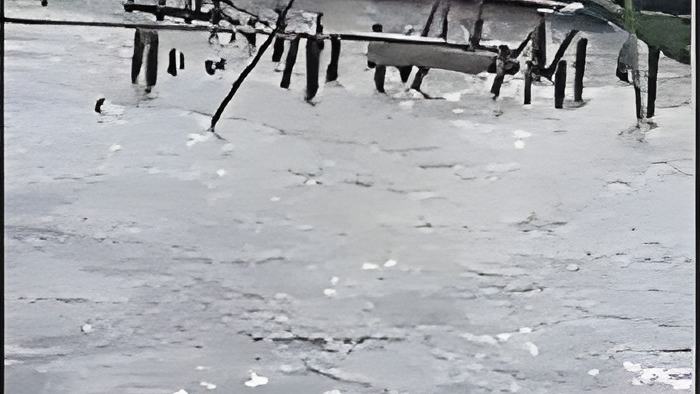
Tonight, the fisherfolk of the Belize District are asking GOB to provide them with relief in the form of replacement of their fishing gear which was swept away when the storm surge hit their fishing camps on the islands off the coast of the Belize District.
Their fishing camps were washed away, which is bad enough, but without their fishing gear, they can't resume fishing.
This afternoon, we spoke with the executive director of the Belize Fishermen Cooperative Association, and he discussed his initial survey of the impact of the storm on his organization's membership:
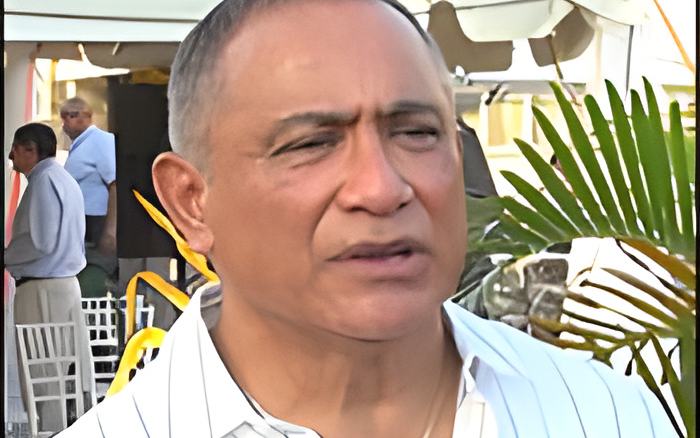
Sydney Fuller, Executive Director, BFCA

"Some of the fishers in the near vicinity Belize City, Mr. Meighan and others and they lost their traps - their camps were completely washed away by Hurricane Lisa. So they took a licking from Hurricane Lisa. As the ED for the BFCA which is the umbrella of the fishing industry, they came to me and thats what I did the survey and I ask them to come forward to make it clear that the nation can see what its all about."
Reporter
"In your opinion what would adequate relief look like, because there is a lot of need and the government has to find some way to balance everything."
Sydney Fuller, Executive Director, BFCA
"At this point it would be difficult, because the salt water out there is still murky, they won't be able to find their traps and they have not found al their traps yet and to say put a dollar value, it will take us at least another month or so before we can arrive at a figure."
We also got an opportunity to speak with one of those fishermen who lost everything when the Hurricane hit the Belize District. He said that fisherfolk have had to recover from previous storms in the past without the help of government aid.
Here's how he explained that Hurricane Lisa's impact is different:
Norris Meighan, Senior Fisherman

"Our fishing camp everything is gone. The traps and everything, the damage is totalled. We have to try and scrape back. The thing is our industry is in peril, because what will be the production for the season if the fishers are not assisted to try to get back their fishing capacity."
Reporter
"So, you're expecting your products like lobster and shrimp - those numbers will be down?"
Norris Meighan, Senior Fisherman
"The lobster will be down and the conch - everything will be down, because the fisherman will not be able to produce. If you cannot have adequate finance. Right now the finance to go to sea and you have to finance fuel and food and then you don't have your traps. Then you will be working on a basis of no sustenance."
Reporter
"Tell us about the price in terms of material and labor to create one of those traps and to get it out to the area where you guys are trying to fish?"
Norris Meighan, Senior Fisherman
"One is running for $400-$600 after complete, that set and you're not talking about going and taking the lobster out yet. We still cannot give an accurate assessment. We still have flood waters, we can't locate a lot of our equipment. So we are still going through the process of what you call non-production. So we are living on the skin right. We have to depend on what we ca hustle and do around. This is becoming urgent. My fishers went to sea last Friday, they back with 3 pounds of lobster. They would usually come back with 30-60 pounds of lobster on a day like that. And to go to 3 pounds then that ring the alarm bell. Our production is cut. Consecutive years we have been going through these storms and the fisher folks have never been given the assistance that they need and we have to really come together now and see what we will do. Previous years you grab and you get up. We are doing the same thing now, we're trying, but it's different. You could see the difference because if the production was still there, we could say we could start to work and build back. But now the production is cut. Why is the production cut? Our equipment is gone and not only that - we're having different temperatures of water, so we have to start consider fishing in deeper waters."
We'll have more from that interview in tomorrow's newscast when you'll hear this career fisherman explain how climate change is a real thing that is having severe negative impacts on his livelihood.