
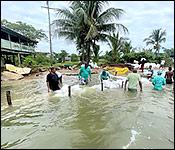
And while the PM attends a world climate meeting, there are two ways to look at the Climate Change crisis that is upon us. Either that it is the most urgent time for dialogue with developed nations who have caused this climate crisis, or that the time for talking is done and it is time for immediate remedial action.
Jules Vasquez has his personal take on this from two recent events:
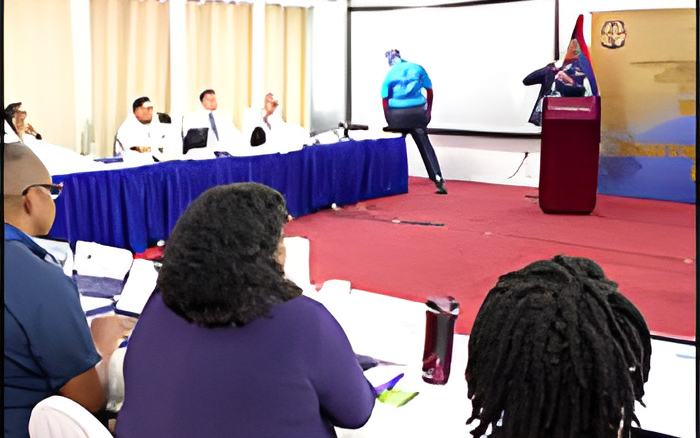
But all that talking, all that gasoline and diesel used to come to this meeting, all the paper printed, lunches served, and that's just in Belize! Imagine at the international COP conferences and all those jets.
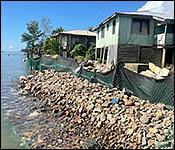
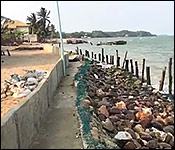
Compare that to what Eworth Garbutt achieved at Monkey River in n 7 months - or Silk Cay win just three months - restoring a disappeared coastline and a disappearing island:
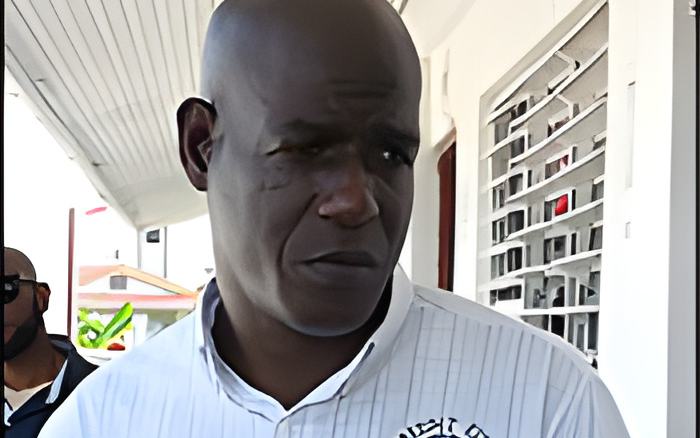
Eworth Garbutt, Community Worker
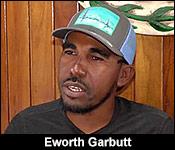
"Jules, I'm very familiar with the coastline and this is not a Punta Negra, Monkey River Silk Caye - it's from up at Xcalak to Sarstoon and global in the world."
So that is the urgency that both sides feel - but while the scientists and the diplomats believe that dialogue and pledges are the only way forward, this community activist believes you have to act now:
Eworth Garbutt, Community Worker
"I wish we had ice age fi GOH BACK FI compare what those guys did, because I am sure they never hold their hands behind their backs and just stay there and take lick."
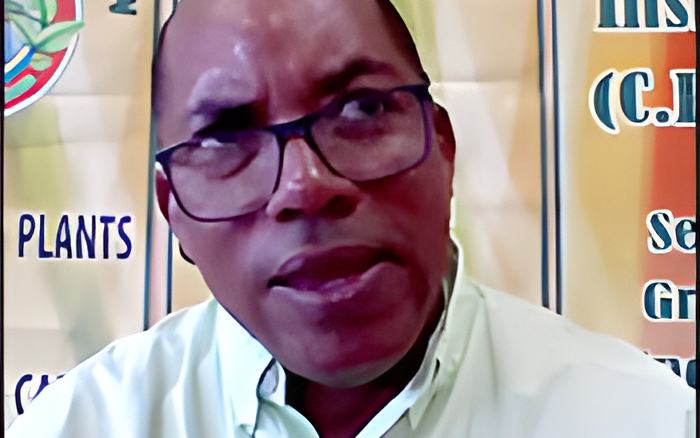
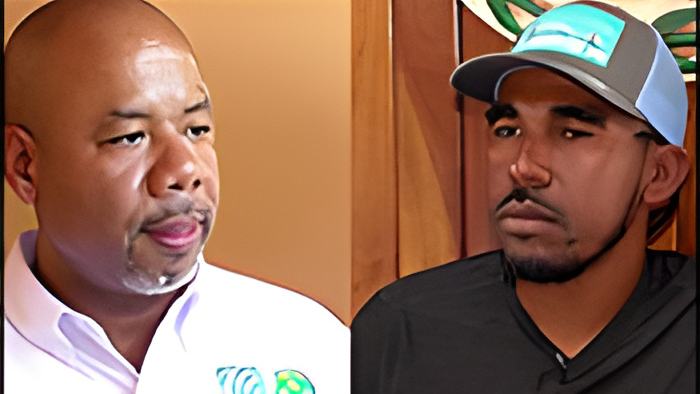
Colin Young, Executive Director, CCCCC
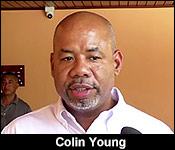
"So we're hoping that we can design a loss and damage fund that would allow countries who suffers significant losses and damages to quickly access finance to help them rebuild in a more climate resilient way."
Eworth Garbutt, Community Worker
"What you're doing is stopping those people from emission and I have said that before. Their job is to prove that Monkey River was in the history book and it's going right, they are proving that. Let nature takes its course and let all of this happen and the money scenes that I want to be really careful of this and hold back myself a little bit is because the international dollars is very important and I don't want it to stop coming in. What I want it stop do is go at the wrong spot."
And while they may differ on priorities, they're both climate warriors and both agree on the same broad objectives - but have different strategies for mitigation. But Garbutt says if they are scientists, then they should at least be experimenting with solutions:
Eworth Garbutt, Community Worker
"I would have liked to see a pilot project; I stay da Leaning Palm just outside of Gales Point - beautiful. It brings me back to Punta Negra. I talk to men there and I saw for myself. I didn't sleep good the night, because I had my skiff and I was with some clients. If my boat lets go it would break up at the side of the coconut tree, because it's a 90-degree bank side, it's not 45 degrees anymore and we know what 90 degrees can do - it would drop everything in the water."
"I would have liked to see was pilot project, Jules showcasing our brilliant university students doing just a small little pilot to see, we will study this current - study it for 20 years now and we will put some rocks in there. Rock not good, we will put something with a fancy name and see how it catches the current when it comes in."
"I would like to see one of these spots have a pilot project. At least I would have go and peep and learn something."
Instead, he created these beaches as his classroom - creating solutions that he says will last a long time. But the science does not support that:
Colin Young, Executive Director, CCCCC
"Mr Garbutt and others it's almost like Sisyphus, you know you are pushing the rock up the hill um and the moment you stop, you know it's going to roll back down the hill."
Eworth Garbutt, Community Worker
"Some of that is very, very true. The stone will roll back, but he is afraid it rolls back on him! I would never wish, he is an intelligent guy and I would never want the stone to roll back, but if it should roll back on anyone, I will have to pull the man out of the way."