
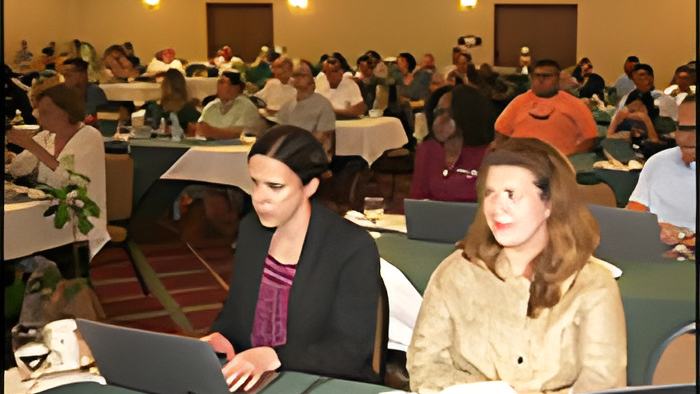
The words carbon credits have been in the news a lot as Belize continues the fight against climate change along with the rest of the world. But most people may not know what carbon credits are, and what they're used for. That's why the Belize Network of NGOs hosted a Carbon Symposium where local and international experts in the field shared information on climate change, carbon markets, carbon programs in Belize, and more. The carbon specialist at The Nature Conservancy told us more.
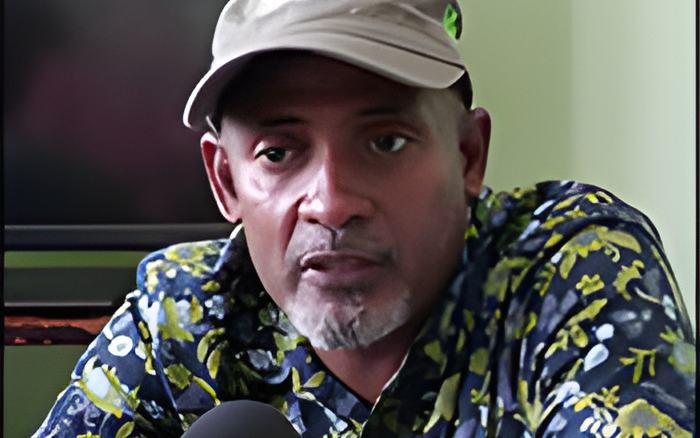
Roberto Pott, Carbon Specialist, The Nature Conservancy
"Um, it's been around and, uh, if you know, the project out at the Rio Bravo Conservation and Management area being managed by program for Belize, executive director at Edilberto Romero has been working on a project that we piloted that started back in 1996. So carbon projects, um, have been around. Um, one of the things that this, uh, symposium is trying to do is to, to get the information out about carbon markets and also shared opportunities that might, um, that have been available to Belize going back to the nineties. Unfortunately, there, there were some times when the market wasn't really attractive. Um, but as we get close to, um, our targets or wanting to meet our targets for 2030, we are realizing that we're not meeting our targets to reduce the temperature change that we are seeing as a result of climate change, and these projects could help to contribute to that while at the same time mobilizing finance for the management of resources that we benefit from here in Belize."
"We think that the blue carbon market is wide open. We'll have some challenges. Um, 80% of our coastal areas are privately owned, just means that we have to work with the private land owners and you have to create incentives, which again, is a challenge. The government has to partner with private land owners and, and the carbon developers to make sure that, um, when you share the benefits, um, all feel like they've walked away, um, without losing."
And the executive director for Program for Belize spoke more about their project, which was a first of its kind, showing how forest conservation could be a weapon against climate change.
Edilberto Romero, Executive Director, Program for Belize
"We are one of the pioneers, not only in Belize but in the world. Our project is one of the seven forest, first seven forest projects in the world that was designed and implemented to demonstrate that forest, uh, conservation can be part of the solution to the climate change project. So it's been a wonderful experience. Um, we've had a lot of success. We've had our, um, challenges as well. But at the end of the day we have protected, uh, 32,000 acres of forest that would have been cleared for, um, agriculture. And it means that all those trees would've been burned and all those carbon from those trees would've been emitted into the atmosphere. So our project has avoided the emission of, uh, four, over 4 million tons of carbon dioxide equivalent, um, of which we have been able to verify and certify 1.6 million tons of co2, we call it now, verified carbon units, it's been verified, and that has helped us, um, establish an endowment fund for the reserve, uh, of which we use the interest for the protection, ensuring that the carbon is maintained in the forest and ensuring long-term sustainability of the Rio Bravo Conservation and Management area."
"Uh, those, uh, carbon assets belong to the financial participants. These are, uh, companies from the US and Canada that own the carbon rights. Uh, we convince them to, um, donate a portion of their carbon assets for us to sell as verified carbon units to establish an endowment fund of, uh, 2.4 million, uh, US dollars. And that endowment fund has grown to 3 million US dollars, um, total. And that's the, the interest that's generated for that is what we use for, uh, protection and management."