
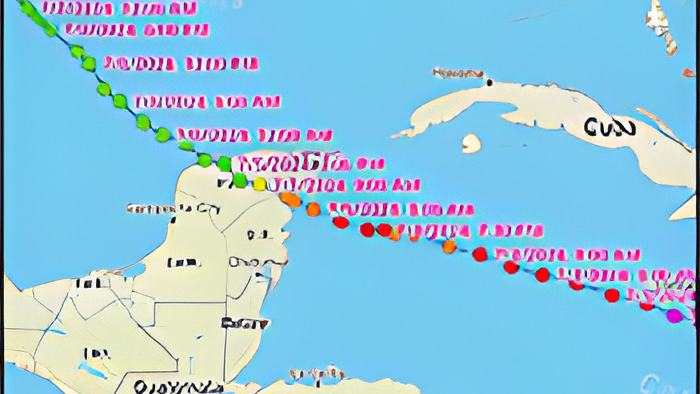
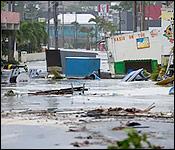
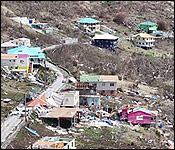
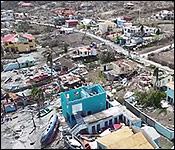
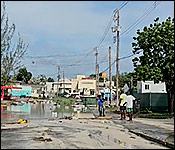
Hurricane Beryl killed 11 people in the Caribbean and at least eight in Texas.
Tonight, the historic June/July storm still has nearly three million people without power in south-east Texas and Louisiana.
Indeed, the loss of life has been enormous and the economic cost will be in the tens - if not hundreds of millions. But is Beryl the storm a creature of climate change?
Many say it is because Category five storms have never happened before in June and July.
To get some perspective on this, we today spoke with Dr Carla Barnett, the CARICOM Secretary-General via zoom to discuss the hurricane's economic impact and climate justice:
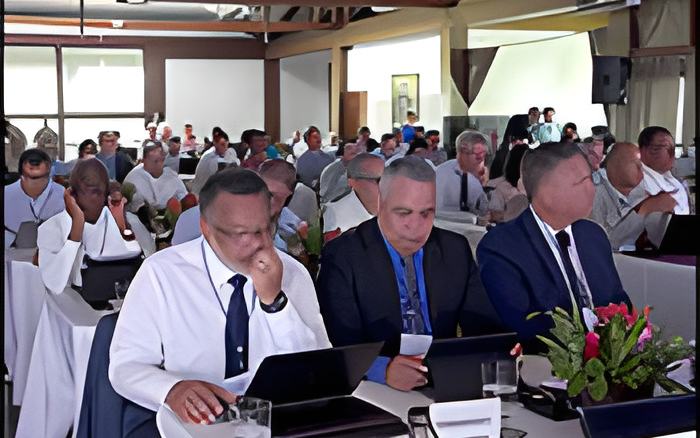
For Belize, Hurricane Beryl whisked past us without a drop of rain, but for islands of the Southern Caribbean, it brought damage and destruction. While recovery efforts are underway, the economic impact on these already fragile island nations is a growing concern. Dr. Carla Barnett, CARICOM Secretary-General, explained what their preliminary assessments have revealed.
Dr Carla Barnett, CARICOM Secretary-General

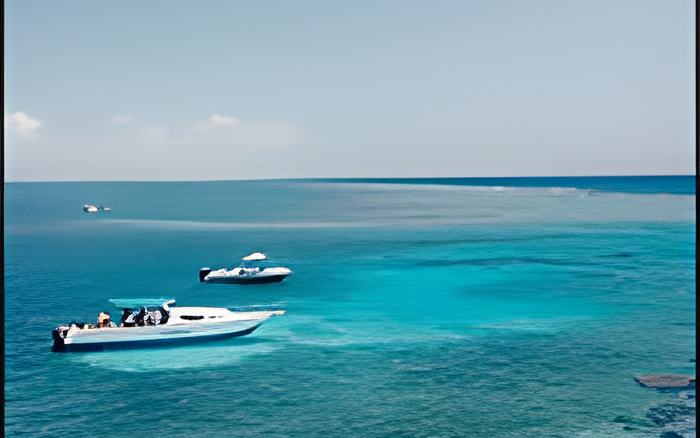
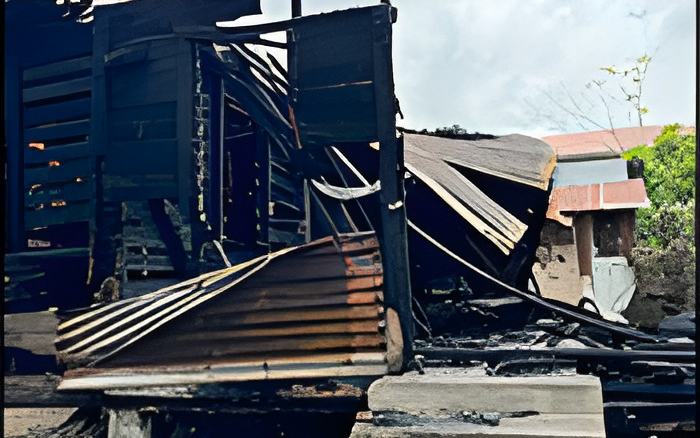
"In St. Vincent and the Grenadines we are talking about significant destruction of homes, infrastructure along the waterfront on various islands Carriacou in particular xx and a couple of others. Grenada we are talking about virtually destruction of all of the housing on two of the islands on Carriacou and on Petite Martinique. We are talking in Barbados about significant destruction of the waterfront and the coastlines.The fishermen, in particular the fisherfolk have lost most of their boats so the ability for them to earn a living needs to be restored. Even in some of the less affected islands like St Lucia significant waterfront damage as well. In Jamaica there appears to be significant damage to infrastructure, roads, building schools, and the losses in agriculture are significant. So it's really been a massive negative impact particularly on these islands. Very early in hurricane season and this is a hurricane season that is projected to be very busy."
For the Caribbean, tourism and the ability to trade is vital for the economy. Dr. Barnett says that because of hurricane destruction there's some restoration work that will need to be done.
Dr Carla Barnett, CARICOM Secretary-General
"The early impact would have been significant on St Vincent because the hurricane came just before their carnival week and so they've had to scale that back a bit. Grenada is coming up on its carnival week in another two weeks or so. The tourism season in the east Caribbean tends to be highest in the winter time so there is time for some building back of all that but the impact needs to be taken into account because there is some restoration work that will need to be done to ensure the tourism season is not affected in any significant way."
"In Barbados the impact on the fisherfolk is significant so the availability of fresh seafood is impacted there. In Jamaica the world we've had we've not had the actual estimates of the losses yet but the agricultural industry has been significantly affected everything from bananas to breadfruit and the food that regular people eat has been significantly destroyed. There is going to be some need for support from other member states. There is going to be a need for importation in the case of Jamaica and other of the countries where that has been the case. Because food security is very important and when the agricultural sector gets impacted in this way then it undermines food security."
Dr. Barnett shared that hurricane Beryl is an example of the disastrous effects of climate change.
Dr Carla Barnett, CARICOM Secretary-General
"We like to say that we are not the cause of climate change and that's the truth because when you look at the emissions of the caribbean region and i'm talking all of the caribbean not only CARICOM, we are less than one percent of global emissions but when you the impact of a storm like this that really strengthen on the basis of the warming of the caribbean sea, the Atlantic Ocean and the Caribbean sea. So quickly so early in the season we know that this is an example of what is coming down the shoot as a result of climate change and there is a fundamental inequity in that because it is not that we don't cause it but because historically we have not been the cause of it."
Barnett shares that basic food and shelter items and water are urgently needed in Jamaica, Grenada, and Saint Vincent and the Grenadines.