
Yesterday we told you about the frightening spike in dengue cases in just one week.
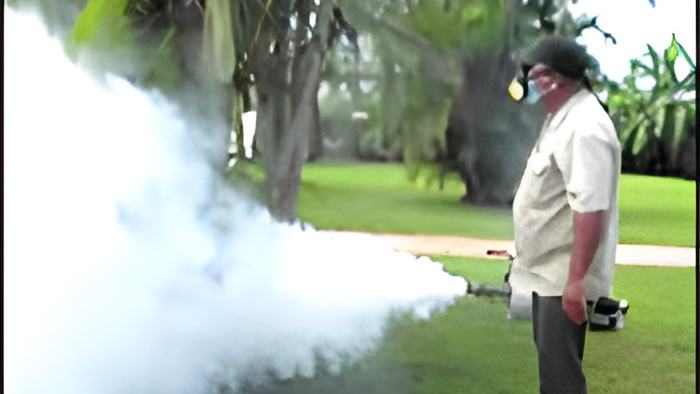
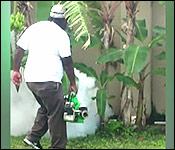
Communities are calling out to be sprayed - but how safe is it, and are there health risks associated with use of the foggers?
Kim Bautista, the Chief of Operations at the Vector Control unit discussed its health implications.
Kim Bautista, Chief of Operations, Vector Control program

"The ministry of health has been along with other countries in the region many of them like us still apply Malathion at 96% technical grade and of course malathion is still an approved public health pesticide. Again with everything there is a certain, I would say health factor that you need to look at in terms of the application of pesticides. So in terms of ensuring that the public is protected we need to ensure that equipment is calibrated and pesticide is being applied at the recommended dosage so that is first and foremost and these are things we do on a routine basis."
"In terms of the health implications that these pesticides have on the population again we go with the data that is presented by the world health organization and as it stands malathion is still approved for public health purposes. Now again you must limit the spraying of these pesticide with in the environment especially in areas where you have a lot of aquatic environment and so places like the islands you have to be careful of the misuse or overuse of pesticide because you have a lot of drift where the wind would blow these droplets into waterways and it may affect aquatic life."
Barnett shares that basic food and shelter items and water are urgently needed in Jamaica, Grenada, and Saint Vincent and the Grenadines.