
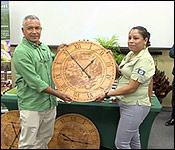
In April of this year we reported on three jaguars that had been struck and killed on Highways within the span of just 2 months. And in an attempt to ensure the protection of these prized cats, the Ministry of Sustainable Development along with its partners have enhanced their monitoring efforts by tracking jaguars and their movements through the wild. How can they protect them if they don't know where they are? The Ministry plans to continue this project within the near future but today a closing ceremony was held for this first phase. Jomarie Lanza was there and here's what she found out:
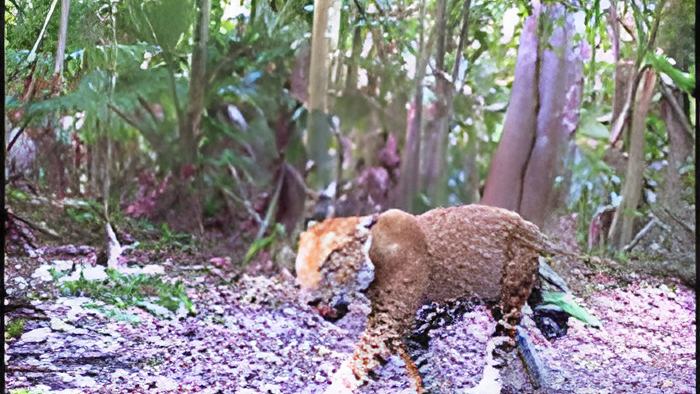
The Jaguar project started off in 2021, with a focus to strengthen the management of jaguar conservation units by reducing emerging threats like illegal hunters, and the encroachment of their habitats. And thanks to partnerships with stakeholders like The Corozal Sustainable Future Initiative and the Ya'axche Conservation Trust, they have managed to successfully monitor the movement of these large cats across 3 key landscapes: The Sibun River Watershed, The North East Forest and the Maya Golden Landscape.
Orlando Habet, Minister of Sustainable Dev
"We were looking at how we can see what interactions there are with the Jaguar and wildlife interactions between jaguars and humans and looking at how we could track the jaguar, from one corridor to the next. And we already know we have the northern, the north eastern, the central, the southern corridors. And see how these animals move within those corridors. Also looking at the equipment that would have to be used to be able to do the actual tracking because, it was important to use the best technology that is available. And we saw the implementation of these modern and very useful, cameras, the use of telemetry which would be able to pick up data sort of from a distance and be able to report it back.So that was a very important and, also to see how there would be this collaboration and partnership amongst the different players. So we had not only the forest department taking the leadership here, but also looking at how we collaborated with and had the partnership with CSF, snd Yaxche conservation trust."
But still the greatest threat to the Jaguar population continues to be humans, specifically the ones on highways. It's common to hear of Jaguars being carelessly knocked down and killed. A step towards preventing recurrences, starts with consulting MIDH to be mindful of the wildlife in the bushes that want to cross these highways safely.
Orlando Habet, Minister of Sustainable Dev
"I think that we have to plan ahead. Certainly when we get these large infrastructure projects, we don't maybe sit down with all the key players to see what will be the events that will affect or have some effect in later stages. When the coastal road is being constructed we have to approach the, the, the contractors to see if those culverts that they were putting were large enough to allow wildlife to move from one, end of the road to the other. And so we got together with some of the conservation agencies, the people from TNC and the other wildlife conservations and MIDH participated because they said, well, listen, we also we understand what's happening and we want to see them cross safely. But the project didn't entail putting in these large culverts or, or additional bridges. So there was some type of arrangement that was made to compromise so that it was as big as we wanted, but not as small as was planned. So I think planning is very, very important.but the movement of wildlife from one end of the road to the other is very important because we have seen what has happened in the South right on the Hummingbird, how jaguars are being killed by many by road traffic accidents."