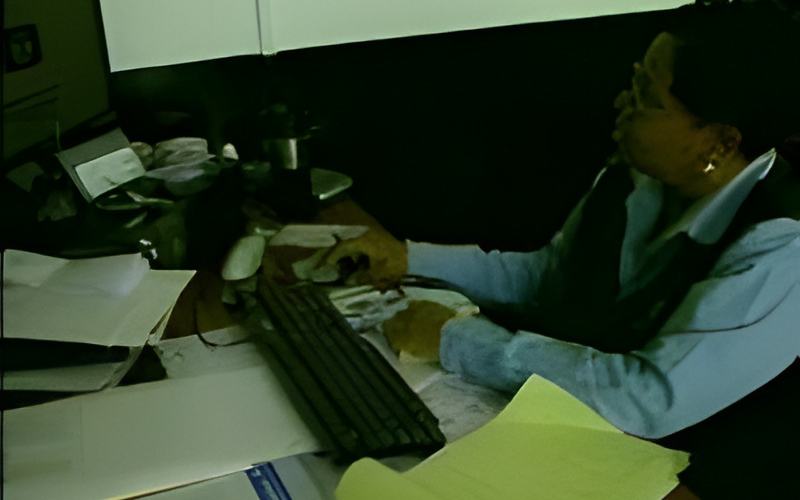
As we told you earlier this week, the National Drug Advisory Control Council, NDACC is getting assistance from a special team sent to Belize by the Caricom secretariat. They’ve been here since Wednesday in an effort to give NDACC assistance in revamping its demand reduction strategies and improving its institutional capacity. Sounds like workshop talk, right? But this one has to work in real time because as any Belizean can tell you drugs are a major problem in communities across the country. Caricom’s program manager for sustainable development Beverly Reynolds gave us a broad outline of the mission when we found her at the NDACC office in a group session with the staff today.
Beverly Reynolds,
“We received an invitation outlining the fact that Belize was undergoing this revision of its council and they had identified some areas in which they wanted the secretariat some assistance.”
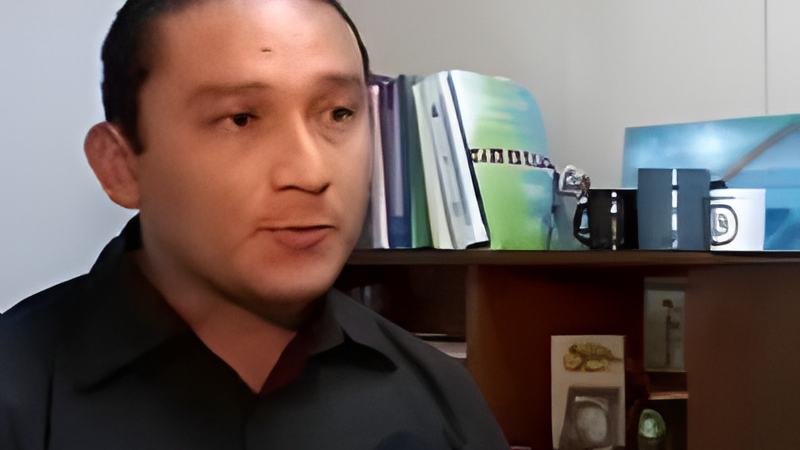
Director Vellos,
“The NDACC is presently going through a whole restructuring program in all areas. In the areas of administration, human resources, and of course in the area of our technical people. What we want to do at NDACC this time around is not to reinvent the wheel but making sure that whatever has been the foundation on which the NDACC has been working on to be strengthened, that we have staff members that are fully trained in the area of drug education and drug reduction. Therefore having Caricom come to the country and give us that expertise in the areas of institutional strengthening and capacity building, we at this end as NDACC can make sure that we come up with the objectives and plans that are required so that we could reach our mandate making sure that we reduce the drug demand in our country.”
“Alcohol is the number one problem in most societies but the societies have been learning to live with alcohol and accept that it is not going any where so now we must know how to manage it and I think that is what we need to do. The drug addict who is the streets because of illicit drugs, many of us take a moralistic view of this person and we tend to look down at this person. What we might want to do is to stop looking down and go down and start preparing services for this person who lives on the street. I believe that if services are provided for these people their human state can improve and we might begin to see them differently.”
Jules Vasquez,
So then the ideal from a social management perspective would be that to humanize their situation and however you did that placing no compulsion on them to stop taking drugs.
“I wish I had said it as nicely as you just said it. I could not say it better. That is exactly what we are talking about, treat them as human beings. Recognize that mood altering substances are going to be with us for life and people are going to be using them so we need to see those persons who are ready to get out of the cycle and provide help for them, they might want to move towards abstinence, they should have that option.”
Gough also said that he feels the message to youths about marijuana needs to be modified so that youths can find them more believable. And while NDACC was in a staff meeting with the Caricom experts today, the whole staff wasn’t there. At least three persons were missing; either not invited or boycotting. And while people do miss work, this is the result of a deeper, more far reaching problem that staffers have been having with Director Vellos. He was recently put into the post but some in the staff have questioned the legitimacy of his appointment or if he was legitimately appointed.
And it’s not just water cooler talk – they’ve asked for the Public Service Union to get involved. That’s because the Ministry of Health which it seems supports Vellos, has sent letters of transferring several members of staff but that is the sole authority of the ministry of the public service who is responsible for all issues pertaining to the appointment, promotion and transfer of public officers. The tension has created tension in the office today and even as the Caricom team visited we noted the absence of two of the city’s core staff. We asked the director about it.
Jules Vasquez,
What the PSU indicates to me is that you are not validly appointed. Do you maintain that you are?
Director Vellos,
“I am validly appointed and that is a question that probably at a ministerial level could be answered. I am not in a position to give any kind of comment regarding that.”
Jules Vasquez,
But you agree that the union is at odds right now with the director, yourself, of NDACC because there is division, disunity in the staff because some people reject your holding this job. Do you accept that?
Director Vellos,
“Well from my point of view, I don’t see any problem.”
Jules Vasquez,
Your full staff isn’t here today Sir.
Director Vellos,
“We are trying to put changes in place and we are trying to make sure that we all work as a team and move forward. I am pretty much sure that changes bring problems but definitely I stand ground to the fact that changes have to come and because we are working with our community and to work with our community means that we need to make sure that all the stakeholders are put in place. So definitely as the Director of NDACC I am willing to work with everyone that wants to work with the changes that are forthcoming.”
Jules Vasquez,
But are you prepared to put your own house in order?
Director Vellos,
“Of course. We need to put the house in order.”
Jules Vasquez,
You feel you’re being undermined by fractiousness within your staff, that is what it looks like from outside, that is the impression I get.
Director Vellos,
“Well we need to wait and see.”
Jules Vasquez,
But you’re the boss you cannot wait.
Director Vellos,
“No we cannot wait but definitely we need to put the house in order but to put the house in order it needs to be done the proper way.”
We’ll continue following this story.