
So, we turn now to the changes that SI 134 actually brings. It does 3 things.
First, it allows restaurants to open up and accommodate 10 patrons to dine-in by reservations only. Restaurant owners cannot have more than 10 customers, and they must have a restaurant license.
Secondly, it allows churches to open up, but they can't have more than 10 worshippers participating in the service.
And finally, it obliges the Director of Health Services to release the names of all COVID-19 positive patients to the Minister of National Security.
This morning, we caught up with the Attorney General on the Belize Coast Guard compound, and we asked him to explain the allowances for restaurants and churches:
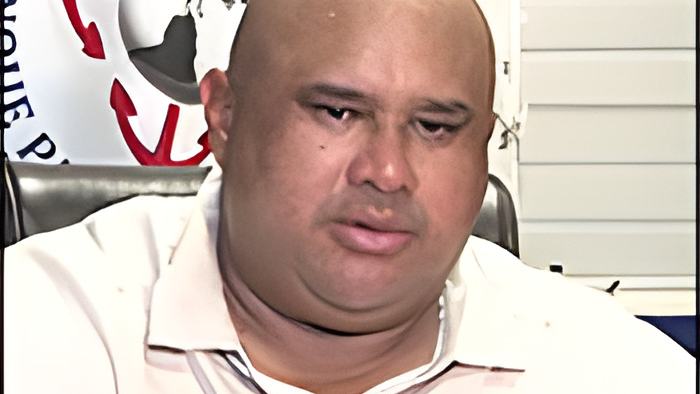
Hon. Michael Peyrefitte - Attorney General
"As you know, churches are not allowed to operate [and] neither are restaurants, whether in-door or out-door restaurants. So, we decided - the Committee along with the Cabinet decided that the time has come for us to do a soft opening of those 2 places, with churches, no more than 10 people in the congregation. Of course, you'll have the pastor and his or her assistants. Restaurants, it's no more than 10 people in the whole restaurant, no matter what the size [is]. Now, if you have a huge restaurant, you still can only have 10 people. If you have a small restaurant that cannot hold 10 people being 6 feet apart or not at the same table, then clearly you can't have 10. But, if you have space, you're allowed up to 10, with the proper social distancing and masks when you're not eating. You must have a restaurant license to operate, and it must be by reservations. We feel like we have reached the point where we can start to open up again and ask people to be responsible and cooperate with us."
We also asked him to explain the rationale behind the new obligation for the Director of Health Services, who now has to release the names of COVID-positive patients to the police:
Hon. Michael Peyrefitte - Attorney General
"The next amendment that seems to be getting some attention is that we find that as the cases increase, the Ministry of Health would, from time to time, put more people in detention, or allow more people to self-isolate at home, or self-quarantine. So, when these people violate the self-isolation orders or their self-quarantine requirements, the police need to be sprung into action almost immediately. So, it's very, very critical that we have that information. So, we've put in the law the need for the DHS to provide to the Minister of National Security all those people who have tested positive or all those people who are self-isolation, or in quarantine, so that we can know and have a ready list available for people that we have to look out for, to make sure that they are not violating the orders given to them by the quarantine authority."
Reporter
"Are there any concerns, or have there been any concerns raised about doctor/patient confidentiality matters?"
Hon. Michael Peyrefitte - Attorney General
"The Oversight Committee and the Cabinet have both said that this is in the interest of dealing with the pandemic. I don't foresee an issue at all. We are in a pandemic. I personally see no shame in somebody having COVID-19. I don't see personally what's the issue. There will be no breach of confidentiality that is not necessary. As it is, if we find out that Daniel Ortiz is COVID-19 [positive], and we have to do contact tracing, we have to then inform other people we're investigating them because you're positive. So, there is no confidentiality in the strictest sense now, as we speak. And I think, on a national issue, on a pandemic issue, it's not personal like some other diseases. This is a pandemic, and I would hope that if I were to be COVID-19 [positive], I would proudly say that I have it, so that my friends and family know that I have it, so that they can take care of themselves, or get themselves checked. So, I personally don't see an issue with it."
Reporter
"There seems to be a stipulation nonetheless that should the DHS not provide that list, then he would, in effect, be committing a crime or an offense."
Hon. Michael Peyrefitte
"Yes."
Reporter
"Can you explain that rationale?"
Hon. Michael Peyrefitte
"We just want to make sure that it is not left to his discretion to provide it. He must provide it."
Later on in the news, we'll have a little bit more from our conversation with Peyrefitte about UDP's readiness for the upcoming general elections.