
There's a big virtual Press Conference tomorrow to announce update on Belize's quarantine measures. And right about now - after 6 weary weeks of an 8:00 pm curfew - many Belizeans are earnestly hoping that the curfew house will be returned to 10:00 pm.
But while we inmates hope for a bit of after-dark yard time, the wardens at the ministry of health say that the curfew is the only measure that's gotten us this far.
The reality is that January saw a sharp decline in active COVID-19 cases and deaths, putting Belize back at the lower end of Caricom and Central American infection numbers.
And while there are four deaths recorded today, bringing the monthly total so far to 50 - which is nothing to cheer about, the numbers show that there were 100 deaths in December.
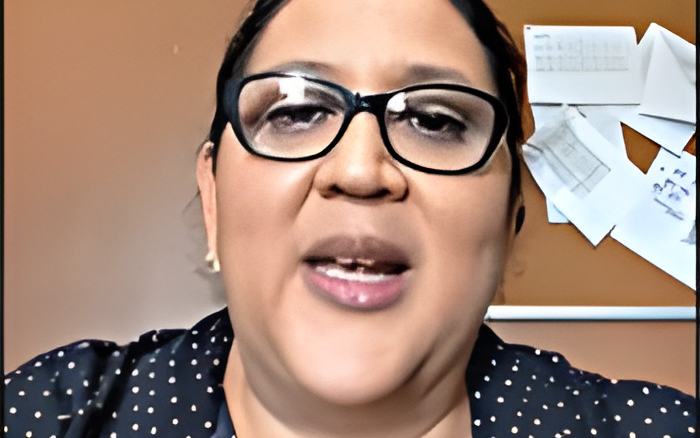
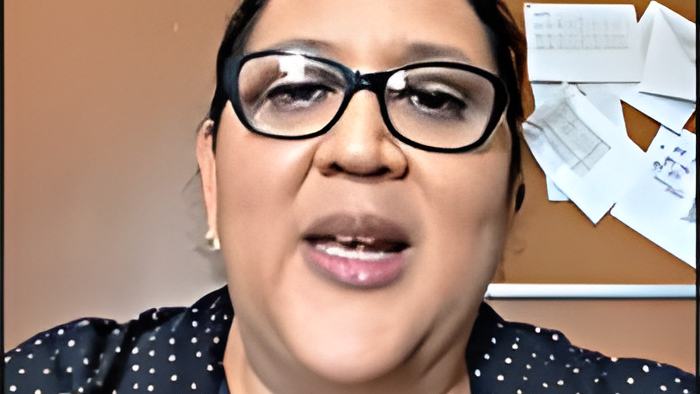
Cherisse Halsall discussed the declining numbers with Acting DHS Dr. Melissa Diaz this afternoon via Zoom. We also asked her opinion on what the curb in the spread, at least for now, should be attributed to:
Dr. Melissa Diaz - Acting Director of Health Services "As the general public know and have been a big part of the assistance given to the ministry of health and wellness for these cases to be down, and public health measures I feel like its multifactorial, we have been doing a lot of the advertisements and communication with the public meeting with groups and trying to ensure that persons understand the importance of public health measures, so the mask-wearing social distancing, ensuring that in your workplaces you're not eating together so there's a lot more monitoring that's happening across the country, in addition to that the measures that were placed in have also helped us significantly and people may be sceptical about curfews but curfews have worked all over the world country have put back curfews or taken off curfews based on the number of active cases that they have. So, the curfew being at a certain time helps to reduce socializing, helps to reduce persons coming together and I think that those things have also been very helpful. Something else that was done that is really helpful for us to reduce the active cases was the widespread -testing, to the roll out of all the mobile test, the rapid test being done in different districts, villages, so when we moved out of the hospital setting or out of the flu clinic setting and went into communities. I think we were very successful to pick up very early positive cases once they have been picked up early, they are able to isolate early and we are able to reduce the spread."